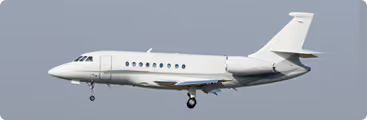
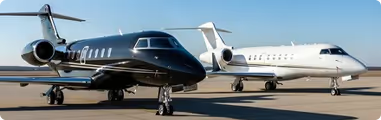
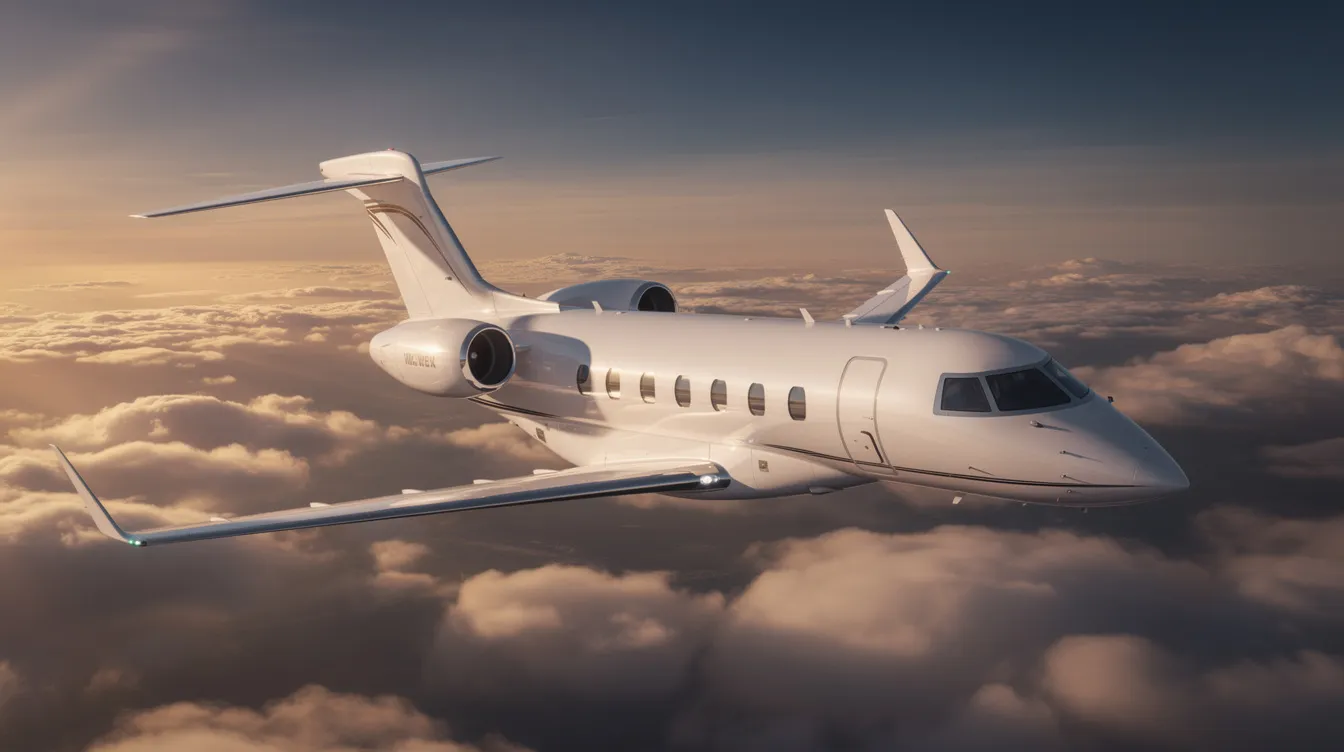
Small aircraft flights represent a strategic evolution in private aviation, offering executives, entrepreneurs, and discerning travelers a smarter way to access the skies. Unlike traditional ownership or unpredictable charter quotes, small aircraft provide a flexible, efficient, and transparent approach to regional and short-haul travel. By leveraging a diverse fleet—from piston planes to light jets—FLYT’s membership model empowers travelers to optimize every trip, balancing cost, convenience, and operational precision. This guide explores how small aircraft flights fit into modern travel strategies, highlighting their financial and operational benefits, safety considerations, and how they unlock access to thousands of airports worldwide. Whether for business trips, family trips, or multi-leg itineraries, understanding small aircraft flights is key to reclaiming time and enhancing the private flying experience.
Key takeaways
Small aircraft flights can materially reduce total travel time on routes such as New York–Boston, New York–Montreal, or Los Angeles–Napa by replacing airport congestion, long security lines, and schedule constraints with direct point-to-point flying.
FLYT’s membership model gives members access to light aircraft, turboprops, and light jets without purchasing an aircraft, using fixed hourly rates instead of opaque private charter quotes. Learn more about how FLYT works.
Small aircraft can land at thousands of smaller, regional airports not served by large commercial jets, making them useful for executives, families, and teams that value location flexibility.
Members can select the right aircraft for each mission, moving between a Beechcraft Bonanza-style piston, a Pilatus PC-12, a TBM, or a light jet based on distance, passengers, cabin space, and timing through FLYT’s aircraft interchange feature.
FLYT focuses on predictable costs, vetted operators, concierge support, and operational efficiency rather than one-off luxury charter services. Explore the advantages of FLYT.
What we mean by “small aircraft flights” today
Small aircraft flights involve a small plane or other smaller aircraft such as piston, turboprop, or light jets, usually configured for 2–8 passengers and missions up to roughly 1,200–1,500 nautical miles. They are often used for private flights, short business trips, family travel, and regional routes where commercial airlines create unnecessary friction.
In practice, “small” refers less to quality and more to mission fit.
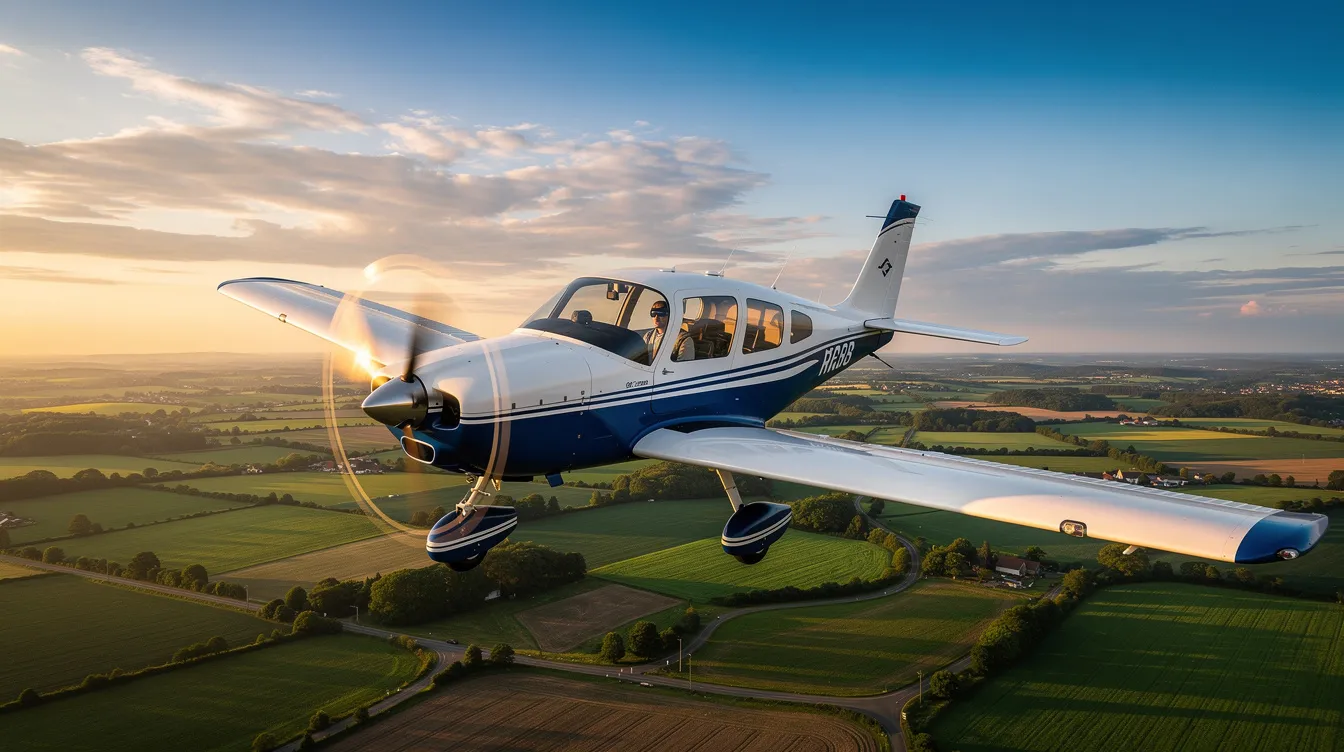
Piston aircraft include popular models such as the Cessna Skyhawk, Piper Cherokee, and Beechcraft Bonanza. The Cessna 172 is the most-produced aircraft with over 44,000 units, illustrating how central light piston aircraft have been to personal aircraft use and flight training.
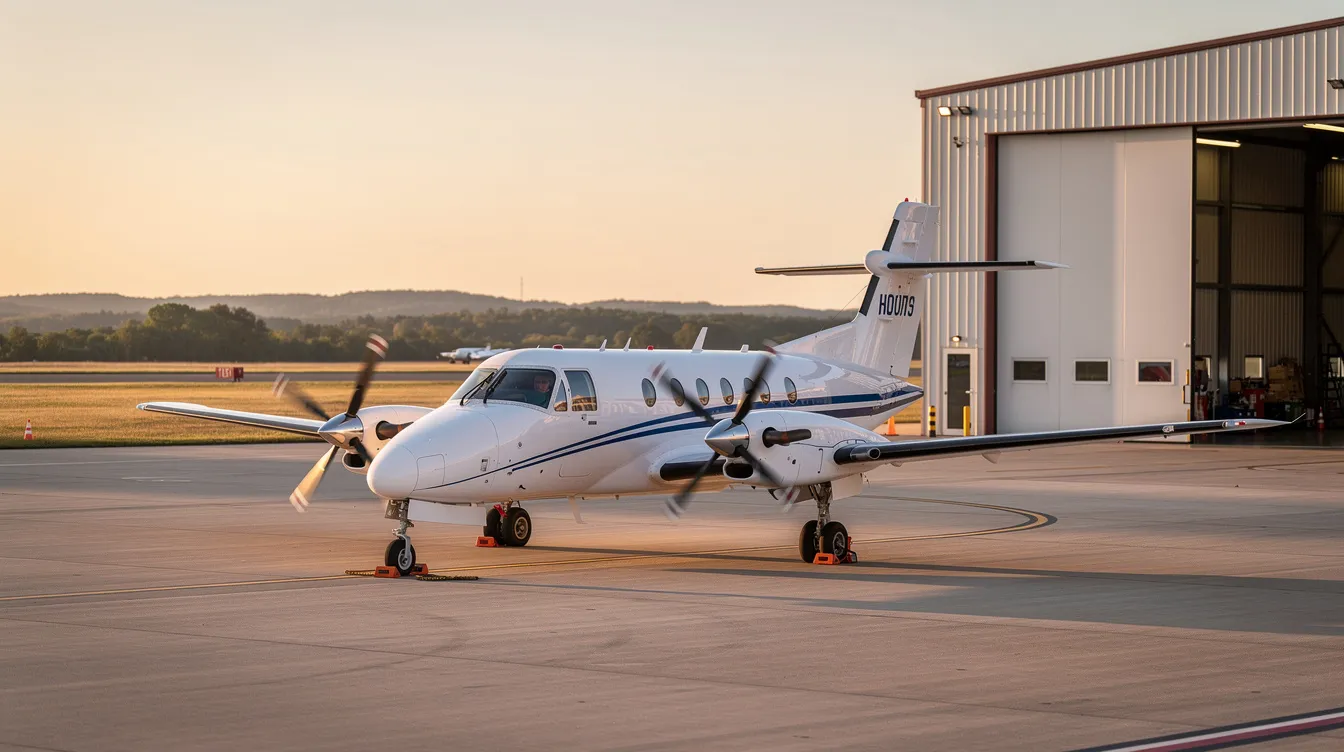
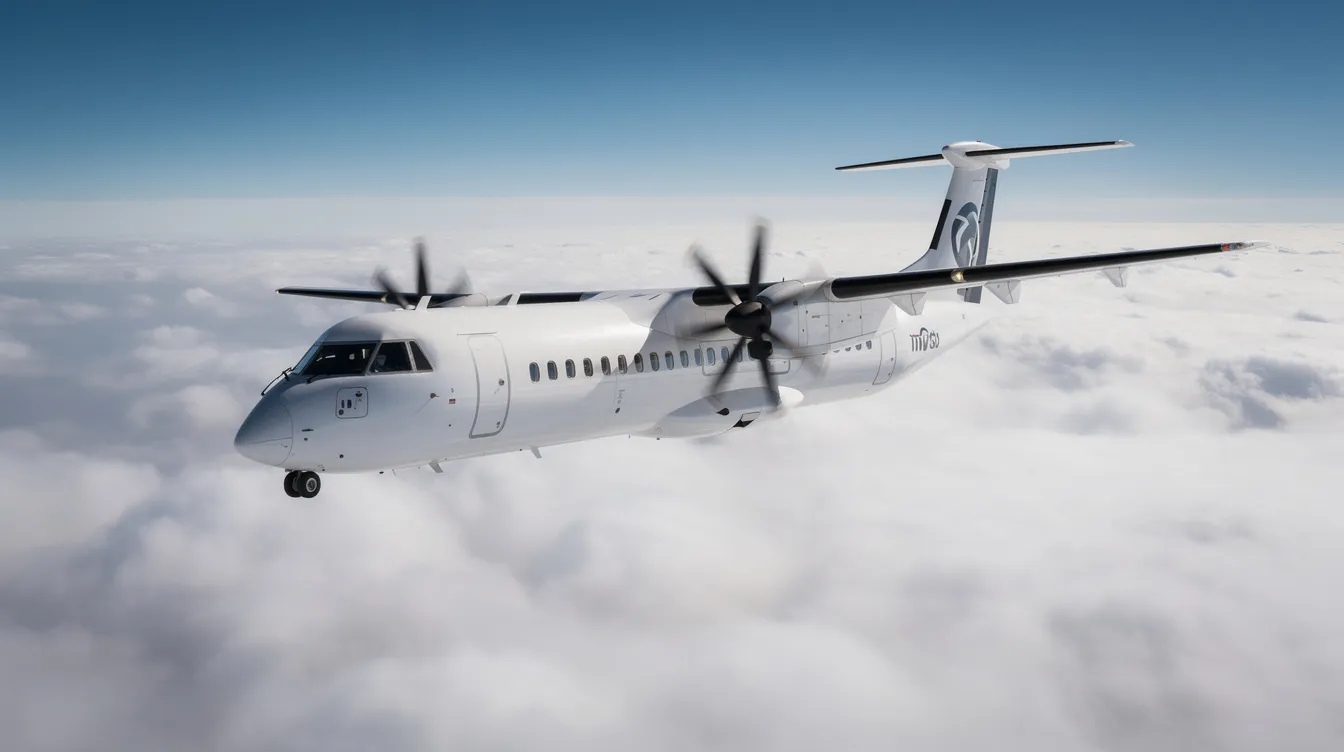
Turboprops include aircraft such as the Pilatus PC-12, King Air 350, and Daher TBM 960. These aircraft combine useful fuel capacity, strong fuel efficiency, modern avionics, and access to smaller airports.
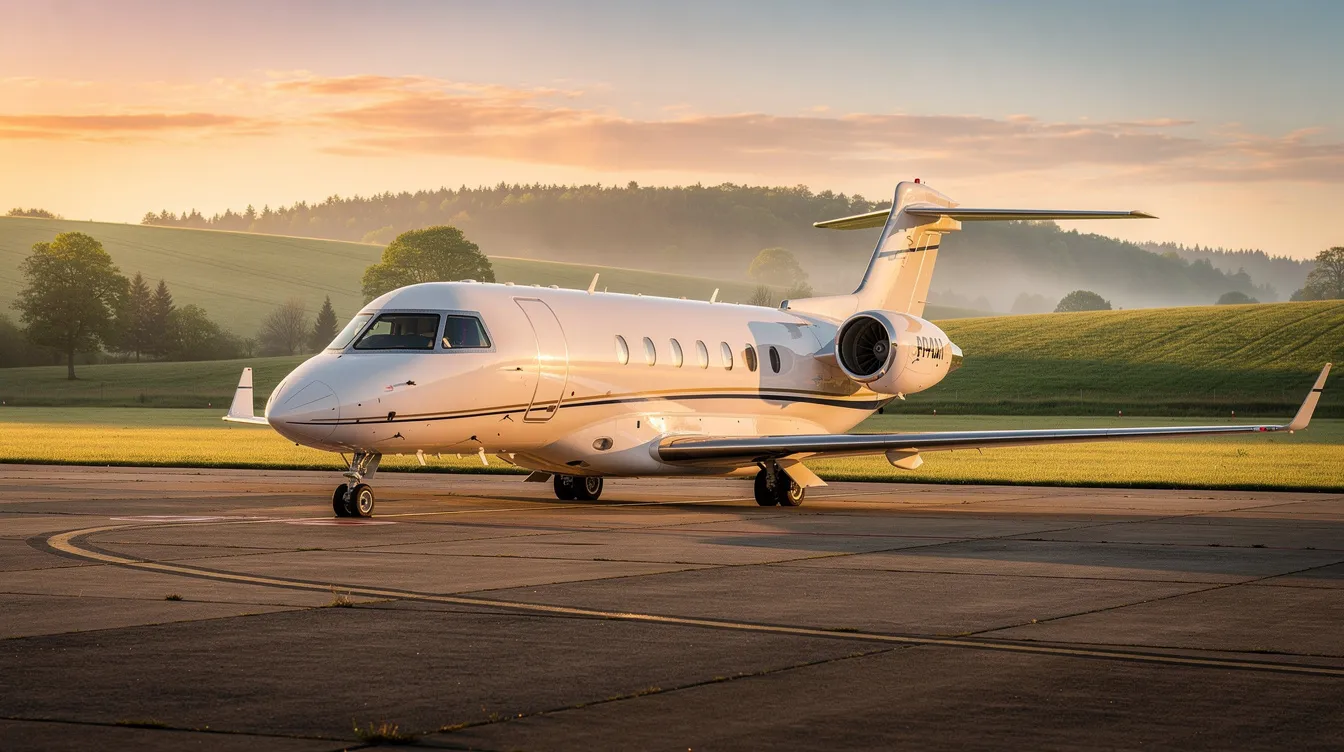
Light jets include the HondaJet Elite II, Embraer Phenom 100EV, Citation M2, and other very light jets. A HondaJet Elite II can cruise at up to about 422 KTAS and has a published range of roughly 1,547 nautical miles, according to Honda Aircraft Company.
These flights often operate under Part 135 charter rules or similar frameworks, rather than scheduled commercial aviation. A certified air carrier operating under an air carrier certificate must meet commercial operating standards.
For FLYT members, small aircraft flights often support regional business loops such as New York–Pittsburgh–Boston in one day, or family trips where commercial flights are poorly timed.
Private air charters are on-demand, point-to-point flights for business and leisure. In that sense, small aircraft are the practical foundation of modern air taxis.
Why small aircraft flights matter for executives and founders
Consider a midweek 2026 business trip from New York to Cleveland and back. A commercial itinerary can easily become a 12+ hour day when ground transfers, early arrival, security, boarding, delays, and return scheduling are included. A light aircraft flight from Teterboro or Westchester can often turn that into a 6–7-hour door-to-door trip.
That difference is not cosmetic. It changes what a founder, investor, or executive can do in a single day.
Time reclaimed: Small aircraft eliminate long security lines and extensive check-in processes. Passengers can often arrive at the airport just minutes before departure on small aircraft, bypass crowded commercial terminals, and board through an FBO rather than a main terminal.
Airport density: A PC-12, TBM, or light jet can use airports such as Westchester County, Teterboro, Morristown, Farmingdale, or other regional fields instead of JFK, Newark, or LaGuardia. Smaller airports often mean shorter drives, fewer delays, and faster departures.
Control of the schedule: On-demand charters enable travel with flexible departure and arrival times. You can leave after a morning call, add a site visit, or shift departure by 90 minutes without rebuilding an airline itinerary.
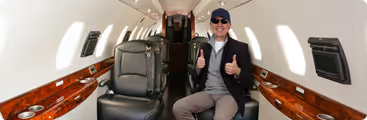
Privacy and productivity: Small aircraft provide enhanced privacy by offering a private cabin. Traveling on small aircraft allows for customized in-flight catering, confidential calls, and a work environment that is difficult to replicate on commercial flights.
Budget discipline: FLYT’s fixed hourly rates and asset-light model convert private aviation from a variable quote-by-quote exercise into a more predictable travel line item. Learn more about FLYT’s asset-light floating fleet and transparent pricing.
Private travel on small aircraft is significantly more expensive than commercial tickets. The relevant comparison for many executives is not seat price alone; it is the value of time, schedule control, privacy, and missed opportunity.
Types of small aircraft: from piston to light jet
Selecting the right aircraft category matters more than memorizing every model name. A smart private aviation strategy starts with matching aircraft design, range, speed, cabin comfort, and operating costs to the mission.
Aircraft Category | Typical Models | Passenger Capacity | Cruise Speed (KTAS) | Range (nm) | Typical Use Cases |
|---|
Piston Aircraft | Cessna 172 Skyhawk, Piper Cherokee, Beechcraft Bonanza | 2–6 | 120–176 | Up to 900 | Short regional flights, training, cost-effective personal use |
Turboprops | Pilatus PC-12 NGX, Daher TBM 960, King Air 350 | 6–9 | 285–330 | 1,500–1,800 | Business travel, family trips, access to smaller airports |
Light Jets | HondaJet Elite II, Cirrus Vision Jet, Embraer Phenom 100EV, Citation M2 Gen2 | 4–7 | 350–420 | 1,100–1,500 | Faster regional and short transcontinental missions |
Larger Jets (Not Small) | Bombardier Challenger 3500, Gulfstream G650 | 10+ | 500+ | 3,500+ | Long-haul, large groups, premium cabin needs |
Piston aircraft: Models such as the Cessna 172 Skyhawk, Piper Cherokee, and Beechcraft G36 Bonanza typically carry 2–6 people. They use piston engines, have lower operating costs, and are well-suited for short regional flights. A Beechcraft Bonanza G36 cruises around 170–176 KTAS and can reach roughly 900 nm in favorable conditions.
Turboprops: Aircraft such as the Pilatus PC-12 NGX, Daher TBM 960, and King Air 350 usually carry 6–9 passengers. They offer better cabin class options, pressurization, strong cruise speeds, and useful runway flexibility. The TBM 960 can cruise up to about 330 KTAS and has a published maximum range of about 1,730 nm, according to Daher.
Light jets and very light jets: Aircraft such as the HondaJet Elite II, Cirrus Vision Jet, Embraer Phenom 100EV, and Citation M2 Gen2 generally carry 4–7 passengers. They are useful for faster regional and short transcontinental missions, with cruise speeds often in the 350–420 KTAS range.
Larger aircraft: A Bombardier Challenger 3500, Gulfstream aircraft such as the G650, or larger Textron Aviation Citation models are not “small aircraft,” but they become relevant when passenger count, baggage, cabin needs, or nonstop range exceed light jet capability. The Gulfstream G650 can fly up to 7,000 nautical miles non-stop.
Utility aircraft: Some markets also use utility aircraft for rugged routes, remote access, medical logistics, and difficult airport environments.
The right aircraft is the one that fits the route, passenger load, runway, weather, and required arrival time with the least unnecessary cost.
Mission profiles: how small aircraft flights are actually used
Smart use of small aircraft is about matching aircraft to common trips, not rare long-haul exceptions.
200–400 nm regional hops: Routes such as New York–Boston, Dallas–Houston, and Milan–Zurich are where pistons and turboprops can be highly effective. A 3–4 hour airline or ground journey can become a 60–90 minute flight.
500–800 nm executive day trips: Routes such as New York–Chicago or London–Berlin often fit a PC-12, TBM 960, or light jet. Morning departure, midday meetings, and an evening return become realistic.
Multi-stop loops: A routing such as New York–Raleigh–Atlanta–New York in one day is difficult for commercial airlines to replicate. Charter flights using smaller aircraft can be built around the actual business agenda.
Leisure and family trips: Westchester to Nantucket, Teterboro to Aspen, or Paris to Courchevel via nearby regional fields are examples where privacy, baggage flexibility, and direct access matter.
Pricing fit: FLYT structures aircraft choice around these profiles, using smaller aircraft where they are efficient and larger aircraft where range, payload, or cabin needs justify the step up.
For discerning travelers, the value is not simply that they fly private. It is that they fly the right aircraft for the right trip.
Small aircraft flights in and out of New York
New York is one of the most active private jet and small aircraft markets globally, driven by finance, media, technology, family office travel, and frequent short-haul business routes.
Common airports for New York private aviation include:
Teterboro (TEB): A primary private aviation airport for Manhattan-area travel.
Westchester County (HPN): Useful for executives and families based north of the city.
Farmingdale Republic (FRG): Often practical for Long Island access.
Morristown (MMU): A strong alternative for New Jersey-based travelers.
These airports help small aircraft bypass the congestion of JFK and LaGuardia.
Typical short-haul business routes include New York–Washington, D.C., New York–Boston, New York–Toronto, and New York–Montreal. Depending on passenger count and timing, FLYT may recommend a turboprop, light jet, or larger cabin if weather, baggage, or schedule demands require it.
Seasonal leisure routes include New York–Nantucket, New York–Martha’s Vineyard, and New York–Palm Beach. Friday and Sunday demand can create aircraft availability pressure, especially during holidays.
Private jet travel surged over 1,100% during the Super Bowl, a useful reminder of how peak events can distort charter pricing. FLYT’s membership, fixed hourly pricing, and risk-pool model are designed to reduce exposure to variable charter quotes during major events, market closings, and seasonal travel peaks.

How small aircraft compare with private jets and larger charter aircraft
Small aircraft flights include some private jet options, but they also include more efficient alternatives than a large cabin jet. The distinction matters because using too many aircraft is one of the fastest ways to increase private aviation costs.
Cost per hour: Piston aircraft cost approximately $500 to $1,500 per hour. Private jet charters typically start around $2,000 per hour. Private jet hourly rates can range from $2,000 to $15,000, while average hourly rates for larger jets can exceed $9,000.
Turboprop benchmark: Charter rates for King Air 350 typically start in the mid-$2,000s per hour, depending on operator, market, routing, and timing.
Operational reach: Heavy jets are appropriate for New York–London, Los Angeles–Tokyo, or similar long-haul routes. Light jets and turboprops are more efficient for New York–Miami, Chicago–Denver, and intra-Europe segments.
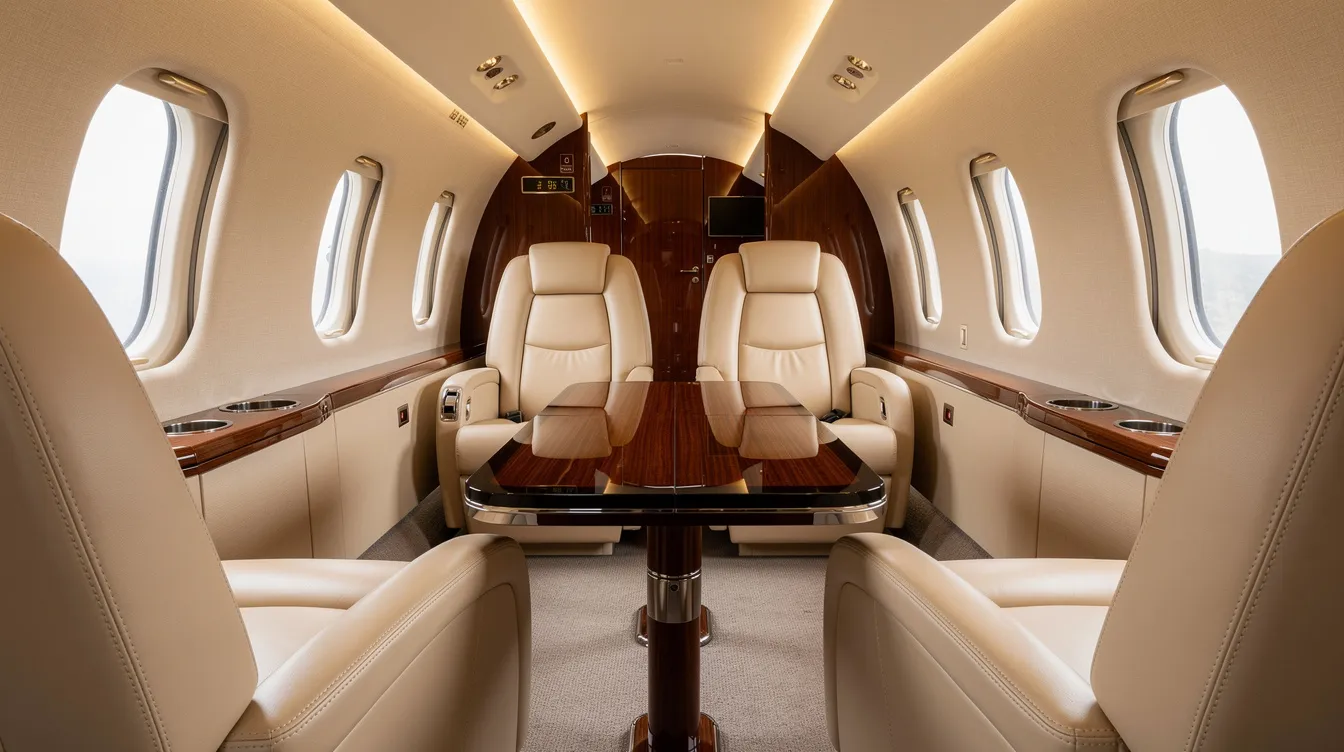
Cabin experience: Premium turboprops and light jets often offer pressurization, quiet cabins, club seating, and enclosed lavatories. Simpler pistons may have tighter cabin space and less sound insulation.
Fleet flexibility: FLYT’s aircraft fleet interchange lets a member use a small turboprop for regional circuits and a super midsize jet for a quarterly New York–San Francisco trip under one membership framework.
Private jets can access over 90% of the world's airfields, which is one reason private aviation can be more operationally precise than airline travel. The objective is not always the largest aircraft. It is the right aircraft.
Booking models: charter, air taxi, jet cards, and FLYT membership
How you access small aircraft matters as much as which aircraft you choose. The main models are on-demand charter, air taxi-style services, jet cards, fractional ownership, and membership.
On-demand charter: On-demand charter is best for occasional flyers under 25 hours yearly. Charter services allow users to pay only for flights taken, but ad hoc quotes can vary with demand, aircraft position, crew, and peak travel dates. See FLYT vs charter for a comparison.
Air taxi-style services: Air taxis are common for very short regional missions, often using pistons and turboprops. They can be useful, but consistent aircraft features, service levels, and safety vetting can be harder to scale.
Jet cards: Jet cards are ideal for moderate flyers needing 25-100 hours yearly. Jet cards offer predictable pricing without ownership risks, but jet card programs may include peak-day restrictions, blackout dates, or limited fleet choice. A jet card can work for some travelers, but it is not always the most flexible structure. See FLYT vs jet cards and FLYT vs brokers vs jet cards.
Fractional ownership: Fractional ownership suits frequent flyers over 100 hours annually. Fractional ownership requires significant upfront investment and commitment, which may not suit travelers seeking flexibility. See FLYT vs fractional ownership.
FLYT membership: Private jet memberships offer flexible access to aircraft. Private jet memberships provide predictable pricing for users without separate membership fees beyond the published program structure, and memberships reduce upfront costs compared to traditional ownership. Private jet memberships eliminate the operational burdens of ownership. Learn more about FLYT memberships.
The asset-light model reduces ownership burdens in private aviation. It allows access to private jets without purchasing an aircraft. This model offers flexibility and cost efficiencies for travelers. The asset-light model is ideal for infrequent private flyers when compared with ownership, and it provides on-demand access to a wide range of aircraft.
Aircraft fleet interchange allows flexible aircraft selection for trips. Fleet interchange enhances access to various aircraft types for travelers, and flexibility in aircraft choice is a key benefit of fleet interchange.
In the broader market, Jettly offers transparent pricing without long-term commitments. Over 20,000 aircraft are available for charter through platforms like Jettly. FLYT’s approach is different in emphasis: membership-based access, fixed hourly rates, concierge management, and a global network designed around repeat use rather than isolated transactions. Learn more about FLYT’s platform and AI fleet engine.
Pricing and cost structure of small aircraft flights
Small aircraft can be the most capital-efficient way to fly private, but private aviation pricing can be confusing without context.
Key cost drivers include:
Transparent pricing includes all taxes and fees upfront. One transparent price covers everything with no hidden fees. Transparent pricing allows instant access to accurate flight costs. Transparent pricing enhances flexibility in private aviation bookings.
Private aviation services offer instant pricing for diverse aircraft options, but there is an important distinction between an online estimate and contract-based predictable pricing. Instant booking tools can be useful, yet they may not always reflect aircraft availability, crew limitations, or operational constraints.
Fixed hourly rates provide predictable pricing for private jet charters. FLYT uses published membership pricing and fixed hourly rates so members can plan annual travel with more confidence than variable private charter quotes. FLYT’s published membership model includes aircraft categories from turboprops and light jets through midsize jets, heavy jets, and ultra-long-range options on FLYT memberships.
For example, a 500 nm New York–Detroit trip for four passengers might compare as follows:
Commercial first class may be cheaper per seat but can consume most of the day.
A turboprop may reduce total trip time with lower operating costs than a jet.
A light jet may cost more per hour but shorten flight time and improve schedule reliability.
The CFO-level question is not only “What is the hourly rate?” It is “What is the total cost of completing this trip reliably?” Visit FLYT pricing for details.
Aircraft spotlight: Beechcraft Bonanza and other notable small aircraft
Several popular models help explain hoSeveral popular models help explain how small aircraft flights differ in real use.
Beechcraft Bonanza G36: The Beechcraft Bonanza is a premium cross-country piston with 4–5 passenger seating, cruising around 170 KTAS, and a range of nearly 900 nm in favorable conditions. It is suited to regional routes where cost-effective access matters.
Pilatus PC-12 NGX: The PC-12 is a single-engine turboprop often configured for 6–8 passengers. Its large cargo door, rugged design, and short-field capability make it a strong fit for business, family, and resort missions.
Daher TBM 960: The TBM 960 combines high cruise speeds, modern avionics, HomeSafe autoland, and efficient single-engine turboprop performance. It is particularly useful for fast regional travel with fewer passengers.
HondaJet Elite II: This light jet offers a quiet cabin, a range of around 1,500 nm, and 4–6-passenger comfort depending on configuration. It fits routes such as New York–Miami or Los Angeles–Seattle.
Larger step-up aircraft: A Bombardier Challenger 3500 is not small, but FLYT’s fleet interchange allows members to scale into super-midsize or larger aircraft when range, baggage, or cabin needs require it.
Popular models matter less than mission suitability. FLYT’s role is to help members avoid overbuying aircraft for routine trips while preserving access to larger jets when necessary.To help members avoid overbuying aircraft for routine trips while preserving access to larger jets when necessary.
Safety, regulation, and technology in small aircraft operations
Safety is the most important filter in small aircraft operations. Well-run operators under FAA Part 135 or EASA equivalents follow commercial standards for maintenance, crew training, operational control, and dispatch.
The distinction is important:
Part 91 generally covers private owner operations.
Part 135 governs commercial charter operations, including many member flights operated by an air carrier. Learn more about air carrier certificates.
FLYT works with audited, commercial-certified operators for member flights.
Small planes have a higher crash rate compared to commercial airlines. That fact should be addressed directly, not minimized. Small aircraft are more affected by external conditions and can be less stable in the air, particularly lighter piston aircraft in weather or turbulence.
Operator selection is therefore critical. The NTSB has long emphasized differences between operational categories, training standards, and oversight. Reputable Part 135 operators apply conservative rules around weather, pilot training, duty limits, maintenance, and dispatch.
Modern aircraft also include advanced safety features such as:
Small aircraft generally avoid turbulence by cruising at higher altitudes when they are pressurized turboprops or light jets; however, some piston aircraft operate at lower altitudes and can be more exposed to weather. Many small aircraft operate under single-pilot operation rules, but premium charter services may use two pilots depending on aircraft, regulations, operator standards, and mission complexity.
Third-party audits such as ARGUS, Wyvern, and IS-BAO are commonly used in private aviation to evaluate operational control, pilot training, maintenance, and safety culture. For FLYT, safety vetting is not an add-on. It is part of providing access responsibly.
Sustainability and efficiency in small aircraft flights
Investors, corporates, and family offices increasingly expect private aviation to align with broader sustainability goals. That does not eliminate the environmental impact of private flying, but it does change how aircraft should be selected and used.
Modern turboprops and efficient light jets can produce lower emissions per passenger-mile on short routes than large underfilled jets. Choosing a PC-12 or TBM instead of a larger cabin aircraft for a short regional route is often both financially and environmentally more disciplined.
Sustainable aviation fuels are increasingly available at major FBOs in hubs such as New York, Los Angeles, and London. Membership programs can also help travelers identify operators and airports where sustainable aviation fuels are practical.
FLYT’s asset-light, high-utilization floating fleet model reduces the number of underused owned aircraft sitting idle. Better utilization can reduce lifecycle waste tied to ownership, hangarage, depreciation, and unnecessary repositioning. Learn more about FLYT’s asset-light floating fleet.
Members can also request estimated trip emissions for internal reporting, board visibility, or family office sustainability dashboards.
How to decide if small aircraft flights fit your travel strategy
This is a strategic decision for executives, family offices, and corporate travel managers. It should start with actual travel data, not aircraft preference.
Review the last 12–24 months of travel and identify:
General thresholds can help frame the decision:
Under 25 hours per year: On-demand charter may be more efficient.
25–100 hours per year: Jet cards or selective membership can be worth comparing.
75–200 hours per year: Membership models often become more attractive, especially with frequent regional trips.
Over 100 hours per year: Fractional ownership may enter the discussion, but capital commitment and contract structure matter.
200+ hours per year: Ownership, fractional, or advanced membership modeling should be evaluated carefully.
If most travel falls within 300–900 nm, small aircraft flights using turboprops and light jets will often deliver the best balance of access, cost, and time saved.
FLYT can model scenarios such as all charter, mixed membership, or partial ownership to estimate annual spend, capital at risk, aircraft availability, and expected time savings.
About FLYT: a smarter way to access small aircraft and private jets
FLYT is a membership-based private aviation service built for travelers who value time, predictability, and flexibility over ownership complexity. Visit FLYT.com to learn more.
The model is designed around several principles:
Fixed hourly rates across multiple aircraft categories, from turboprops and light jets to midsize jets, super midsize aircraft, heavy jets, and ultra-long-range options.
Fleet interchange, so members are not locked into one tail number or one cabin class. Learn more about aircraft fleet interchange.
A floating, asset-light fleet model that avoids the high costs and long-term commitments of full ownership.
Transparent pricing with no surprise repositioning fees buried in fine print.
Concierge-level personalized service for planning, aircraft selection, scheduling, and trip support. Contact FLYT via contact us page.
Global reach through a curated operator network and global network access.
Membership models cater to frequent flyers and high-net-worth individuals who want flexible private jet access without the operational burden of ownership. For many travelers, FLYT offers a more efficient way of providing access to aircraft across business, family, and lifestyle needs.
If your route map includes frequent New York–Florida trips, Texas business loops, West Coast regional hops, or intra-Europe travel, FLYT can structure a membership around how you actually fly.
Explore a membership model designed around efficiency, transparency, and flexible private aviation access.
Frequently asked questions about small aircraft flights
How far can small aircraft realistically fly without stopping?
Many piston aircraft can fly roughly 500–800 nm depending on payload, weather, and reserves. High-performance pistons such as the Beechcraft Bonanza may reach closer to 900 nm in favorable conditions.
Turboprops such as the PC-12 and TBM 960 can often operate in the 1,500–1,800 nm range depending on configuration and fuel planning. Light jets such as the HondaJet or Phenom 100EV often sit around 1,200–1,500 nm depending on passengers, baggage, and reserves.
For New York–Miami, a light jet or advanced turboprop may be suitable. For New York–Los Angeles, a member would typically step up to super-midsize or larger aircraft.
Can small aircraft flights operate in poor weather or at night?
Many modern small aircraft are certified for instrument flight, night operations, and certain icing conditions. Turboprops and light jets often include de-icing systems, weather radar, and modern avionics.
Actual go/no-go decisions depend on regulation, operator standards, crew experience, airport conditions, and aircraft capability. Reputable Part 135 operators make conservative operational decisions.
FLYT works with operators that meet safety, maintenance, and training criteria, and its concierge team can arrange alternate aircraft or departure times when conditions require it.
Are small aircraft flights comfortable enough to work on board?
It depends on the aircraft. Simple pistons have tighter cabins and more noise. Premium turboprops and light jets often provide pressurization, quieter interiors, club seating, worktables, and Wi-Fi on many aircraft.
For executives working on routes such as New York–Chicago or London–Geneva, turboprops and light jets generally provide a more office-like cabin environment.
FLYT recommends specific aircraft and cabin configurations for members who expect to work in flight regularly.
How quickly can I organize a small aircraft flight if plans change?
An ad hoc charter can sometimes arrange flights within hours, but aircraft availability and pricing may fluctuate sharply during peak periods.
A membership framework can provide more predictable responsiveness because access rules, pricing, and support processes are established in advance.
FLYT’s concierge team focuses on short-notice regional missions in dense markets such as New York, London, and other major private aviation hubs by using a floating, asset-light fleet.
Is there a minimum number of flight hours where membership starts to make sense?
For many travelers, structured access models begin to outperform pure on-demand charter once annual usage consistently exceeds roughly 50–75 hours.
The exact threshold depends on route mix, lead time, passenger count, seasonal demand, and cabin requirements. Heavy New York–Florida winter travel may produce a different answer than evenly distributed business trips.
FLYT typically reviews 12–24 months of travel data before recommending membership, selective charter, or a hybrid strategy. For more FAQs, visit FLYT FAQ.
Conclusion: Embracing the future of small aircraft flights with FLYT
Small aircraft flights represent a strategic shift in private aviation, delivering efficiency, flexibility, and operational intelligence that align with the needs of executives, founders, and discerning travelers. By focusing on mission fit rather than aircraft size alone, small aircraft unlock time savings, schedule control, and access to airports that commercial airlines cannot serve. FLYT’s membership model offers a smarter alternative to traditional ownership or unpredictable charter, combining fixed hourly rates, fleet interchange, and a floating asset-light fleet to optimize cost and convenience.
With transparent pricing, vetted operators, and concierge-level support, FLYT empowers members to tailor their travel experience across regional business loops, family trips, and complex multi-leg itineraries worldwide. The integration of sustainability initiatives and advanced safety standards further reinforces FLYT’s commitment to responsible private aviation.
Discover how FLYT can transform your travel strategy by providing flexible, predictable access to the right aircraft for every mission. Explore more at FLYT.com and experience a modern approach to private flying that prioritizes efficiency, transparency, and operational excellence without the burdens of ownership.