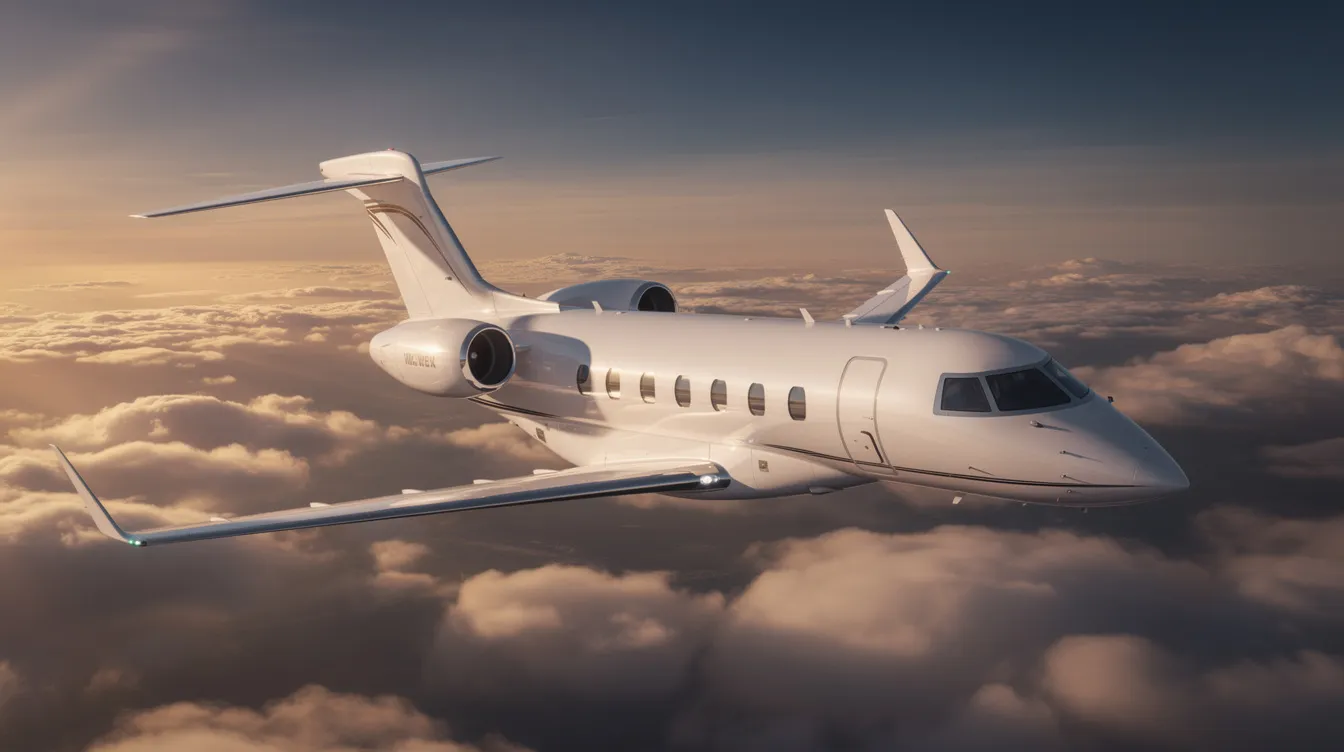
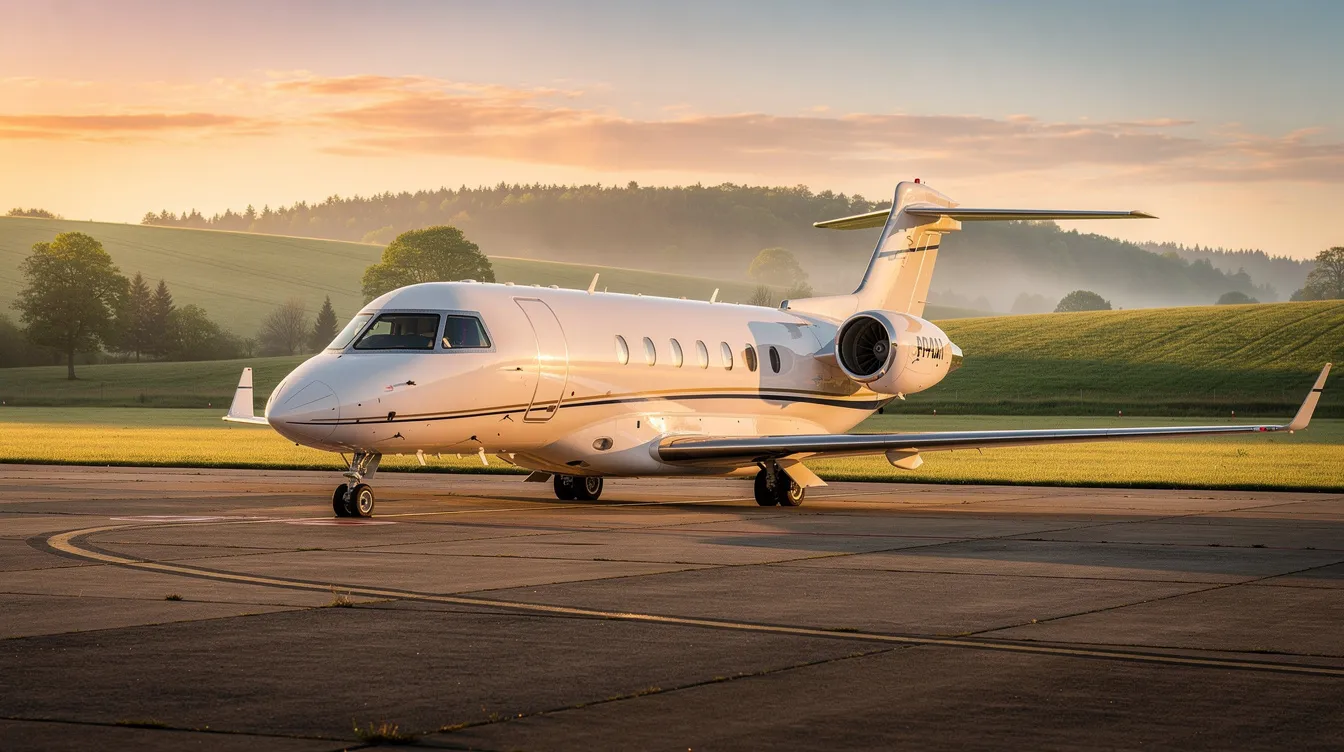
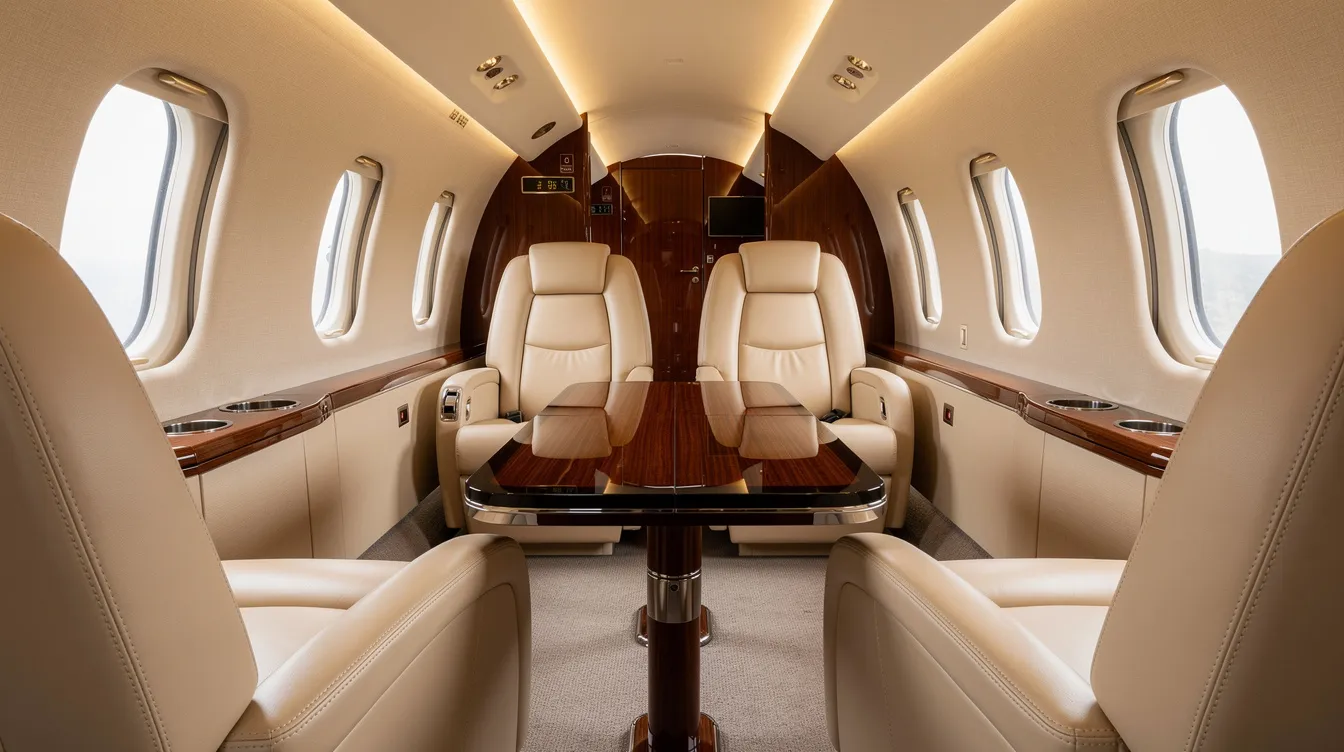
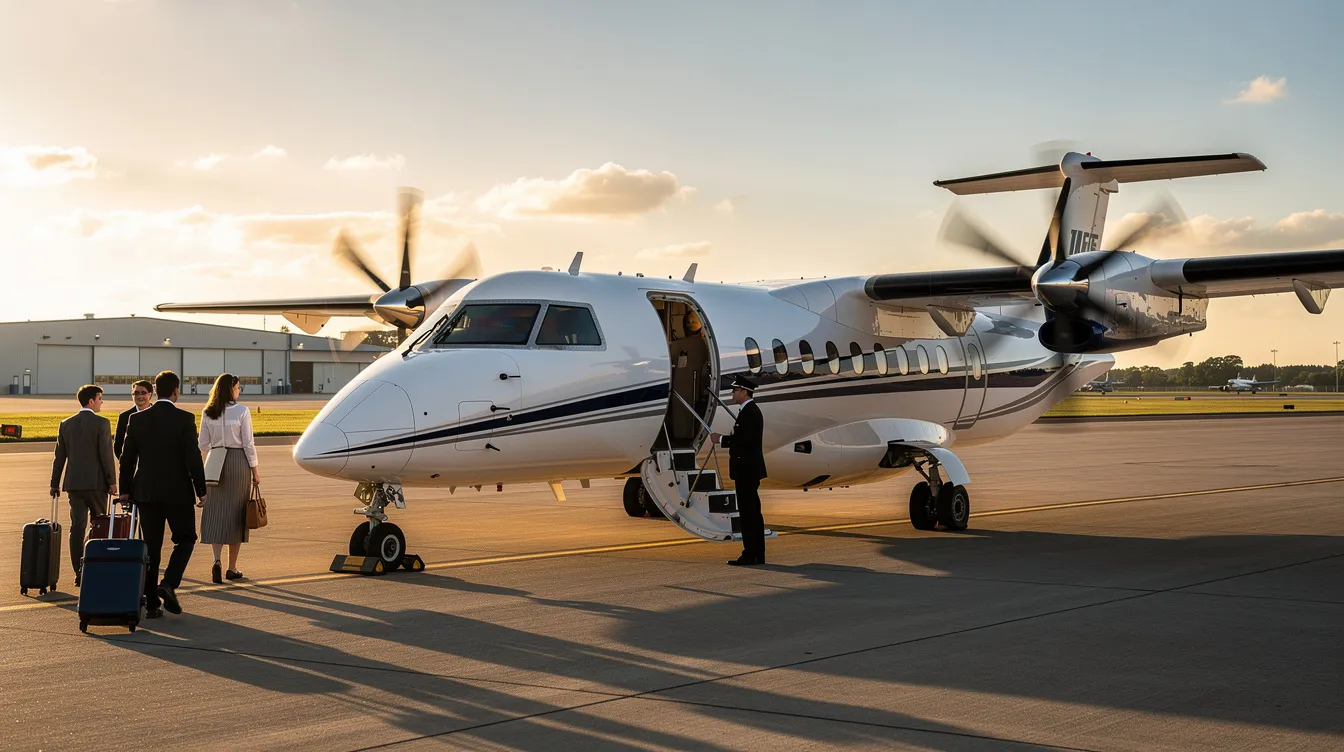
Private jet travel in India has grown sharply since 2020. Movements on corridors like Delhi–Mumbai, Mumbai–Dubai, and Bangalore–Delhi continue to rise, driven by executives, founders, and families who value time and privacy over the constraints of commercial airlines. Private jet travel ensures complete privacy and confidentiality, and a private jet journey provides a tailored travel experience for every need—from investor roadshows to multi-city family trips. Travelers can bypass crowded terminals and long security lines, reclaiming hours that commercial flights routinely consume.
Today, the decision is no longer simply whether to fly privately. It is how to structure that access. Executives and family offices are comparing three models: occasional private charter, buying private jets outright, and newer membership models like FLYT that deliver access without ownership. Each carries different economics, and the right choice depends on flight hours, route mix, and how you think about capital.
This article focuses on concrete private jet price benchmarks in India—expressed in rupees—covering what drives those costs and how to build a smarter, more predictable aviation budget. FLYT is a membership-based private aviation service offering fixed hourly rates, fleet interchange, and a global, asset-light floating fleet as an alternative to full aircraft ownership. Learn more about how it works.
Key takeaways
Private jet rentals in India start at ₹1.5 lakh per hour for turboprops and scale to ₹10 lakh or more per hour for ultra-long-range jets on international sectors. New private jets range from ₹15 crore to over ₹550 crore, with most private jets falling between ₹30 crore and ₹500 crore.
Private jet ownership costs ₹6 crore to ₹15 crore annually in operating expenses alone and is typically efficient only for those flying over 300 hours yearly. Chartering a jet is more cost-effective for occasional travelers with lower annual flying hours.
Typical charter pricing bands in India:
Turboprops: ~₹1.5 lakh per hour
Light jets: ~₹2.5–5 lakh per hour
Midsize jets: ~₹4–8 lakh per hour
Large or ultra-long-range jets: often ₹10 lakh or more per hour
FLYT's membership-based model offers fixed hourly rates, fleet interchange across aircraft categories, and global access without tying up ₹30–500+ crore in capital. Membership programs offer discounted hourly rates and priority access compared to ad hoc charter.
For Indian executives and families comparing private aviation models, understanding total cost of access—not just the headline private jet price—is what separates a strategic decision from an expensive one.
How Much Does a Private Jet Cost in India Today?
Aircraft size and type affect private plane pricing more than any other single variable. Here are typical charter prices in India in 2025–2026:
Turboprops (e.g., King Air 200, Pilatus PC-12): ~₹1.5–2.5 lakh per flight hour on domestic sectors.
Very light jets (e.g., Phenom 100, Eclipse 500): ~₹2–3.5 lakh per hour on short hops like Bangalore–Hyderabad.
Light jets (e.g., Citation CJ2, Hawker 400XP): ~₹3–5 lakh per hour for city pairs such as Delhi–Mumbai.
Midsize jets (e.g., Hawker 800XP, Learjet 60): ~₹5–8 lakh per hour, often used on Mumbai–Dubai or Delhi–Colombo. Midsize jets cost between ₹3.8 lakh and ₹8 lakh per hour depending on configuration and route.
Super midsize jets and large jets (e.g., Gulfstream G200, Challenger 605, Falcon 2000): ~₹8–14 lakh per hour.
Ultra-long-range jets (e.g., Gulfstream G650ER, Global 7500): often ₹15–30 lakh+ per hour on India–Europe/US sectors. Ultra-long-range jets can exceed ₹10 lakh per hour even on shorter international flights.
Sample one-way route estimates:
Delhi–Mumbai on a light jet: roughly ₹6–9 lakh
Bangalore–Hyderabad on a turboprop: about ₹3–4 lakh
Mumbai–Dubai on a midsize jet: ₹18–30 lakh range
Delhi–London on a large or ultra-long-range jet: ₹60 lakh–₹1.3 crore one-way
Mumbai–New York on ultra-long-range jets: ₹1.8–3 crore one-way
These are typical 2025–2026 market ranges for private charter in India and can move with demand, fuel prices, and aircraft availability. FLYT's pricing uses fixed hourly rates within membership, so members see fewer surprises versus pure on-demand charter pricing.
Private Jet Pricing Bands by Aircraft Category
Aircraft Category | Typical Hourly Charter Rate (₹) | Passenger Capacity | Typical Purchase Price Range (₹ crore) | Use Cases |
|---|
Turboprops | 1.5–2.5 lakh | 4–8 | 15–40 | Short domestic hops, regional airports |
Very Light Jets | 2–3.5 lakh | 2–4 | 30–60 | Single executives, couples |
Light Jets | 3–5 lakh | 4–6 | 16–40 | Domestic business travel |
Midsize Jets | 5–8 lakh | 7–9 | 40–120 | Medium-haul, India–Middle East |
Super Midsize / Large Jets | 8–14 lakh | 10–16 | 120–300 | Long international flights, business groups |
Ultra Long Range Jets | 15–30 lakh+ | 14–18+ | 300–550+ | Intercontinental, high-capacity VIP travel |
Key Factors That Influence Private Jet Prices in India
Understanding what drives the private jet price in India helps financial decision-makers compare private jet charters, memberships, and private jet ownership on a like-for-like basis. Here are the core drivers:
Aircraft type and size: Turboprop vs very light jets vs light jets vs midsize vs ultra long range. Larger cabins and higher cruise speeds increase fuel burn, maintenance frequency, and crew requirements.
Flight duration and distance: Including positioning and empty legs. Short flights can still be expensive due to fixed costs like taxi, climb, and crew standby.
Route complexity, airport fees, and navigation charges: At metro vs regional airports. Landing fees can add ₹1–1.5 lakh per stop at major hubs.
Seasonal demand: Peak travel times can increase private jet costs by 20–30% during festive periods, the IPL season, weddings, and major events like Davos.
Crew salaries, overnight costs, and duty-time constraints: Crew members require a 10-hour rest period after 14 hours of duty, which affects multi-leg itineraries.
In-flight services and extras: In-flight catering, Wi-Fi, special medical or security arrangements.
International permits, overflight fees, and ground handling services: For cross-border trips.
Jet fuel costs: Between ₹50,000 and ₹1.5 lakh per flight hour, depending on aircraft category, and Aviation Turbine Fuel in India is heavily taxed, adding further to fuel surcharges.
Explore FLYT's asset-light floating fleet and risk pool model for operational efficiency and cost predictability.
Aircraft Types and Typical Pricing Bands in India
The aircraft category you select determines the majority of your trip cost. FLYT members can access different aircraft options trip-by-trip through fleet interchange, rather than being locked into a single jet type—optimizing cost per mission.
Turboprops: The Most Economical Private Charter Option
Turboprops like the King Air C90/200/350 and Pilatus PC-12 serve as the workhorses of short-haul private jet travel in India, handling flights of one to two hours for four to eight passengers. Typical hourly charter rates run ~₹1.5–2.5 lakh per hour on domestic routes such as Bangalore–Goa, Mumbai–Ahmedabad, or Delhi–Jaipur.
Their ability to use shorter runways at smaller regional airports and lower fuel burn makes them a strong choice for corporate shuttles and same-day returns. For sub-500 nm missions, a turboprop is often more cost-efficient than very light jets or light jets.
Very Light Jets: Entry Point to Business Jets
Very light jets such as the Embraer Phenom 100, Eclipse 500/550, and HondaJet typically seat two to four passengers with a range of roughly 800–1,000 nautical miles. Very light jets are economical for single passengers or couples who value speed and privacy but do not need a larger cabin.
India-relevant pricing: ~₹2–3.5 lakh per hour
Sample sectors: Bangalore–Hyderabad, Mumbai–Indore, or Chennai–Kochi, costing roughly ₹3–6 lakh one-way
Purchase price: ₹30 crore to ₹60 crore
In FLYT's model, very light jets are a smart choice for short executive hops where ownership of a larger aircraft would be economically inefficient.
Light Jets: Popular for Domestic Business Travel
Light jets such as the Cessna Citation CJ2/CJ3, Hawker 400XP, and Citation Bravo are commonly used for domestic business travel in India. Light jets accommodate 4–6 passengers for short trips, offering a good balance of price, speed, and comfort for frequent corporate travel and investor roadshows.
Typical Indian hourly charter rates: ~₹3–5 lakh per hour
Delhi–Mumbai, Mumbai–Bangalore, and Hyderabad–Jaipur one-way flights: typically ₹6–10 lakh depending on date and positioning
FLYT members might switch between light jets and midsize jets depending on passenger count and how much luggage the group carries, using fleet interchange to avoid overpaying for capacity they do not need.
Midsize and Super Midsize Jets: Extended Range and Comfort
Midsize jets (e.g., Hawker 800XP, Learjet 60, Citation Excel/XLS) and super midsize jets (e.g., Gulfstream G150/G200, Challenger 300, Citation Sovereign) typically seat six to eight passengers or more. Midsize jets seat 7–9 passengers for medium-haul travel, with better in-flight services—larger galleys, enclosed lavatories, and sometimes lie-flat beds—important for board-level travel.
Indian market rates: midsize ~₹5–8 lakh per hour; super midsize ~₹7–10 lakh per hour
Mumbai–Dubai in a midsize jet: roughly ₹18–30 lakh one-way
Delhi–Malé in a super midsize jet: roughly ₹20–35 lakh depending on the season
Midsize jets purchase price: ₹100 crore to ₹250 crore
Large and Ultra Long Range Jets: Intercontinental Private Jet Travel
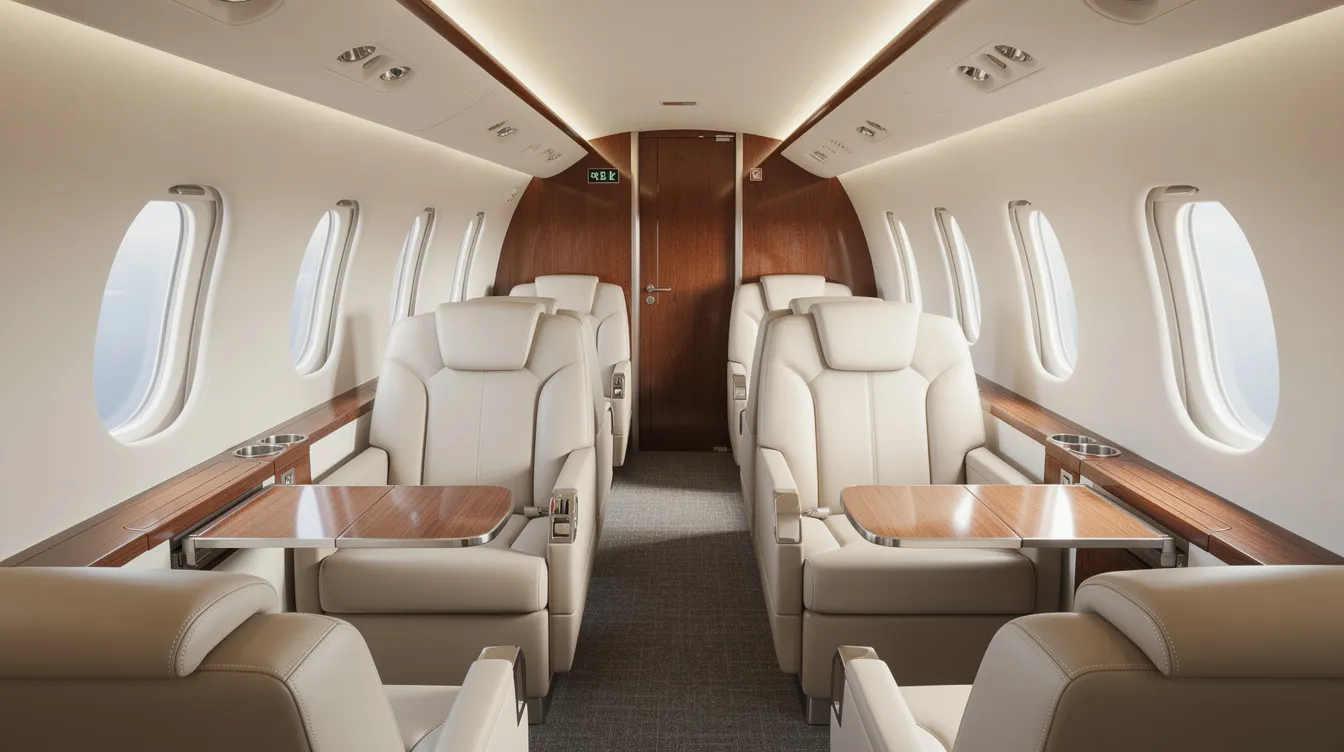
Large private jets (e.g., Gulfstream G450/G550, Challenger 605/850, Falcon 900/2000) and ultra-long-range jets (e.g., Gulfstream G650ER, Global 6000/7500, Falcon 7X) serve India–Europe–US sectors. Large jets can seat 10–16 passengers for long international flights. Ultra-long-range jets fly 7,000–8,000+ nautical miles nonstop, connecting Indian cities directly to London, Zurich, or New York without refueling.
Typical pricing: large jets ~₹9–14 lakh per hour; ultra long range often ₹15–30 lakh per hour depending on aircraft age and configuration
Delhi–London on a large jet: ~₹60 lakh–₹1.2 crore one-way
Mumbai–New York on ultra-long-range jets: ~₹1.8–3 crore one-way
Bangalore–Zurich: ₹80 lakh–₹1.5 crore band
Heavy and ultra-long-range jets purchase price: ₹300 crore to ₹500 crore
For clients flying multiple intercontinental missions annually, pure charter can become less efficient, making fixed hourly membership worth evaluating. FLYT's membership model gives access to these aircraft classes without tying up ₹300–500 crore in a single ultra-long-range jet.
Private Jet Ownership in India: Purchase Price and Annual Costs
Purchase Price
Buying a private jet in India is a capital allocation decision. Private jet ownership is best for those flying over 300 hours yearly; below that threshold, the economics rarely justify the commitment. An individual's net worth should be 5 to 10 times the aircraft purchase price to absorb the financial impact comfortably.
Typical acquisition prices for India-based owners:
Very light and light jets: ~₹16–40 crore
Midsize and super midsize jets: ~₹40–120 crore
Large jets: ~₹120–250 crore
Ultra long range jets and VIP airliners: ~₹250–550 crore+ depending on configuration
New private jets: ₹16 crore to over ₹500 crore
Small, used, or entry-level private jets: start around ₹20–25 crore
Customization can increase a private plane's total cost significantly beyond the list price
Import Duties and Taxes
Importing a private aircraft in India incurs various duties and taxes. Import duties and taxes significantly influence final purchase prices in India:
Basic Customs Duty for aircraft: between 2.5% and 3% of the value, plus social welfare surcharge, plus IGST and GST
GST on private jets acquired for personal use: 40% (inclusive of compensating cess)
Private jets can lose 10% of their value in the first year, adding depreciation risk to the capital outlay
Annual Operating Costs
Key annual operating costs for a privately owned jet in India:
Flight crew salaries: ₹60 lakh to ₹1.5 crore annually, depending on aircraft type and rotation schedule. Crew fees for larger jets requiring additional cockpit and cabin crew with flight attendants push this higher.
Routine maintenance costs: ₹20,000 to ₹60,000 per flight hour. Private jet ownership requires significant ongoing maintenance expenses, and annual maintenance and operational expenses can amount to ₹4 crore to ₹150 crore across the fleet lifecycle.
Hangar fees: ₹15 lakh to ₹80 lakh annually at metro airports like Mumbai (BOM) and Indira Gandhi International Airport in Delhi (DEL).
Insurance premiums depend on age and hull value. Private jet regulatory compliance incurs fees for Certificate of Airworthiness and DGCA oversight.
Annual ownership costs: ₹2–4 crore in fixed costs alone (insurance, parking, base compliance) before any utilization. Total annual running costs typically fall around ₹6–15 crore, with heavy jets often higher.
FLYT positions itself as a smarter alternative to fractional ownership: members avoid purchase and residual risk, pay predictable hourly rates from a shared risk pool model, and access a global floating fleet instead of one India-based jet. Learn more about FLYT's charter volatility protection.
Charter vs Ownership vs Membership: Which Model Suits You?
Charter Model
On-demand private charter in India works best for occasional use—roughly under 50–75 hours per year. Chartering is often more economical for low annual flying hours. Pricing is trip-by-trip, subject to market swings, aircraft availability, and seasonal premiums. Good flexibility exists, but limited cost predictability means multiple quotes are required to benchmark. Chartering a jet is more cost-effective for occasional travelers who fly irregularly.
Ownership Model
Full or fractional private jet ownership offers more control over aircraft schedule and branding. It becomes efficient only at high utilization—over 300–400 hours per year for full ownership—and requires a capital commitment of ₹30–500+ crore plus willingness to manage crew, maintenance, and regulatory compliance. The Indian government has begun drafting policy frameworks for fractional ownership syndicates, though regulatory clarity remains limited.
Membership Model
FLYT's membership model is designed for clients flying somewhere between ~50 and 300+ hours per year who value predictability and flexibility. Members get fixed hourly rates by cabin class, with transparent pricing that clearly defines inclusions such as standard in-flight services, crew, and positioning terms. Fleet interchange lets members choose light jets for short domestic regional flights and ultra-long-range jets for Delhi–London or Mumbai–New York without changing programs. Unlike traditional jet cards, FLYT is built as a membership ecosystem with dynamic fleet access and a floating fleet model rather than a fixed, region-bound fleet. Members benefit from global private jet travel access without regional limitations—relevant for India–Middle East–Europe–US international routes.
A CFO or travel decision-maker should model expected annual flight hours, route mix, and capital cost of funds before deciding between charter, ownership, and FLYT membership. For a detailed comparison, see FLYT vs charter, FLYT vs jet cards, and FLYT vs fractional ownership.
Typical Route Examples and Private Jet Pricing in India
Domestic routes:
Delhi–Mumbai (approximately 700–750 nm) on a turboprop: ~₹4–6 lakh one-way
On a light jet: ~₹6–9 lakh
On a midsize jet: ~₹8–12 lakh
Bangalore–Hyderabad on a turboprop or very light jet: ~₹3–5 lakh one-way
Mumbai–Goa on a turboprop: ~₹3–4 lakh; on a light jet: ~₹4–6 lakh
Regional and international routes:
Mumbai–Dubai on a midsize jet (e.g., Hawker 800XP): ~₹18–30 lakh one-way
On a super midsize or large jet: ~₹25–40 lakh depending on aircraft age and season
Delhi–Singapore on a super midsize or large jet: ~₹40–70 lakh one-way
Delhi–London on large or ultra-long-range jets: ~₹60 lakh–₹1.3 crore one-way
Mumbai–New York on ultra-long-range jets: ~₹1.8–3 crore one-way
Real-world pricing variables include metro airport slots and night parking restrictions, fuel and navigation surcharges on certain routes, and whether the aircraft is already in India or must be positioned from another region. FLYT's fixed hourly model can help normalize these route costs for members, especially those regularly flying corridors like Mumbai–Dubai or Delhi–London, where business travel efficiency matters most.
In-Flight Services, Crew Costs, and Other Extras That Affect Pricing
Beyond the base hourly rate, private jet flight budgets in India should account for service elements that matter to business leaders and families.
Crew salaries and related costs: Pilots and co-pilots on Indian-based aircraft earn packages that, when allocated per flight hour, add measurably. Overnight crew expenses (hotel, per diems, ground transport) are often charged separately on multi-day stays or international layovers.
In-flight services and premium amenities: Standard inclusions typically cover snacks, soft beverages, and basic bar service on many charter services. Premium in-flight catering—chef-designed menus, dietary-specific meals—can add ₹50,000–₹2 lakh+ depending on complexity and passenger count. Connectivity via Wi-Fi is often included domestically on newer business jets, but may be billed by the data on ultra-long-range international flights.
Other trip-related costs: Ground handling services, security screening, and fast-track immigration for international private jets. Chauffeured ground transportation, tarmac access, and car-to-aircraft arrangements at select Indian airports like Delhi (DEL) and Mumbai (BOM) add personalized service but also incremental cost.
FLYT's approach is to provide transparent pricing, so members know which in-flight services are included in hourly rates and which are custom add-ons. Learn more about FLYT's premium services.
How FLYT's Membership Model Makes Private Jet Costs More Predictable
FLYT's membership gives India-based and global travelers a structurally different way to access private aviation. Members access a private jet risk pool and a floating fleet rather than owning an aircraft. Fixed hourly rates by cabin class apply to private jet flight hours, with global applicability across major markets including India, the Middle East, Europe, and North America. No need to purchase, finance, or maintain a jet—capital remains free for core business or investments.
Key benefits for Indian clients:
Flexible aircraft options let members choose very light jets or light jets for domestic runs (e.g., Delhi–Mumbai), then step up to ultra-long-range jets for Delhi–London or Mumbai–New York without changing programs.
Predictable budgeting means CFOs can forecast annual private aviation spend based on committed or expected hours rather than fluctuating private charter prices.
The model is asset-light and operationally efficient: FLYT coordinates aircraft positioning, crew, and ground services via its platform, reducing friction for the traveler.
Unlike fractional ownership, there is no multi-year share purchase or exposure to residual value and resale risk when markets soften. Use cases include Indian founders flying regularly between Mumbai, Bangalore, Delhi, Dubai, London, and Singapore, and family offices needing both short regional flights on smaller jets and occasional ultra-long-range flights to Europe or the US for business meetings and family travel.
Cost-Saving Strategies for Private Jet Travel in India
Even high-frequency private jet users in India look for efficiency, not excess. Smart planning can yield significant savings without compromising reliability.
Use the right aircraft size for the mission: Avoid flying a large jet on a 45-minute sector when a light jet or turboprop would suffice for the flight duration required.
Leverage empty leg flights where timing is flexible: Repositioning leg flights on routes such as Delhi–Mumbai or Mumbai–Dubai can offer substantial discounts. Empty leg flights can save up to 75% on charter costs, with typical empty-leg flights saving 50–70% off standard prices. However, schedule control is limited, making this best suited for flexible travelers.
Fly off-peak days and times: Mid-week, midday windows often see better aircraft availability and pricing versus Friday evenings or major festival periods. Booking during off-peak seasons can lead to lower prices.
Consolidate multi-city trips into a continuous itinerary: Instead of fragmented one-ways with long idle time and crew overnights. Negotiating multi-leg rates can lower per-hour costs.
Consider membership with fixed hourly rates when annual hours cross a threshold (e.g., 50–100 hours): This can outperform pure ad-hoc private jet charter over a year, offering flexible booking options and cost savings. Private jets can be booked with as little as 4 hours' notice in many cases.
FLYT's advisors help members optimize route planning, aircraft selection, and flexible schedules to control total aviation budget while preserving flexibility.
Airport and Route Infrastructure for Private Jet Travel in India
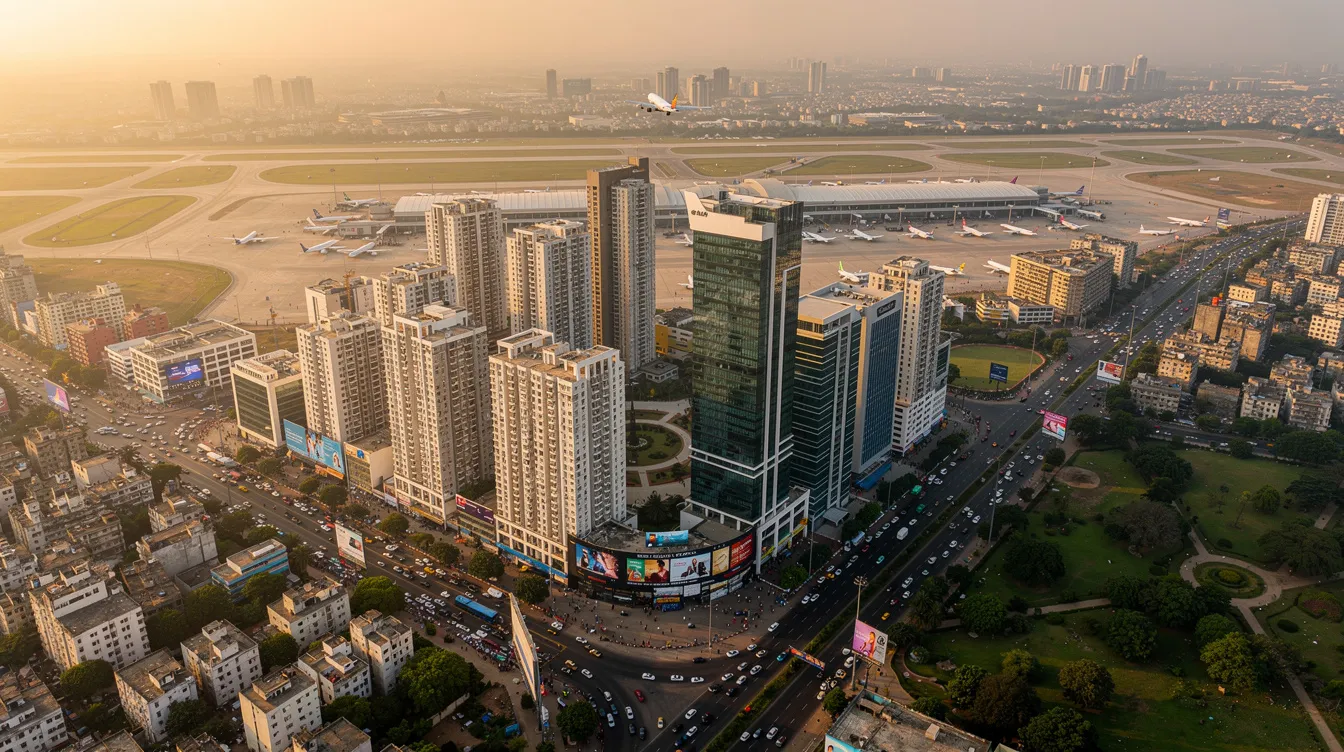
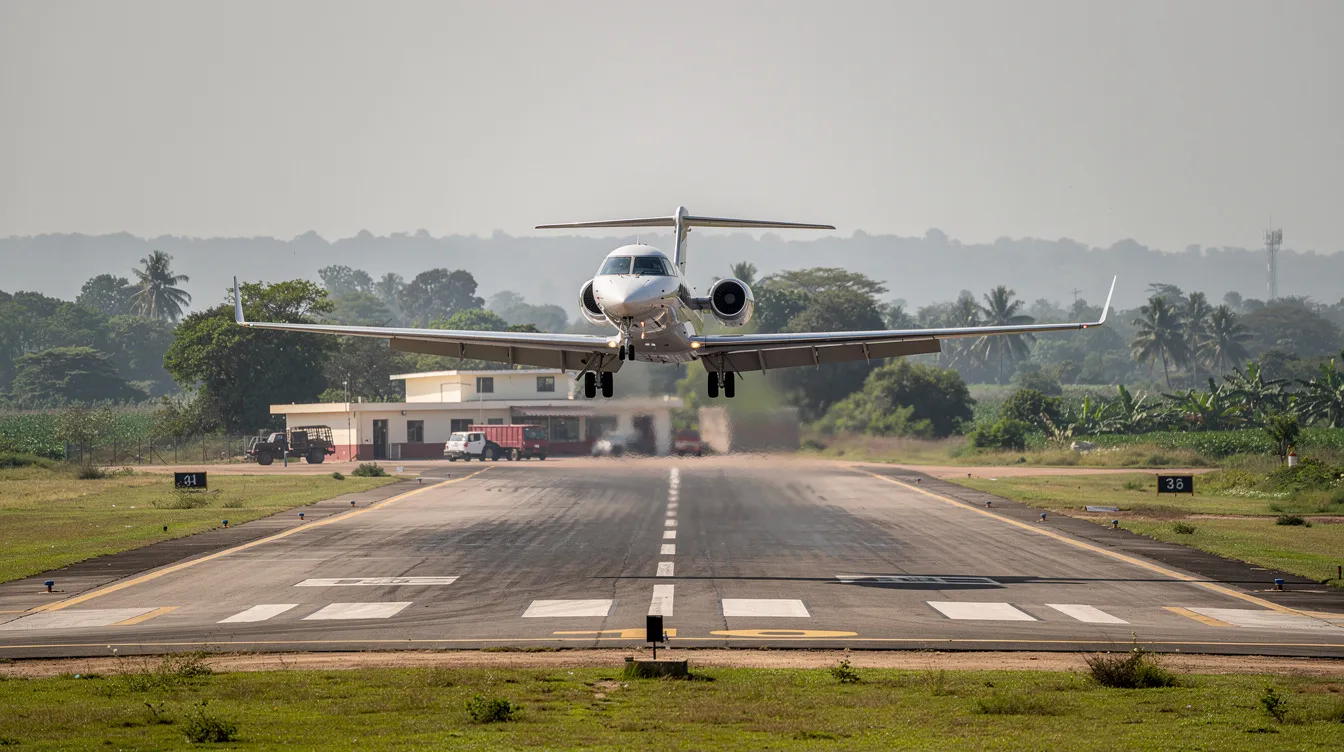
India's private aviation infrastructure continues to expand across metro hubs and an increasing tier-2 and tier-3 network suitable for turboprops, very light jets, and light jets. Private jets offer direct flights to smaller airports that commercial flights often do not serve. Private jets can access over 3,000 airports worldwide, far exceeding the network available through commercial air travel.
Major departure hubs for private jets in India include:
Mumbai (BOM)
Delhi (DEL)
Bengaluru (BLR)
Hyderabad (HYD)
Chennai (MAA)
Several of these offer dedicated general aviation terminals or private lounges. Travelers using these hubs bypass crowded airports and the friction of crowded terminals.
Important regional airports and tier-2 cities frequently served by private jets include:
Jaipur (JAI)
Ahmedabad (AMD)
Kochi (COK)
Indore (IDR)
Coimbatore (CJB)
Lucknow (LKO)
Turboprops and light jets are often ideal for these smaller regional airports due to runway length and economics. Popular private jet corridors from India span domestic routes (Delhi–Mumbai, Mumbai–Bangalore, Bangalore–Hyderabad, Delhi–Udaipur, Mumbai–Goa) and international routes (Mumbai–Dubai, Delhi–Dubai, Delhi–Singapore, Mumbai–London, Delhi–Zurich, India–Maldives).
Private aviation continues to grow in India, and FLYT's global reach means members can start or end trips in India but operate seamlessly across continents without needing different local charter operators in each region. Private jet sharing reduces overall expenses by splitting costs among traveling parties on the same seat allocation.
FAQ: Private Jet Price and Membership in India
Is it cheaper to buy a private jet in India or keep chartering?
Ownership usually becomes economically interesting only above ~300–400 flight hours per year and when the owner is comfortable tying up ₹30–500+ crore in a non-core asset. For many Indian business leaders flying 50–250 hours annually, a mix of private jet rentals or a membership model like FLYT—with fixed hourly rates and no purchase—typically results in lower total cost and less administrative overhead than ownership. Consider both direct costs (fuel, crew, maintenance, operational expenses) and indirect factors like opportunity cost of capital, management time, and residual value risk.
How far in advance should I book a private jet flight in India?
In India, 24–72 hours' notice is usually sufficient for standard domestic routes like Delhi–Mumbai or Bangalore–Hyderabad, though peak periods may require earlier planning. Ultra-long-range or complex international flights (e.g., Mumbai–New York) benefit from at least 5–7 days' notice for optimal pricing, permits, and slot availability. FLYT members can typically secure aircraft faster due to access to a broader floating fleet and pre-agreed pricing.
What hidden costs should I watch for in private jet pricing in India?
Common "surprise" items include aircraft positioning and de-positioning legs if the jet is not already at your departure airport, airport and parking fees (including hangar fees) at congested hubs during night hours, crew overnight expenses on layovers, premium catering, Wi-Fi overuse on international flights, and special ground transport. Always ask any provider for a fully itemized quote in rupees that clearly separates base hourly rate, taxes, and variable charges. FLYT's transparent, fixed hourly model is designed to minimize opaque surcharges.
Can I share a private jet in India to reduce my cost?
Formal "seat-sharing" marketplaces exist only on select routes and are still developing in India, but cost-sharing within a known group—partners, family offices, portfolio companies—is common and fully feasible. Many corporate groups use one private flight to serve multiple meetings or teams on a single itinerary, effectively lowering the per-person cost versus buying multiple commercial business-class tickets as a form of luxury travel optimization. FLYT focuses on whole-aircraft access, and members can structure internal cost allocation and passenger sharing as they see fit.
How does FLYT differ from a traditional jet card for Indian travelers?
Typical jet cards sell blocks of hours on a limited fleet, often region-specific, with blackout dates and variable surcharges. FLYT positions membership as a more flexible, asset-light alternative: fixed hourly rates across cabin classes, access to a global floating fleet with strong coverage for India–Middle East–Europe–US travel, and the ability to interchange between light jets, midsize jets, and ultra-long-range aircraft as trip profiles change. For India-based executives with multi-region travel patterns, this delivers more operational flexibility and cleaner budgeting than region-locked jet cards. Explore how FLYT structures private aviation memberships for India-based clients seeking strategic cost control.
For personalized assistance, contact FLYT.
Conclusion: A Smarter Approach to Private Plane Prices in India with FLYT
Navigating private plane prices in India requires more than comparing ticket costs—it demands a strategic view of capital allocation, operational efficiency, and travel flexibility. For high-net-worth individuals and executives, ownership often ties up significant capital and adds complexity, while an ad hoc charter can bring unpredictable costs and limited availability.
FLYT’s membership model offers a smarter alternative by providing fixed hourly rates, access to a diverse global floating fleet, including large aircraft like the Boeing Business Jet, and concierge-level support. This asset-light approach delivers predictable costs and flexible aircraft interchange, allowing members to optimize their travel based on mission requirements without ownership burdens.
By choosing membership with FLYT, travelers can provide significant savings over traditional ownership or charter models while maintaining premium service and global reach. For those seeking efficient, transparent, and flexible private aviation in India, FLYT represents a modern solution aligned with the needs of today’s discerning travelers.
Discover how FLYT can transform your private aviation experience—explore membership options designed around operational intelligence and financial clarity.