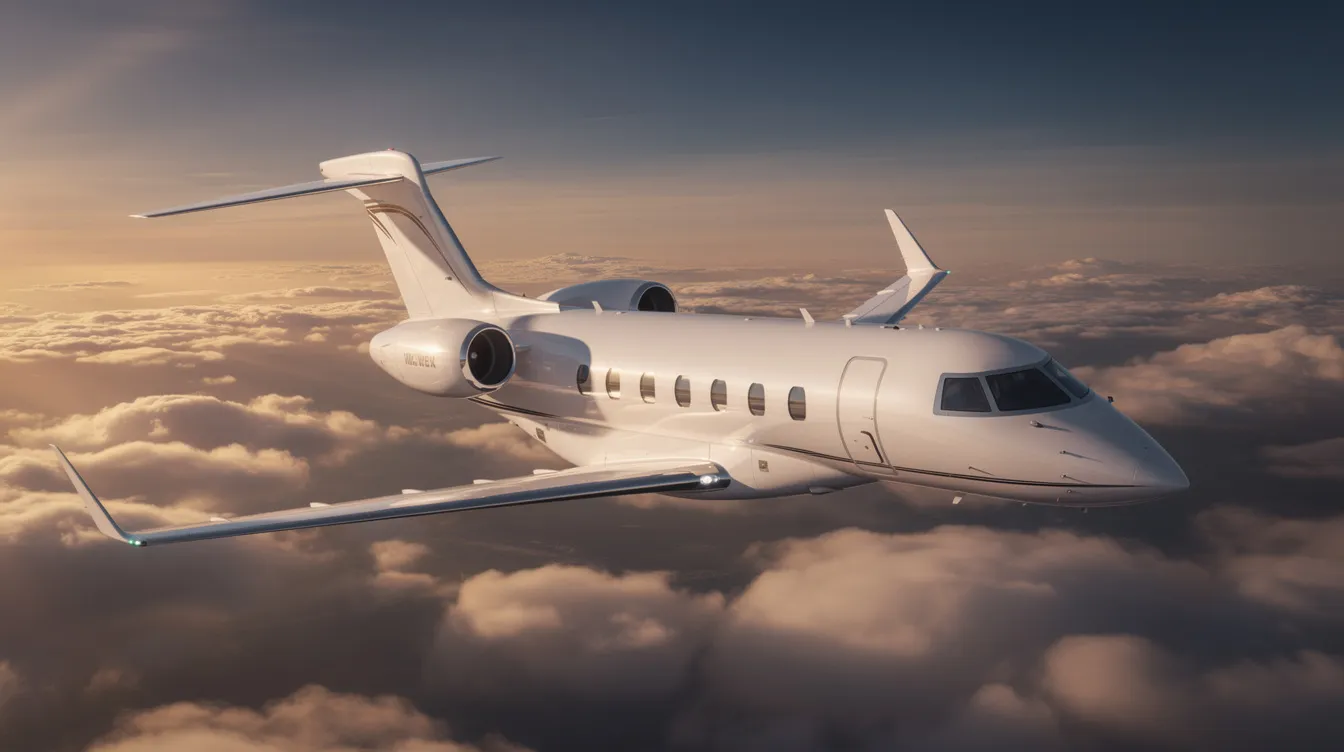
Buying a seat on a private plane no longer requires chartering the entire aircraft or committing to fractional ownership. In 2026, membership platforms like FLYT make it possible to access private jet seats on shared flights, dedicated charters, and opportunistic empty-leg routes, all with predictable costs and concierge-level support.
This guide is for business travelers, families, and anyone interested in accessing private jet travel by the seat. Understanding these options can help you save time, money, and maximize the value of private aviation.
Here is how the process works and what to consider before you book.
Key takeaways
You can buy a single seat on shared private charters or access the entire aircraft at fixed hourly rates through a membership model like FLYT.
Options include scheduled shared routes, full private charter, and empty leg flights, each with different pricing, flexibility, and availability trade-offs.
A risk pool model can help mitigate costs for members of private aviation services, while fleet interchange lets you move between light jets, midsize jets, and larger cabins trip by trip.
Membership models in private aviation offer fixed hourly rates and global access without the capital burden of ownership or long-term jet card contracts. Learn more about how it works.
This article compares aircraft types, outlines the booking steps, and provides practical guidance on maximizing value when flying private.
Why booking a single seat on a private plane is different in 2026
Private aviation demand surged between 2020 and 2024, driven by health concerns, schedule flexibility, and growing frustration with commercial airline disruptions. By 2026, the market will have stabilized into more efficient, membership-driven models. Jet card hourly rates rose only about 1.7% year-over-year in 2025, lagging behind inflation, while peak-day restrictions dropped from roughly 55 days to around 35.
Travelers can now buy just one seat on a private jet instead of chartering the whole plane, particularly on popular business and leisure routes like New York to Miami or London to Zurich. This shift favors founders, executives, and families who want the benefits of private air travel without long contracts or ownership headaches, while opening up more of the world to flexible travelers.
Flying privately eliminates airport queues and rigid schedules. Private flights can save up to two hours per trip by avoiding long security lines, and they allow travelers to avoid layovers and often enable same-day round trips. The appeal is operational, not ornamental.
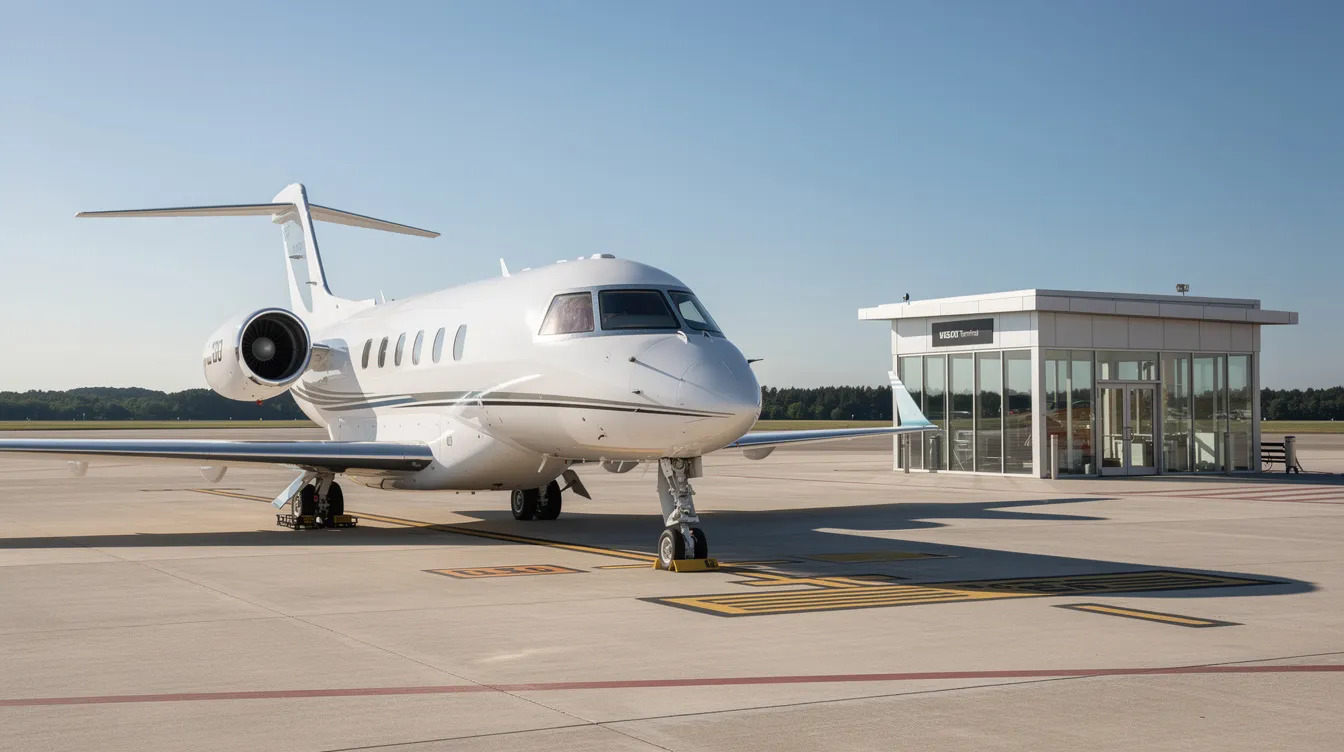
Understanding your options: seat on a private jet vs entire aircraft
Before you book, it helps to understand the main ways to fly private in 2026 from a seat-booking perspective:
Shared private charters: shared jet services sell individual seats on private flights, letting you pay only for your seat on a flight already operating.
Full private charter: you rent the entire aircraft and control the schedule, routing, and cabin.
Semi-private shuttles: fixed departure times, shared cabin, private terminals, and per-seat pricing on popular corridors.
Membership-based access: platforms like FLYT match members to shared flights or dedicated charters as needed, using a floating, asset-light fleet and risk pool model.
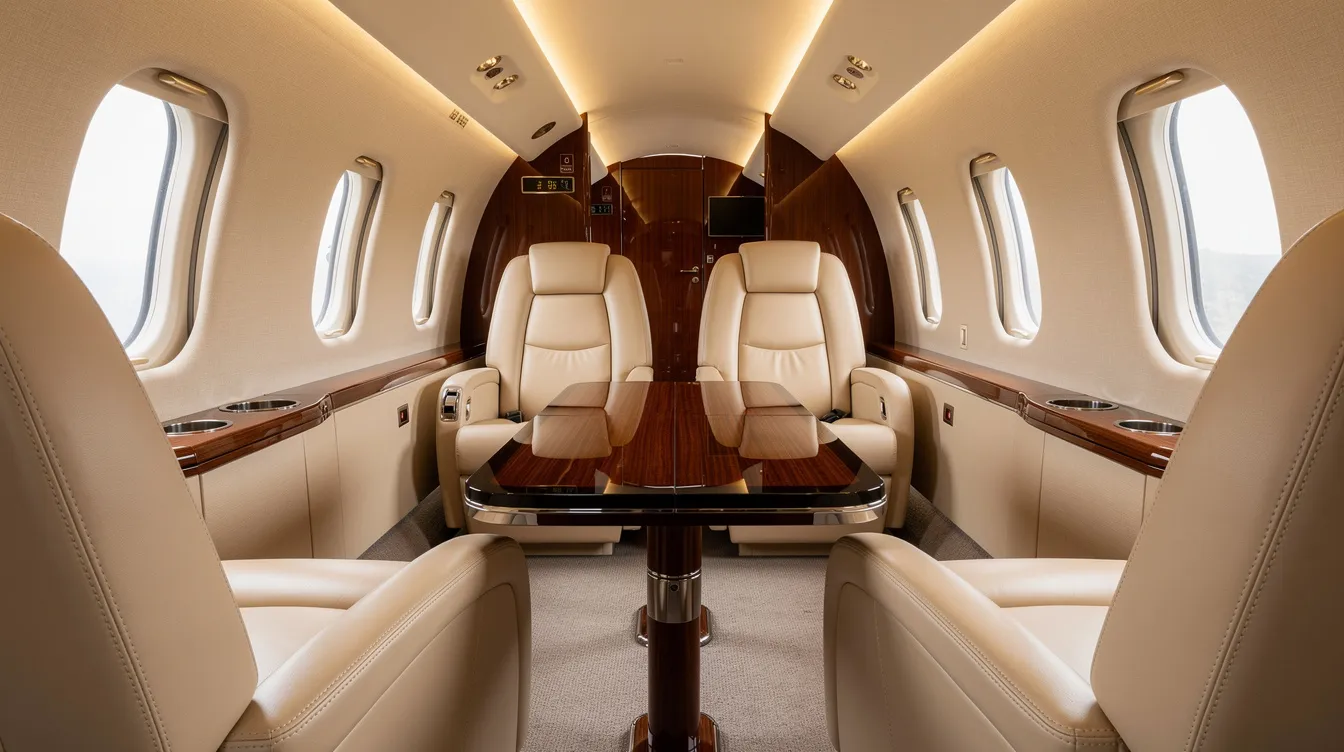
When buying an individual seat makes most sense: solo travelers or couples on fixed corridors. When chartering, the entire aircraft is better for teams, families, or complex itineraries. The entire cabin of a private jet serves as a private space for meetings and comfort, so groups often benefit from booking the full plane. Private aircraft can access many airports that commercial airlines cannot serve, giving both models an advantage over commercial travel.
Types of flights where you can buy a seat
Below are the main types of flights where you can buy a seat on a private plane:
Scheduled shared routes: Regular leg flights between city pairs such as Los Angeles to Las Vegas or New York to South Florida, where you purchase a seat per leg.
Semi-private services: Operated like shuttles with fixed departure times, shared cabin, private terminals, and per-seat pricing. Semi-private flights allow individuals to buy a seat on scheduled private jet routes.
Membership-curated opportunities: Platforms like FLYT curate seat opportunities for members, including access to partner shared flights and member-only shuttles.
Surplus capacity releases: Some operators release individual seats on late-available private charters when surplus capacity exists on a flight already operated for another client.
Booking a seat on a private plane can be done through semi-private flights or empty leg flights. You can book individual seats on shared flights through most of these channels.
Empty leg, empty leg flights, and what they mean for seat buyers
An empty leg is a repositioning flight flown without booked passengers after a one-way private charter. These flights occur when jets reposition without passengers, and they are typically one-way and discounted.
Empty leg flights can save up to 75% on private jet travel compared to standard charter rates because the aircraft is already moving. Many empty leg charter flights are sold as the entire aircraft, but some platforms and memberships allow per-seat access when demand supports it. You can find empty leg deals on various private jet websites, including marketplace platforms like EmptyLegFinder.aero, which launched in early 2026 with over 1,400 listings.
Booking empty leg flights requires flexibility in travel plans. Departure times can shift, and routings may change based on operational demands. These flights work best for flexible travelers who can adapt to short-notice changes in date, time, or destination.
Choosing the right aircraft: light jets vs midsize jets and beyond
Aircraft type drives not only comfort but also pricing per seat and route range. FLYT's fleet interchange feature lets members optimize aircraft choice per trip instead of being locked into a single jet size. Fixed hourly rates are tied to a category, which makes budgeting per seat or per leg of a flight clearer.
Light jets accommodate up to 7 passengers. Midsize jets can serve up to 9 passengers. Heavy jets can carry up to 19 passengers and are designed for long-haul flights.
Aircraft type | Passenger capacity | Ideal range (hours) | Typical use case | Hourly rate range (2026) |
|---|
Light jets | Up to 7 | 2-4 | Short regional trips | $8,000 - $9,000 |
Midsize jets | Up to 9 | 3-5 | Medium-range business or family trips | $9,000 - $12,000 |
Heavy jets | Up to 19 | 6+ | Long-haul, international travel | $12,000+ |
Light jets: efficient seats for shorter legs
Light jets are ideal for shorter trips, covering missions of two to four hours, such as Chicago to Dallas or London to Madrid. Per-seat pricing on light jets can be attractive on dense routes where the aircraft frequently operates shared flights.
Hourly rates for light jets sit around $8,000 to $9,000 in 2026, making them the most cost-effective way to fly private for regional hops with one to three passengers. Cabin features typically include club seating, compact luggage space, and limited standing height. Under FLYT's membership, light jets are often the most efficient option for frequent regional trips.
Midsize jets: more space, range, and seat flexibility
Midsize jets are the sweet spot for many business and family missions. They comfortably seat six to nine passengers with more range and baggage capacity. Common trip examples include New York to Aspen, Los Angeles to Cabo, or London to Athens.
Per-seat economics on midsize jets can be compelling for teams or families: the cost per passenger can rival or beat multiple last-minute business-class fares. Larger jets and super midsize aircraft add stand-up cabins, enclosed lavatories, and better ride quality on longer flights. FLYT members can upsize from light to midsize jets when they need extra seats without renegotiating contracts, thanks to fleet interchange.
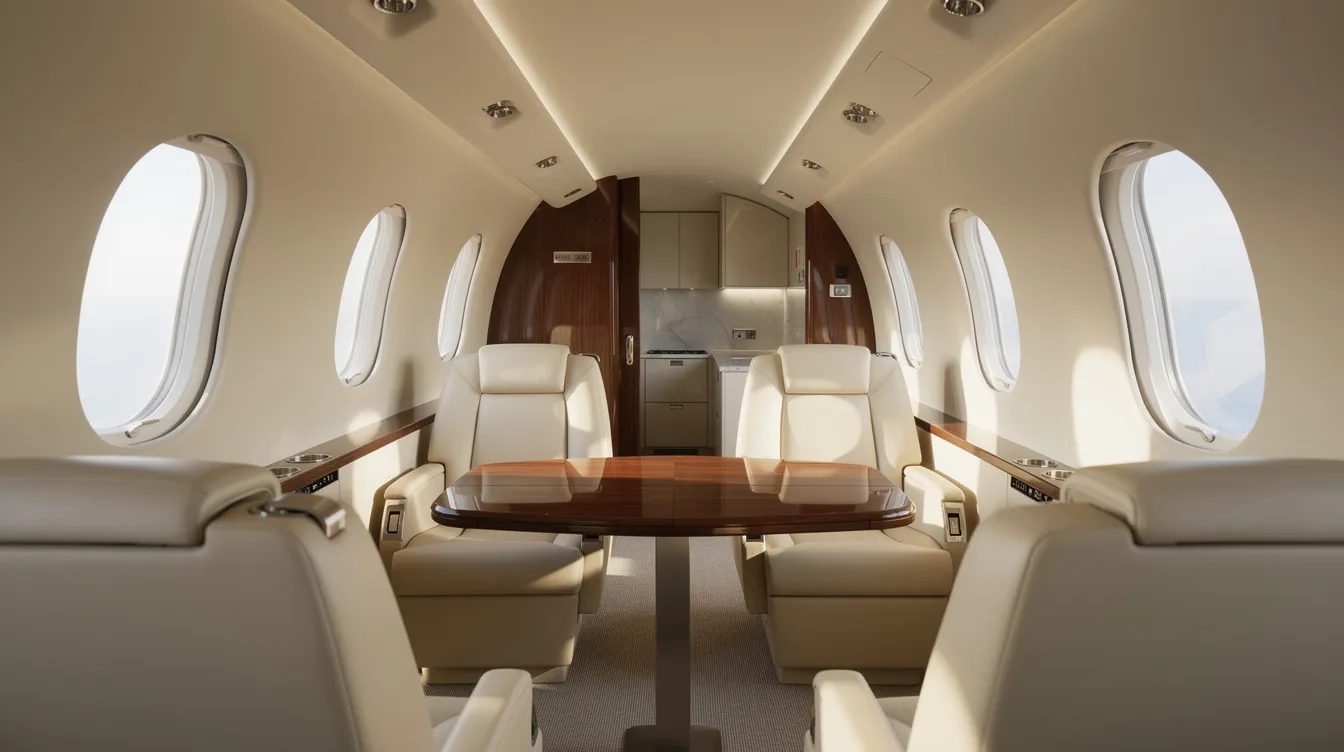
How to book a seat on a private plane with FLYT
FLYT operates as a private charter membership platform, not a direct air carrier or public airline. Access is via membership rather than open seat sales. Members can request a seat on an existing shared flight, create their own private charter, or ask the concierge team to propose the most efficient option.
To book a seat on a private plane with FLYT, follow these four steps:
Define your mission and passenger profile
Start by mapping the mission: origin, destination, date, preferred departure window, and whether the trip is one-way or round-trip. Specify the number of passengers, including children and support staff, and note any special baggage such as golf bags or ski equipment.
This information determines whether a seat purchase on a shared flight, chartering the entire aircraft, or a combination makes sense. FLYT members can share typical annual travel patterns to help optimize membership usage. Corporate clients should identify which executives or teams will primarily use the service so that seating plans and preferences can be stored.
Choose between per-seat access and a full private charter
For single travelers on common routes, FLYT's team may first look at shared or shuttle-style options where you only pay for your seat. When multiple passengers are traveling together, chartering the same aircraft can deliver better per-person value and greater schedule control.
The decision also depends on flexibility: shared flights run on fixed times, whereas full private charters are tailored around your calendar. FLYT's platform presents both options when available, with a clear comparison of total cost, per-seat equivalent, and timing. Costs associated with chartering include fueling, crew, and landing fees, so the full picture matters more than the hourly rate alone. Learn more about pricing and charter volatility protection.
Review aircraft options, flight details, and pricing
Members can see proposed aircraft categories along with cabin layouts, seat counts, and fixed hourly rates. Cross-check flight details: departure airport, estimated block time, and any fuel or tech stops on longer routes.
FLYT's concierge will flag if a smaller jet would be more economical or if a midsize cabin is advisable due to weather, runway, or baggage needs. All safety-critical information, including operator certifications, crew experience, and aircraft age, can be requested before confirming. Mobile apps simplify booking private jet seats and reviewing these details on the go.
Confirm, pay, and share your seat information
Once the member selects an option, they confirm the itinerary, passenger list, and any catering or ground-transfer requirements. Payment is processed according to the membership structure, typically against pre-funded hours or via agreed fixed hourly rates with transparent invoicing.
Seat assignments in private jets are informal, but preferences like facing seats or work tables can be recorded with FLYT. The process is typically faster and more direct than booking complex commercial itineraries.
Using empty leg flights and dynamic availability to your advantage
Members can strategically use empty leg and short-notice availability to reduce cost while still flying private. Empty leg flights are most common on one-way missions where the aircraft must reposition, such as New York to Palm Beach or London to Nice.
Some of these flights can be booked by FLYT members at attractive fixed hourly rates for the entire aircraft, or occasionally on a per-seat basis at a discounted rate. The trade-off for savings is flexibility. View empty leg flights as opportunistic enhancements rather than the backbone of a time-critical travel program.
How FLYT members can access and evaluate empty leg opportunities
FLYT can proactively notify members when empty leg flights align with their saved routes or preferred destinations. Members can ask their concierge to compare an empty leg option to a standard private flight on the same date in terms of cost, timing, and risk.
For example, a discounted leg flight from Los Angeles to Denver might appear 24 to 48 hours before departure at unbeatable prices compared to chartering on demand. Corporate travelers should prioritize reliability over savings for board meetings or investor roadshows, using empty legs mainly for discretionary trips.
Safety, standards, and what your seat on a private jet includes
Even when buying a single seat, you are flying on an aircraft that meets rigorous private aviation standards. FLYT works with vetted operators who comply with recognized safety audits and regulations in their respective regions, such as Part 135 in the U.S. All operators in FLYT's network are carefully screened.
Private jets often cruise at higher altitudes and speeds than commercial aircraft, contributing to smoother, faster flights. Private jets can land at smaller airports closer to final destinations, reducing ground transfer time.
What to expect from check-in to landing
Passengers can arrive at private terminals only 10 to 20 minutes before departure. There are no long lines, standard TSA queues, or crowded boarding gates when you depart from an FBO, even on shared-seat flights.
In a shared cabin environment, etiquette is straightforward: low phone volume, considerate workspace use, and professional interactions with other passengers. On landing, passengers typically disembark directly to waiting ground transport, often arranged through FLYT's concierge team. The focus is on time saved and the convenience of a predictable journey.
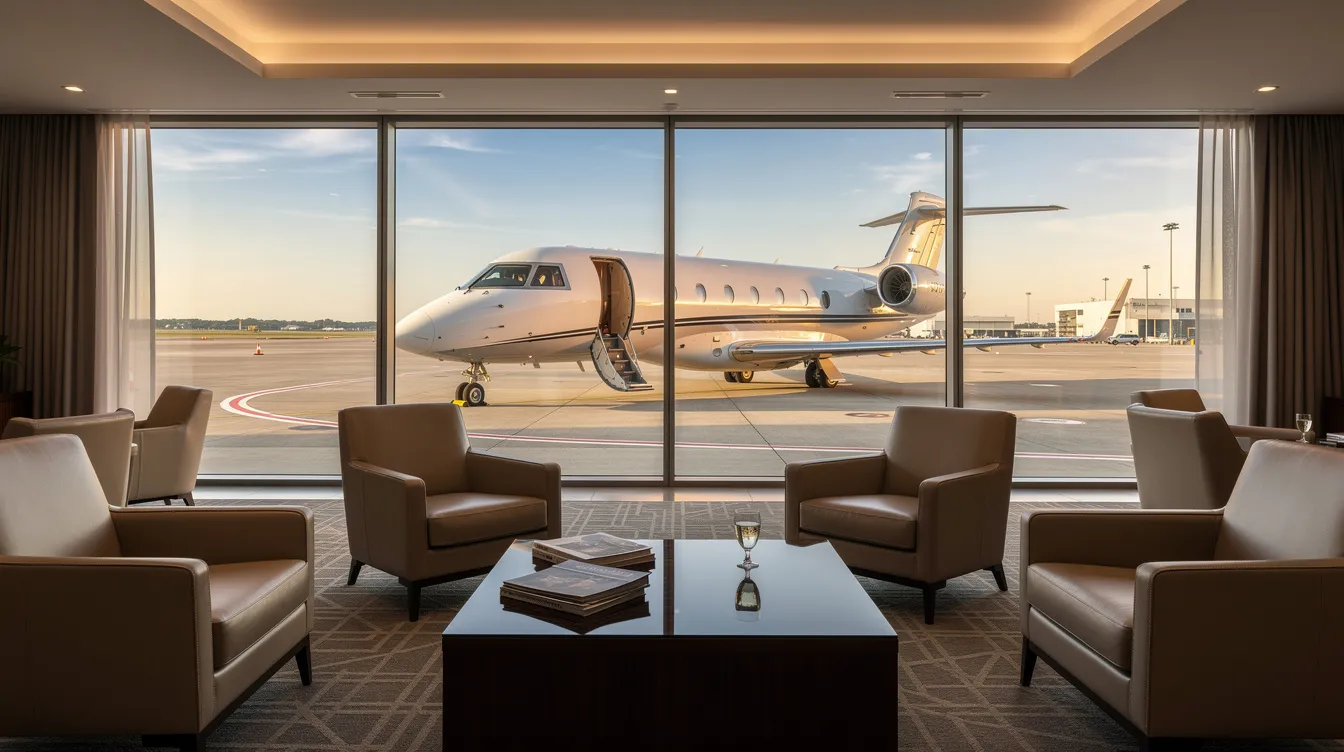
Cost structure: what a seat on a private jet really costs in 2026
The average cost of a private jet seat ranges from $1,000 to $10,000, depending on route density, aircraft type, and advance booking. Charter costs of private jets can be significantly higher than commercial flights, but private aviation offers luxury, efficiency, and flexibility that commercial aviation cannot match.
Private aviation pricing is generally transparent when using membership-based models like FLYT's. Fixed hourly rates within the membership make budgeting more predictable than ad hoc, one-off charter quotes from charter jet airlines. Frequent travelers can compare their annual commercial spend against a structured private charter membership to determine value. The most meaningful savings often come from reduced hotel nights, shorter trip durations, and better use of executive flight time.
How membership changes the economics of buying a seat
Membership smooths out price volatility by locking in hourly categories, enabling clearer per-seat or per-trip planning across the week or the year. An asset-light model reduces the financial burdens associated with aircraft ownership, and membership programs can provide discounts on private jet seats through volume and network access.
FLYT's model avoids the capital drain and depreciation of owning an aircraft or buying into fractional ownership, which allows shared access to private jets but demands significant upfront capital. Booking at least one week in advance is recommended to secure optimal aircraft and pricing. Corporate readers should think in terms of cost per productive hour saved rather than simply ticket price versus business class.
Making the most of every private jet seat
To maximize each seat you book on a private plane, consider consolidating meetings into single-day trips enabled by private schedules. Align internal company calendars with common routes so that multiple team members can share space on the same aircraft and spread the cost per seat. Shared jet services allow booking individual seats at lower rates, so explore whether colleagues traveling the same corridor can coordinate.
Save preferences with FLYT: cabin layouts, catering, connectivity needs, and ground transport routines. Work with FLYT's concierge team well ahead of peak periods such as major conferences, school holidays, and large sports events to ensure availability. sports
When a membership-based private charter model is the right choice
A structured membership like FLYT is particularly effective when you fly 25 to 100 private flight hours per year, travel across multiple cities for business, or maintain recurring family routes. Private jet membership offers flexible access without full ownership, and the service adapts to your schedule rather than the other way around. Learn more about the advantages of membership.
Compared with fractional ownership, membership avoids long-term capital lock-up and exit complexity. See detailed comparisons on FLYT vs fractional ownership, FLYT vs jet cards, and FLYT vs brokers. Occasional flyers may still use ad-hoc private charters or opportunistic empty leg flights, but frequent users benefit from the discipline of a membership that is designed to be a good option for consistent, efficient private travel.
Explore how FLYT's membership model can simplify your approach to private jet travel across more of the world.
Frequently asked questions about buying a seat on a private plane
Can I always buy just one seat on any private jet flight?
Not every private charter is sold by the seat. Many flights are still sold as the entire aircraft at a fixed hourly rate. Per-seat access tends to appear on high-demand routes, scheduled shuttles, or select shared services curated for members. Fewer seats are available on less-trafficked city pairs. FLYT can advise whether a specific itinerary is better served by a seat on a shared leg or by chartering the whole plane. Even in shared scenarios, the experience remains far more streamlined than commercial flying.
How far in advance should I plan when I want a private jet seat?
Seven to fourteen days' notice usually gives strong availability for both seats and full private charters, especially on common corridors. Major events and holiday periods can require planning several weeks or months ahead. Last-minute trips are still possible, but options may narrow and reliance on empty leg flights or specific aircraft types may increase. FLYT members should share expected travel calendars early so the concierge team can secure optimal aircraft and schedules.
Are seats on private jets suitable for families with children?
Families frequently use private charters and shared flights, including those with infants and young children, subject to safety requirements. Seating can be arranged to keep families together, and child seats or bassinets can often be accommodated with advance notice. Private terminals and rapid boarding reduce stress for traveling with children compared with conventional airport experiences.
Can I work securely and privately if I only book one seat?
Even on shared flights, the cabin environment is typically quieter and more business-focused than commercial cabins. Full privacy is maximized when chartering the entire aircraft, which allows confidential conversations and document work. Many jets are equipped with Wi-Fi and power outlets, and FLYT can recommend aircraft with the right amenities and connectivity features for remote work. Executives handling highly sensitive discussions should request a full-aircraft charter for those missions.
How does FLYT differ from traditional charter brokers and jet cards?
FLYT operates as a membership-based private aviation platform with fixed hourly rates and a floating, asset-light fleet model. Unlike one-off brokers or public charters, FLYT focuses on long-term member relationships, predictable pricing, and fleet interchange rather than single-transaction quotes. There are no large upfront capital commitments or multi-year contracts. FLYT is a strategic partner for frequent flyers in the industry who want operational efficiency and access without the burden of aircraft ownership, operated by pilots and operators who meet rigorous standards. Visit FLYT FAQ or contact us for more information.
Conclusion
Booking a seat on a private plane in 2026 offers a strategic, flexible alternative to traditional ownership or full charter arrangements. Membership platforms like FLYT provide access to private jet seats with transparent pricing, fixed hourly rates, and concierge-level service, all supported by an asset-light, floating fleet model. This approach delivers operational efficiency, global reach, and predictable costs without the capital burden of owning an aircraft.
Whether you choose shared private charters, semi-private shuttles, or opportunistic empty-leg flights, leveraging membership benefits maximizes value and simplifies private aviation. For executives, founders, and frequent flyers seeking smarter travel solutions, FLYT’s model balances premium experience with less complexity, enabling you to focus on what matters most—your time and productivity.
Explore how FLYT’s membership can transform your private aviation experience and discover a more flexible, transparent way to fly private without ownership headaches.