Private jet packages in 2025–2026 look nothing like the rigid ownership or per-trip charter models that dominated private aviation for decades. Today, the most efficient way for executives, founders, and families to access private jets is through structured membership programs that combine predictable pricing, aircraft flexibility, and global reach without requiring anyone to buy or operate an aircraft. This article breaks down how modern private jet packages work, what they cost, and how FLYT builds them around the way members actually fly.
Key takeaways
Private jet packages at FLYT are membership-based solutions that bundle predictable hourly rates, global access, and concierge support without requiring aircraft ownership or long-term lockups. Private jet memberships typically require no long-term commitments, giving members the freedom to scale access as needs change.
Most meaningful packages are built around aircraft types - light jets for short regional flights, super midsize for transcontinental trips, and ultra long range for intercontinental missions - along with usage patterns and route profiles, not generic one-size-fits-all tiers.
FLYT's fixed hourly rates, transparent treatment of federal excise tax and short leg fees, and asset-light floating fleet model create a more predictable private jet cost than traditional on-demand charter. Membership programs provide flexible access without ownership costs.
Private jet packages can be optimized for business travel, family travel, or global executive routes, and they compare favorably to commercial flights, jet cards, and fractional ownership when matched to the right usage profile.
Readers can explore a FLYT membership to design a tailored private jet package with fleet interchange, global access, and concierge itinerary management.
What is a private jet package today?
In 2025–2026, when someone refers to private jet packages, they're usually talking about structured access - a membership, jet card, or subscription - rather than booking a single charter flight on an ad hoc basis. The market has shifted because frequent private flyers want predictability and flexibility, not just a plane when they call.
A typical package bundles several components: a defined number of flight hours, fixed hourly rates organized by aircraft category, a service level that includes concierge support and availability guarantees, and geographic coverage that can range from domestic to global. These components create a bounded commitment that helps members forecast costs across quarters and fiscal years.
The contrast with a one-off private charter is straightforward. Private jet charter is transactional. You request a flight, receive a quote, and the price can shift based on fuel prices, aircraft positioning, peak-day surcharges, and whatever the charter operator has available that day. There's no continuity, no rate protection, and no operational relationship that improves over time. A private jet package, by contrast, is designed for repeat flyers with regular travel patterns who benefit from consistency and known billing.
Private jet membership offers access to over 20,000 aircraft globally, which means members aren't limited to a single fleet or operator. Users can book private jets without long-term commitments through digital platforms that simplify the process. FLYT's approach centers on access over ownership: an asset-light model where packages are configured around real usage - actual routes, actual hours, actual aircraft needs - rather than marketing tiers that look clean on a brochure but don't match how anyone actually flies.

How the private jet cost is structured in modern packages
Private jet pricing within a structured package is typically built from a base hourly rate plus applicable taxes and defined surcharges. The goal is to move away from the opaque "all-in" numbers that characterize many one-off charter flights, where the final invoice can diverge significantly from the initial quote.
Here are the core cost components:
Base hourly flight rate, which varies by aircraft size and category
Federal excise tax (7.5% on U.S. domestic legs)
Segment and landing fees are charged per sector
Fuel surcharge, which can fluctuate with market fuel prices
Aircraft positioning (ferry) fees when the jet needs to reposition to your departure point
Short leg fees on very brief flights, where setup costs are disproportionate to flight time
Crew-related costs for overnight stays, long-range legs, or international missions
Private jet rental costs range from $2,000 to $14,000 per hour, depending on aircraft type and mission. To break that down by category in the current market:
Aircraft category | Typical hourly rate (USD) | Typical range (nautical miles) | Typical passengers | Use case example |
|---|
Turboprop | $2,000 - $2,300 | Up to 1,200 | 6-9 | Short regional flights, small airports |
Light jets | $3,000 - $4,000 | Up to 1,500 | 4-7 | Regional hops, quick point-to-point |
Super midsize jets | $5,000 - $7,000 | 3,000 - 4,000 | 7-9 | Transcontinental U.S. flights |
Large jets | $7,200 - $9,500 | 4,000 - 6,000 | 10-13 | Long domestic or short international |
Ultra-long-range jets | $10,000 - $14,000 | 6,000+ | 12+ | Intercontinental, nonstop global travel |
Charter costs include a 7.5% federal excise tax on domestic flights, applied on top of the base rate.
Private jet rentals include crew, fuel, and insurance in pricing, though how these are broken out varies by provider. Membership structures help by locking in base hourly rates for a term - often 12 to 24 months - and defining or capping surcharges so the gap between quoted and invoiced cost narrows considerably.
To put this in concrete terms: a 2-hour light jet flight between New York and Boston might carry a base charge of roughly $7,000 to $8,000, plus FET and landing fees, totaling around $9,000 to $10,000 depending on the operator. A 7-hour ultra-long-range flight from Los Angeles to London could start at $70,000 to $98,000 in base charges alone, with international handling, permits, and fuel surcharges adding 20 to 40 percent on top. A transparent pricing structure within a package makes these numbers knowable before the trip, not after.
Types of private jet packages by aircraft category
Most structured private jet packages are oriented around the aircraft categories that clients use most. The right aircraft for a 400-mile regional hop is not the same as the right aircraft for a nonstop transatlantic crossing, and a well-designed package reflects that reality. Aircraft can be selected to match the mission from small to heavy jets, and packages should map to aircraft performance and range rather than arbitrary tiers.
Light jets
Light jets like the Citation CJ2 have a range of 1,500 nautical miles, making them well-suited for regional missions of roughly 500 to 1,500 miles. They typically seat four to seven passengers and work best for point-to-point trips within a region - the Northeast corridor, Texas triangle, or similar domestic clusters. Very light jets accommodate two to four passengers for short flights where a full cabin isn't needed.
Package hours built around light jets tend to carry lower hourly rates and smaller minimum pre-purchased hour blocks. The risk to watch: short legs cost more proportionally because the setup, climb, and descent phases eat into a brief flight time. Package design can minimize this by standardizing daily minimums or routing multiple legs efficiently. Light jets equipped with modern avionics make quick regional turns safe and efficient, even into smaller airports.
Super midsize jets
The super midsize category serves as the workhorse for U.S. coast-to-coast and transcontinental segments. With a flight distance capability of 3,000 to 4,000 nautical miles, a super midsize jet can handle New York to Los Angeles, Miami to Las Vegas, or Fort Lauderdale to Denver without a fuel stop. These aircraft balance cabin comfort with operational efficiency, typically seating seven to nine passengers with enough room to work or rest during longer flights.
Packages for super midsize aircraft often balance range, aircraft size, and hourly rates for both executive and family use. Features often include advanced entertainment systems and secure Wi-Fi, making them productive environments for working executives.
Large jets and ultra-long range
Heavy jets can fly nonstop for distances over 8,000 miles, opening up routes like New York to London, Los Angeles to Tokyo, or Dubai to major hubs across Europe. Ultra-long-range jets like the Gulfstream G550 can fly twelve or more passengers in a larger aircraft configuration with separate cabin zones. These are the aircraft for long-haul missions where nonstop capability and cabin space matter.
Packages that include ultra-long-range jet access typically carry higher hourly rates and require careful attention to crew member rest requirements, fuel stops, and international permits. The value comes from having occasional access to these aircraft without bearing the full-time costs of ownership - acquisition, hangar, crew salaries, and maintenance - which can exceed several million dollars annually for a single heavy jet.
Designing a private jet package around your actual flying
The most efficient private jet package is built backward from data. Not from a brochure, not from a sales pitch, but from a clear picture of how you actually travel over a 6 to 24-month period.
Start with the core variables:
Annual or quarterly flight hours
Preferred departure cities and regional airports
Typical advance booking lead time
Passenger count per trip
A mix of domestic flights versus international travel
Ratio of business versus personal or family travel
Requirement for flexibility on peak days or last-minute scheduling
FLYT uses a risk pool model and a floating, asset-light fleet to match these variables. Instead of forcing members into rigid blocks of hours tied to a single aircraft type, the model pools demand across a vetted global network to improve aircraft availability and reduce positioning waste. Travelers can set their own schedules and fly to smaller regional airports that commercial carriers don't serve.
Fleet interchange is the key design feature. Under the same membership framework, you can use a light jet for a short leg - say, Dallas to Houston - and then tap into a super midsize for New York to San Francisco, or an ultra long-range jet for Miami to São Paulo, all billed at the fixed hourly rate for the aircraft class actually flown.
Consider a concrete scenario. A founder flying 130 hours per year: 80 hours of domestic travel across multiple short legs, 40 hours of coast-to-coast segments, and 10 hours to Europe. Under ad hoc private jet charter, the blended cost across various routes and charter options might total well over $1 million annually, with significant variability from trip to trip. A membership-based package with 140 to 150 hours pre-committed across categories, fixed hourly rates, and capped surcharges could reduce the effective average cost by 10 to 25 percent while delivering better availability and more predictable budgeting. The time savings alone - skipping connections, eliminating hotel overnights, compressing multi-city days - compound the financial case.
Membership-based private jet packages vs other models
Private jet packages generally fall into four main categories: full ownership, fractional ownership, jet cards, and membership-based platforms. Each model has a distinct cost structure, risk profile, and operational fit.
Fractional ownership
Fractional ownership gives guaranteed access to a jet with aviation management handled by the fractional provider. You purchase a share - typically a 1/16 or 1/8 interest - in a specific aircraft type. The upside includes guaranteed availability, potential tax and depreciation benefits, and residual asset value. The downside is significant: high upfront capital (a 1/16 share in a light jet can cost $300,000 or more), ongoing monthly management fees, crew salaries, depreciation risk, and limited aircraft options unless you buy into multiple programs. Fractional ownership provides guaranteed access alongside traditional asset ownership, but it locks capital into a depreciating asset that may not align with how your travel needs evolve. FLYT offers a different approach compared to fractional ownership that avoids these capital commitments. Learn more about FLYT vs fractional ownership.
Jet cards
Jet cards allow the purchase of blocks of hours for guaranteed aircraft availability, typically in 25 to 50-hour increments. There's no ownership. Jet cards lock in fixed hourly rates and priority fleet access for the validity period. The trade-offs: per-hour cost is generally higher than ownership or fractional, and you may still face peak-day surcharges or blackout dates. Hours often must be used within 12 to 24 months, or they expire. For a deeper look, see FLYT vs jet cards.
On-demand charter
Pay-as-you-go models allow booking an entire aircraft without commitments. Booking an on-demand charter is best for occasional travelers flying under 25 hours per year. But charter pricing can be unpredictable - private jet charter cost varies by day, aircraft availability, routing, and demand. There's no rate protection and no relationship-driven benefits. Digital charter platforms offer instant pricing for private jet rental, which helps with transparency, but the underlying variability remains. See more on FLYT vs charter.
Membership platforms
Private jet memberships can be more cost-effective than ownership for most usage profiles. Membership models often include fixed hourly rates for flights, global fleet access, and the ability to interchange between aircraft types without separate contracts. FLYT's approach is a strategic alternative to traditional charter: predictable hourly rates, a floating fleet that improves availability, and no depreciation or operational complexity. The break-even between ad hoc charter and structured packages generally begins at around 25 to 50 hours per year. Between 75 and 200 hours, membership and jet card models typically deliver the strongest value. Above 200 hours annually, a detailed comparison with fractional ownership is worthwhile. Explore the FLYT advantage for more.
Comparing private jet packages to premium commercial flights
Many executives and families now weigh high-frequency premium cabin commercial travel - business and first class on carriers like Delta Air Lines - against structured private jet packages, especially on busy domestic and transatlantic routes.
The operational case for a private jet package is clearest in specific scenarios:
Multi-city itineraries compressed into a single day that would require overnight stays or long layovers when flying commercial
Access to secondary and regional airports closer to meetings, offices, or homes, avoiding congested major hubs
Time savings that outweigh the raw ticket price difference, especially when the executive's working hours have high opportunity cost
Consider a day trip from Chicago to three Midwest cities for board meetings and site visits. A commercial flight itinerary might involve two connections, six hours of total flight time, four hours of layovers and ground delays, plus rental cars and ground transportation between airports and meeting locations. A light jet package compresses the same trip to roughly four hours door-to-door, eliminates connections, avoids corporate shuttles and airport authority security queues, and returns the executive home the same evening. Passengers can arrive as little as 15 minutes before departure at a private terminal - a contrast to the 90-minute arrival buffer that flying commercially typically demands. You can skip long security lines and only need to arrive 15 minutes before takeoff.
Qualitative factors matter to this audience. Private cabins provide a secure, confidential environment for calls, deal discussions, or sensitive documents. Spacious cabins allow for productive work environments and quiet relaxation during longer flights. Consistent schedules mean fewer missed connections and eliminated overnight stays. Commercial travel on the busiest routes can match in-flight comfort at business or first class, but it cannot match the schedule flexibility, privacy, or efficiency of a private jet service on multi-stop days.
How FLYT structures private jet packages for members
FLYT is a membership-based private aviation service that builds private jet packages around three pillars: predictable pricing, floating fleet access, and concierge-level support. The model is designed to deliver the benefits of private jet travel without fixed ownership or rigid fleet commitments. Learn more about how FLYT works.
Fixed hourly rates
Members lock in transparent hourly rates by aircraft category - light jets, super midsize, large and ultra long range - across a defined membership term. These rates are published with clear treatment of taxes and fees, so the gap between the quoted price and the final invoice stays narrow. This is fundamentally different from ad hoc charter pricing, where the same route can vary by 30 percent or more depending on demand, time of year, and operator. See details on FLYT pricing.
Asset-light floating fleet
FLYT does not tie members to a single tail number or a proprietary fleet of owned aircraft. Instead, it maintains partnerships with vetted operators globally - each meeting strict safety standards - enabling members to access the right aircraft for each mission across various routes. Charter operators must obtain an Air Carrier Certificate under FAR Part 135, which governs commercial charter operations in the U.S., and FLYT's operator vetting includes verification of credentials like IS-BAO Stage 3 certification, which indicates high safety standards for charter operators. This risk pool model means aircraft availability improves because demand is shared across a network rather than concentrated on a handful of tails.
Fleet interchange
Under a single FLYT membership, members move between aircraft types depending on flight distance, passenger count, and budget. A short hop on a light jet and a transatlantic crossing on an ultra-long-range jet are billed at their respective fixed hourly rates under the same interchange framework. No renegotiation, no separate contracts. Learn more about aircraft interchange.
Concierge support
Packages often include concierge services and customized catering, and FLYT builds this into its membership. Options to personalize in-flight meals and drinks ensure a tailored experience, while the concierge team handles itinerary design, ground coordination, in-flight preferences, and proactive management of crew duty limits and fuel stops on ultra-long-range missions. Private jets also have greater flexibility to pack large or specialized items - equipment, luggage, medical devices - without the constraints of commercial baggage policies.
Managing taxes, fees, and hourly rates inside a package
Sophisticated private flyers care less about the headline hourly rate and more about what the final invoice actually looks like. The distance between a quoted rate and a billed total is where trust breaks down in private aviation, and it's where well-designed packages create real value.
A properly structured package makes the treatment of federal excise tax, segment fees, fuel surcharge adjustments, and international surcharges explicit from the outset. Members know before a trip whether FET is included or excluded, how handling costs at international airports are assessed, and what triggers a peak-day adjustment. No surprises at the end of the month.
Strategies to reduce or stabilize cost drivers within a membership framework:
Design routing to minimize empty legs. Empty leg flights occur when jets reposition without passengers, and these flights offer significant discounts on private jet travel - travelers can save up to 75% on empty leg flights when schedules align. Empty leg flights are ideal for flexible travelers, and booking them can reduce overall travel costs within a structured program.
Standardize or cap short leg fees and daily minimums so frequent short flights don't carry outsized setup penalties.
Cluster flight legs to avoid repeated overnight crew expenses and reduce aircraft positioning between missions.
Select the appropriate aircraft size for each leg to avoid paying heavy-jet rates for a trip that only needs a light jet.
FLYT packages are structured to align incentives between the member and the platform: efficient routing, smart aircraft selection, and minimized empty legs protect the member's effective hourly cost over time. For example, if a member routinely flies between two cities on the same day each week, the platform can identify return-leg synergies with other members or position aircraft more efficiently, reducing the handling costs and positioning fees that would inflate an ad hoc charter quote.
Another practical example: a member flying a triangular route - New York to Washington to Philadelphia and back - on a light jet. Without package structuring, each of those short legs might trigger a short leg fee and a separate positioning charge. Within a package, those can be standardized into a predictable per-leg cost or absorbed into the overall membership economics.
Who benefits most from structured private jet packages?
The profiles that extract the most value from structured private jet packages share a few common traits: they fly frequently, their time is expensive, and their schedules are complex.
Founders, CEOs, and investors
Executives with multi-city schedules - weekly trips between headquarters, satellite offices, board meetings, and deal sites - benefit from the predictable budgets and strong availability that packages provide. When your business travel involves recurring routes, the cost certainty of a membership eliminates the uncertainty of ad hoc charter pricing and aircraft types.
Family offices and families
Families splitting time between primary homes and secondary residences, or managing assets across regions, use packages to stabilize what is often an unpredictable travel expense. Combining business and personal travel under one membership increases utilization and lowers the effective hourly cost. Private jet access offers significant time savings, flexibility, and tailored comfort for families traveling with children, pets, or complex logistics.
Security-sensitive and medically sensitive travelers
Private jets versus commercial flights is not just a convenience question for some travelers. It's a security and health question. A private plane avoids crowded terminals, provides familiar operators and consistent aircraft standards, and allows for specific cabin configurations - medical equipment, security personnel, and dietary requirements. When a package ensures consistent operators, the personalized service becomes reliable rather than incidental.
Ad hoc needs within a structured framework
FLYT's membership model supports last-minute trips - urgent board meetings, site visits, family emergencies - without forcing members into long-term ownership risk. The floating fleet and risk pool model means aircraft options exist even on short notice, because supply isn't limited to a single tail.

How to evaluate and choose a private jet package
Start with a simple framework:
Define your annual flight hours over the next 12 to 36 months
Map your core routes - cities, regional airports, and international destinations
Determine your flexibility needs - how often do you need last-minute access or peak-day availability
Set a realistic budget for private aviation, including all taxes and surcharges
Questions to ask any provider
How are hourly rates calculated, and what is included versus excluded?
What aircraft types are actually available in my primary markets?
How is the federal excise tax handled on domestic flights?
What happens on peak days - is there a surcharge, a blackout, or guaranteed availability?
What is the charter operator vetting process, and are operators certified under FAR Part 135?
How are fuel surcharge adjustments applied, and is there a cap?
What are the cancellation and exit policies?
Contract scrutiny
Examine rate escalators, blackout periods, minimum commitments, and how unused hours are treated. Compare these terms against what you'd face with fractional ownership shares or traditional jet cards. Look for instant pricing tools or platform transparency that lets you model costs before committing. Digital platforms simplify the booking process for private jet charters, but the contract terms matter more than the interface.
Transparent reporting
Ask for statements that show effective hourly rates, savings versus ad hoc private charter, and utilization across light jets, super midsize, and ultra long range categories. A provider that can run your historical or projected flight hours through their pricing model and show you what the numbers look like deserves your attention.
FLYT works with members to build packages that track actual usage and can evolve as business and family needs change. The goal is a private jet package that performs better each year as the data gets sharper and the routing gets smarter.
FAQ
These questions address specifics not fully covered in the sections above. Each answer is grounded in a realistic 2025–2026 private aviation context and FLYT's membership-based approach. Visit FLYT FAQ for more.
How many hours do I need per year for a private jet package to make sense?
Structured packages generally start to deliver economic value around 25 to 50 flight hours per year. The most compelling savings typically appear between 75 and 200 hours for executives and families who fly regular routes and benefit from fixed hourly rates and reduced positioning waste. Below 25 hours annually, on-demand private charter may be sufficient - the setup cost of a membership doesn't justify itself for a handful of flights. Well above 200 hours, a detailed comparison with fractional ownership and even full ownership is worthwhile, particularly if usage is concentrated on a single aircraft type. FLYT can analyze a 12 to 24-month flight history or planned schedule to determine whether a membership-based package will genuinely reduce your effective private jet cost. Jettly connects users to over 20,000 aircraft globally and represents one of many digital platforms in the broader market, but the value of a structured membership goes beyond access - it's about cost predictability and operational continuity.
Can I mix light jets, super midsize, and ultra long-range aircraft in one package?
Yes. Modern membership structures, including FLYT's, are designed to enable fleet interchange so members can choose the right aircraft for each mission without separate contracts or renegotiation. The financial framework sets different fixed hourly rates for each category, and flights are billed according to the aircraft actually flown rather than a blended average. This flexibility is especially useful for members who combine short regional flights - using light jets between nearby cities - with occasional ultra-long-range trips between North America, Europe, and the Middle East or Asia. Aircraft selection stays in the member's hands, guided by the concierge team's recommendations on what makes sense for each leg's flight distance, passenger count, and budget. Chartering through platforms enhances travel flexibility and convenience, but fleet interchange within a single membership is the more structurally efficient approach.
How fast can a private jet package or membership be activated?
In most cases, a well-prepared client can move from initial consultation to an active membership in a matter of days, assuming documentation, compliance checks, and funding are completed promptly. The first private flights can usually be scheduled shortly after activation, with timelines varying slightly by region, season, and aircraft demand in specific markets. FLYT's team typically conducts a focused onboarding session to align aircraft preferences, frequent routes, and service expectations before the first trip. During onboarding, members can specify preferences for cabin configurations, in-flight catering, ground transportation coordination, and even preferred crew member profiles. The goal is to eliminate friction from the first flight forward, so the membership feels operational rather than administrative from day one.
Are ultra-long-range missions better handled by a dedicated aircraft or a package?
Owning a dedicated ultra-long-range jet rarely makes financial sense unless the aircraft is flying several hundred hours per year exclusively on long-haul routes. The acquisition cost, crew salaries, hangar fees, insurance, and maintenance on a heavy jet can exceed $3 to $5 million annually before a single hour is flown. A membership-based package that includes access to ultra-long-range aircraft allows executives to fly nonstop routes like Los Angeles to London or New York to Dubai only when needed, without carrying full-time ownership overhead. FLYT can integrate occasional ultra-long-range segments into a broader package that also covers regional and transcontinental trips on smaller aircraft types with advanced avionics, keeping the overall economics tighter. For most profiles, a package approach means you pay the ultra-long-range hourly rate only when you actually need that capability.
Can private jet packages support both business and personal travel under one membership?
Most modern packages, including FLYT's, can be structured to serve both business and personal use with clear tracking for accounting and tax purposes. Private jet packages combine efficiency, comfort, and luxury tailored to travelers who need both corporate and family access. It's important to work with finance and tax advisors to allocate costs between corporate and personal travel, especially when international flights originate or terminate at vacation properties. Combining business and leisure travel within one membership improves utilization and lowers the effective hourly cost compared to maintaining separate ad hoc charter arrangements. The private aviation market increasingly supports this blended usage, and FLYT's platform provides the reporting granularity needed to keep business and personal allocations clean. Learn more about FLYT's platform.
Discover a more flexible approach to global private jet travel with FLYT. For inquiries, visit our contact page.
Conclusion
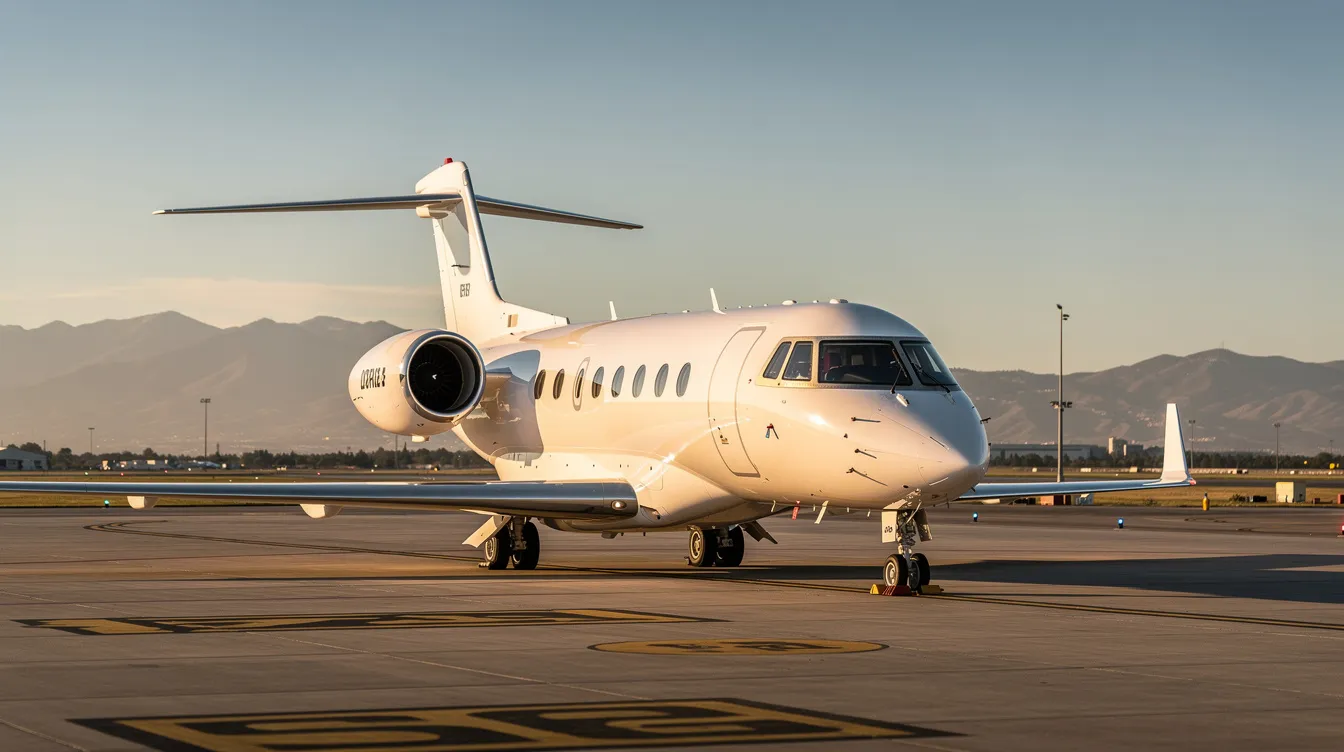
Private jet packages today represent a strategic shift in private aviation, emphasizing flexibility, predictability, and operational intelligence over traditional ownership or ad hoc charter. FLYT’s membership model offers executives, founders, and families a smarter way to access private jets through fixed hourly rates, a floating global fleet, and concierge-level support tailored to real travel needs. By aligning aircraft selection with actual mission profiles and consolidating business and personal travel under one transparent program, members gain efficiency, cost control, and unparalleled convenience. For frequent flyers seeking to optimize their travel experience without the burdens of ownership, exploring a FLYT membership offers a compelling path to modern, flexible private aviation.
Discover a more flexible approach to global private jet travel with FLYT. For inquiries, visit our contact page.