This guide explains how private jet charter rates are determined, what factors influence pricing, and how different access models (on-demand, membership, jet cards, and ownership) compare. It is designed for frequent private flyers, executives, and anyone evaluating private jet rental options who wants to understand true costs and avoid surprises. Understanding private jet charter rates is essential for making informed decisions, comparing options, and avoiding unexpected costs that can arise from hidden fees, fluctuating demand, or complex pricing structures.
Key takeaways
In 2026, private jet charter rates typically start around $2,000–$4,000/hr for turboprops and light jets, move into $4,000–$8,000/hr for midsize and super midsize aircraft, and reach $8,000–$14,000+/hr for large and ultra-long-range jets. VIP airliners charge $16,000 to $23,000 per hour.
Private jet charter rates are driven mainly by aircraft type, flight time, itinerary design, aircraft positioning, peak demand, and applicable taxes such as the 7.5% federal excise tax on many U.S. domestic flights.
Chartering through a private jet membership model such as FLYT typically costs less and is more flexible than owning a private plane or entering long-term fractional ownership.
FLYT’s asset-light floating fleet and risk-pool model are designed to reduce unpredictable repositioning exposure, short leg fees, and spot-market volatility.
This guide is written for frequent private flyers and executives comparing private jet rental, jet card programs, on-demand private charter, and membership-based private jet charter services.
How much does it cost to charter a private jet in 2026?
Chartering a private jet typically costs between $2,000 and $15,000+ per billable flight hour, depending on aircraft category, route, aircraft availability, and market demand. Private jet rental prices range from about $1,800 to $18,000 per hour across the wider market, while hourly rates for jets commonly range from $3,000 to over $10,000 for most mainstream cabin categories.
As a practical 2026 guide, turboprops and very light jets often sit around $2,000–$3,500/hr, light jets around $3,000–$5,000/hr, midsize aircraft around $4,000–$7,000/hr, super midsize aircraft around $5,000–$8,000/hr, large and ultra long range jets around $8,000–$14,000+/hr, and VIP airliners around $16,000–$23,000+/hr.
These rates reflect the charter company flight-hour figures for the entire aircraft, not a per-passenger fare. Charter rates are calculated on a per-hour basis for the whole aircraft. When 5–10 passengers travel together, the effective per-seat private jet charter cost can sometimes rival premium commercial flight pricing, especially on last-minute business or first-class itineraries where time saved, privacy, and reduced ground transfers matter.
For example, a New York–Miami one-way charter flight on a light jet in March 2026 might price around $14,000–$22,000 before ancillary items. A Los Angeles–London business trip on an ultra-long-range aircraft such as a Gulfstream or Global-class jet can move into the $120,000–$180,000 range one way, with international fees, fuel surcharge, crew costs, and handling layered on top.
FLYT approaches this differently. Instead of treating every jet charter as a one-off negotiation, private jet memberships offer fixed hourly rates for flights. Members know the hourly rate by aircraft category before they fly, narrowing the pricing range and removing much of the guesswork from private jet pricing.

What actually drives private jet charter rates?
A private jet flight cost is not simply “hours multiplied by aircraft.” The final number reflects aircraft size, route structure, flight distance, crew requirements, airport authority charges, taxes, and operational choices made before the aircraft ever moves.
The main cost drivers are:
Aircraft types and cabin class
Billable flight time and route design
Positioning, empty leg flights, and short leg fees
Demand patterns, seasonality, and commercial flight disruptions
Regulatory costs such as federal excise tax, head taxes, and airport landing fees
Costs vary based on aircraft size and route. FLYT’s floating, asset-light model primarily addresses the variable pieces that make on-demand private jet rental unpredictable: positioning, minimums, and market spikes. The underlying realities of operating safe aircraft remain, but the structure becomes easier to understand.
The following sections unpack each factor in practical terms.
Aircraft types and cabin class
Aircraft options vary from turboprops for short flights to large jets for international travel. The aircraft type you choose determines cabin space, range, speed, runway access, crew members, fuel consumption, and operating cost.
Aircraft category | Typical seats | Typical hourly rate (2026) | Common use case |
|---|
Turboprops | 6–9 | $2,000–$4,000 | Short regional flights, small airport access |
Very light jets | 4–5 | $2,750–$3,500 | Short-haul, regional business travel |
Light jets | Up to 8 | $3,000–$5,000 | 2–3-hour missions, regional business travel |
Midsize jets | 6–8 | $4,300–$7,000 | More cabin space, longer range |
Super midsize jets | 8–12 | $5,000–$8,000 | Coast-to-coast and longer domestic routes |
Heavy jets | 10–14+ | $8,000–$12,000+ | Larger groups, long range, premium cabins |
Ultra-long-range jets | 12–19 | $10,000–$14,000+ | Intercontinental nonstop missions |
VIP airliners | 16+ | $16,000–$23,000+ | Large groups, delegations, long-haul missions |
Larger aircraft cost more because they burn more fuel, require larger crews, involve higher maintenance reserves, and carry higher capital costs. A smaller but newer aircraft with modern avionics, a refreshed cabin, or high utilization demand may still sit at the upper end of its class.
FLYT members can interchange across categories as the mission changes. A member might use a light jet for short regional flights, a super midsize jet for cross-country work, and an ultra long range aircraft for international flights without renegotiating the entire pricing framework each time. Learn more about aircraft interchange.
Billable flight hour time and itinerary design
Billable flight time is not always just wheels-up to wheels-down. A billable flight hour may include taxi conventions, minimum usage rules, repositioning segments, and operator daily minimums.
Common rules include:
60–90 minutes minimum per leg for smaller aircraft
2–3 flight hours per day minimum for a midsize jet or larger aircraft
Additional billable flight time if the aircraft must reposition before pickup or after drop-off
Short flights can be proportionally more expensive due to minimum daily usage fees. A 38-minute private flight may still be billed as a 90-minute leg, particularly when crew duty time, airport handling, and maintenance cycles are considered.
Consider New York–Chicago. A same-day out-and-back may involve roughly four flight hours plus handling and taxes. A three-day stay on the same route may require the operator to decide whether to keep the aircraft and crew on location or send the aircraft back and later reposition it again. The route is identical, but the charter costs can differ materially.
With a membership such as FLYT, fixed hourly pricing and transparent minimums make it easier to calculate the estimated cost before confirming trip details. Members can also evaluate whether it is smarter to hold the aircraft, release it back into the floating fleet, or use a different aircraft option for the return.
Positioning flights, empty legs, and short leg fees
Positioning means moving an aircraft from where it currently sits to where the client departs. Empty legs are repositioning or return leg flights flown without passengers after another charter flight.
Repositioning fees apply if the jet must be flown from another airport for pickup. Aircraft positioning fees can add 0.5–2.0+ extra billable hours each way, especially when using smaller or regional airports where the desired aircraft is not already based.
Short leg fees apply when a flight is very short, often under 60 minutes. Operators surcharge these segments because takeoff, climb, descent, landing, and engine cycles create a disproportionate share of fuel burn and maintenance relative to the distance flown. This is especially relevant for executives flying between nearby cities or islands.
Empty leg flights can often be booked at discounts of 30–50% below standard charter costs. The tradeoff is flexibility: timing, route direction, and aircraft options are usually fixed, and the flight may change if the primary charter changes.
FLYT’s floating fleet and risk pool model reduce unnecessary deadhead movement across the membership base. Instead of sourcing a specific aircraft for a single trip, FLYT coordinates a diverse fleet to improve aircraft utilization and reduce avoidable repositioning exposure. See how FLYT delivers charter volatility protection.
Taxes, airport fees, and regulatory charges
Taxes and fees rarely dominate private jet costs but can add 10–25% to the final invoice depending on route, airport, season, and aircraft size.
Federal Excise Tax is 7.5% on many U.S. domestic charter flights.
Segment fees are charged per passenger per leg and adjust periodically for inflation.
International flights incur customs and landing fees. U.S. international head taxes are around $19–$20 per passenger, while Alaska/Hawaii head taxes are about $9–$10 per passenger.
Airport-based charges include:
Airport landing fees range from $100 to $1,500 per flight, varying by weight, airport authority, and time of day.
Ramp and handling fees from roughly $100–$500 per stop, higher at premium FBOs.
International fees such as customs, permits, overflight charges, and specialized handling.
Using smaller private airports can offer convenience and potentially lower fees, but major airports may provide more aircraft availability despite higher congestion and fees.
FLYT presents these costs transparently at the quote stage and helps members plan around peak slots, congested airports, and routing choices that affect price and reliability.
Seasonality, demand spikes, and commercial flight disruptions
Private jet charter rates are sensitive to demand. Holidays, Davos, Art Basel, the Monaco Grand Prix, major conferences, and the 2026 FIFA World Cup tighten aircraft availability and push spot-market pricing higher.
Peak demand increases costs significantly. When commercial flight systems face weather, strikes, or large events, private jet travel becomes more expensive due to limited aircraft, crews, parking, and slots.
December holiday trips to Aspen, Vail, or Jackson Hole often include higher base rates, deicing, and hangar fees. Summer transatlantic travel between New York, London, Paris, and the Mediterranean can raise fuel surcharges, crew positioning needs, and international handling complexity.
FLYT’s membership structure with pre-agreed rates and pooled fleet access smooths volatility for frequent flyers who would otherwise face spot-market pricing on every trip. Learn more about FLYT’s platform and AI fleet engine.
Typical private jet hourly rate ranges by category
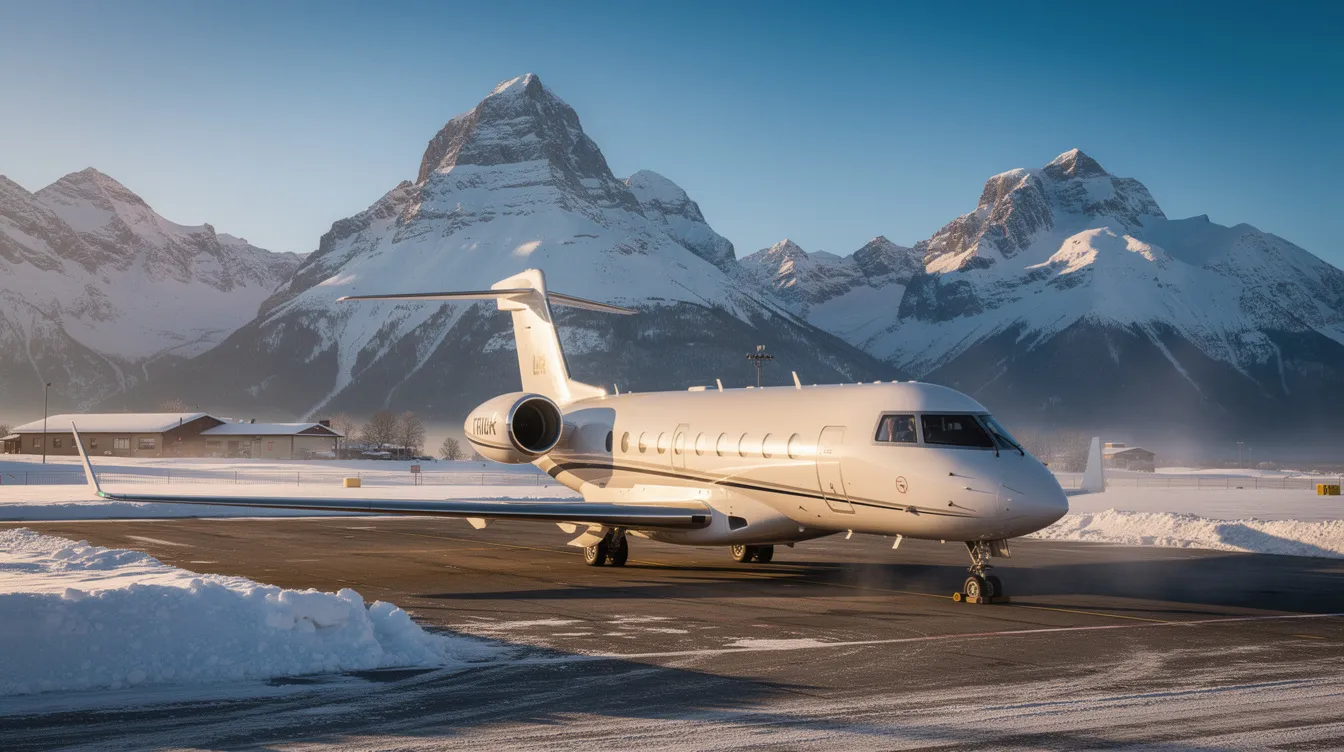
These 2026 private jet rental hourly rates are reference bands before membership pricing, discounts, empty leg opportunities, and route-specific fees.
Turboprops, such as a King Air B200: Roughly $2,000–$4,000/hr, ideal for regional hops, short runway access, and efficient short-haul flights where jet speed is not essential.
Very light and light jets, such as a Citation CJ2 or Phenom 300E: Roughly $2,750–$5,000/hr, suited for 4–7 passengers on short regional flights or business day trips.
Midsize jets, such as a Hawker 800XP or Citation Sovereign: Roughly $4,300–$7,000/hr, useful when passengers need more cabin space, range, and baggage capacity without moving into a heavy jet.
Super midsize jets, such as a Challenger 3500 or Praetor 500: Roughly $5,000–$8,000/hr, strong for coast-to-coast missions and longer domestic routes.
Heavy jets, such as a Gulfstream G450 or Challenger 600 series: Roughly $8,000–$12,000+/hr, suited to larger groups, longer range, and premium cabin requirements.
Ultra-long-range jets, such as a Gulfstream G600 or Global 6500: Roughly $10,000–$14,000+/hr, best for intercontinental missions where nonstop range protects the schedule.
VIP airliners, such as a BBJ or ACJ: Roughly $16,000–$23,000+/hr, appropriate for large groups, delegations, and long-haul missions where cabin scale matters.
International legs often show higher effective hourly rates due to fuel prices, overflight permits, crew rest rules, international fees, and specialized handling at certain airports.
FLYT members lock in their own category-specific fixed hourly rate bands depending on membership structure, simplifying comparisons versus ad hoc charter quotes. See FLYT pricing and premium offerings.
Private jet rental cost components beyond the hourly rate
The hourly rate drives most private jet costs, but surrounding line items often determine whether a quote feels clean or unexpectedly expensive. A charter flight cost calculator or jet charter cost estimator provides a useful first estimate but may not capture every operational detail.
Additional components include crew expenses, overnight expenses, deicing, hangar fees, catering, Wi-Fi, ground transportation, concierge services, fuel surcharge, and operator-specific service fees.
FLYT’s approach is to make these components visible early and reduce avoidable charges through planning, aircraft interchange, and floating fleet utilization.
Crew overnights and multi-day trips
Crew costs include per diems, hotel accommodations, and meals. For multi-day itineraries, crew members may require hotel rooms, transport, and per diem payments, often $200–$600 per crew member per night depending on the city and aircraft.
Operators may keep the aircraft and crew at the destination or reposition the aircraft home and send it back later. Each choice affects minimums, overnight expenses, and billable flight time.
For example, a four-day business trip with two flight days may create three pricing outcomes: keep the aircraft parked, reposition it away and back, or use a floating fleet solution with different aircraft for each leg. Same-day out-and-back trips often carry fewer overnight variables.
FLYT advisors help members evaluate these choices and, when appropriate, mix private flight segments with other travel options to optimize time and budget.
Weather-related costs: deicing and winter hangar fees
Deicing is required when frost, snow, or ice could affect aircraft performance. Costs range roughly $1,500 to $15,000 per event depending on aircraft size, weather severity, airport equipment, and fluid use.
Hangar storage reduces deicing risk during winter but may run $500 to $1,500 per day or night for larger aircraft. Winter-heavy itineraries like New York to Aspen in January or Zurich to Scandinavian ski destinations should include these costs in planning.
FLYT factors seasonal patterns into routing and timing discussions so members can compare scenarios and avoid repeated deicing or unnecessary hangar charges when practical.
In-flight connectivity, catering, and bespoke services
In-flight amenities vary widely by service and aircraft category. Wi-Fi may be included, billed as a flat charge, or charged by usage on some international platforms. Usage patterns affect cost profiles.
Catering ranges from standard snacks and beverages to tailored menus, adding $250–$2,000+ per leg depending on cuisine, passenger count, and requests. Ground transportation may be a simple transfer or part of a broader concierge itinerary including hotels, drivers, and meeting spaces.
Members enjoy concierge support for personalized travel experiences. FLYT manages routing, slots, permits, ground logistics, aircraft options, and service preferences so members see a consolidated private jet cost view rather than fragmented surprise charges. Learn more about the FLYT advantage.
Membership, jet cards, on-demand charter, and ownership: which model fits your cost profile?
Private jet charter rates cannot be evaluated separately from the access model. On-demand charter, jet cards, private jet membership, fractional ownership, and full ownership allocate cost and risk differently.
On-demand charter prices each trip individually. Jet cards are prepaid blocks of flight time, often 25–50 hours, with hourly rates tied to cabin categories. They typically require a minimum deposit of $50,000 to $150,000 and provide prepaid flight hours. Private jet membership focuses on access, service, and fixed or preferred pricing. Fractional ownership means buying a share of a specific aircraft, such as 1/8 or 1/16, requiring upfront investment of $500,000 or more. Full ownership offers maximum control but also maximum responsibility.
FLYT sits in the private jet membership with the fixed hourly rates category. The model suits frequent flyers wanting predictable access without tying capital into depreciating aircraft. See how FLYT compares to charter, jet cards, fractional ownership, and brokers.
On-demand private jet charter
On-demand private jet rental offers low commitment, ideal for occasional flyers under 25 hours per year with no membership or ownership obligation.
Benefits include flexibility to compare providers and occasional empty leg discounts. Downsides include quotes reflecting daily market conditions, aircraft availability, fuel prices, positioning, and operator rules.
Service levels vary; reputable operators hold valid air carrier certificates and safety certifications like ARGUS and Wyvern.
Compared with this, FLYT members trade spot-market opportunism for fixed hourly rates, transparent rules, and curated operational experience.
Jet cards and traditional fixed-rate programs
Jet cards are prepaid blocks of flight time, often 25–50 hours, with hourly rates tied to cabin categories. They simplify booking and provide better rate certainty than ad hoc charter.
Limitations include large upfront deposits, blackout dates, peak surcharges, minimums, and provider restrictions. They may offer less flexibility to move between aircraft categories.
FLYT’s membership preserves fixed hourly rate predictability while adding fleet interchange, global access, and an asset-light structure.
Private jet membership models like FLYT
Modern private jet membership emphasizes access, predictability, and service over ownership. Memberships provide global fleet access without long-term commitments or ownership costs.
FLYT offers fixed hourly rates by category, fleet interchange, global access via a floating fleet, and a risk pool spreading operational risk and repositioning cost across members.
The model suits executives, founders, investors, and families flying 75–150 hours annually across North America, Europe, and intercontinental routes. Members can use light jets regionally, super midsize jets cross-country, and larger aircraft internationally.
The advantage is consistent private aviation management across a full year, not just lower single-trip quotes. Discover more about how FLYT works.
Fractional and full ownership: the cost of control
Fractional ownership means buying a share of a specific aircraft, such as 1/8 or 1/16, requiring upfront investment of $500,000 or more. It suits frequent flyers who fly over 100 hours annually, valuing guaranteed access.
Full ownership offers maximum control but entails acquisition cost, financing, crew salaries, training, insurance, maintenance, engine programs, hangar, navigation subscriptions, refurbishments, and utilization risk.
Even light jets can carry annual fixed costs in the high six figures. Heavy or ultra-long-range jets can run $1.5–$4 million per year before fuel and positioning.
Access-based models like FLYT deliver many cabin benefits and global reach without tying up capital or managing aircraft operations.
How FLYT brings transparency and predictability to private jet charter rates
Experienced travelers are moving away from pure on-demand charter because the headline hourly rate often tells only part of the story. The better question is “What structure gives me predictable access, reliable service, and efficient aircraft selection over 12–24 months?”
FLYT’s fixed hourly rates are central. Members know flight hour costs by aircraft category, with clear rules on minimums, positioning, and surcharges, making costs easier to forecast.
The floating fleet and risk pool model matter operationally. Instead of dedicating one aircraft to one member, FLYT coordinates access across a broad network, improving routing efficiency, reducing deadhead flying, and supporting competitive private jet charter services for frequent travelers.
Fleet interchange is another advantage. Members select light jets for short regional trips, super midsize aircraft for coast-to-coast missions, and ultra long range jets for intercontinental flights without renegotiating pricing.
Concierge support adds value. FLYT manages routing, slots, permits, ground logistics, aircraft options, and service preferences so members see a consolidated private jet cost view rather than fragmented surprise charges.
Explore a membership model designed around efficiency, transparency, and flexible global private jet travel.

Putting it together: how to evaluate a private jet charter quote
After reading this guide, break any private jet charter quote into four parts: base hourly rate, billable flight time assumptions, positioning, and taxes or fees. This is the only way to compare on-demand pricing with a fixed-rate membership model like FLYT.
Use this checklist before confirming a private charter:
Confirm the aircraft type and category. Ensure cabin, range, baggage capacity, and size match the mission.
Check flight hours. Ask if the quote uses wheels-up time, block time, taxi time, or daily minimums.
Review aircraft positioning. Confirm if repositioning legs are included, partially included, or billed separately.
Review all line items. Look for federal excise tax, segment fees, landing fees, ramp fees, deicing, hangar fees, crew overnights, catering, Wi-Fi, short leg fees, fuel surcharge, and applicable taxes.
Ask for scenario comparisons. If flexible, compare airports, departure times, aircraft options, and whether the aircraft remains on the ground.
Compare the structure, not just the trip. A single low quote may not be best if future private jet travel will be frequent and varied.
For frequent flyers, the right structure often matters more than a small difference in one charter flight cost. FLYT is designed as a long-term, efficient way to manage private aviation spend without ownership complexity.
For further questions, visit the FLYT FAQ or contact us.
Conclusion
Understanding private jet charter rates is crucial for executives and frequent flyers seeking efficient, predictable, and flexible access to private aviation. Costs vary widely based on aircraft type, flight duration, positioning, and additional fees, making transparent pricing and operational clarity essential. Membership models like FLYT offer a strategic alternative to traditional ownership and ad hoc charter by providing fixed hourly rates, fleet interchange, and a global floating fleet that enhances flexibility while reducing unpredictable costs.
FLYT’s asset-light, risk-pool approach aligns with the needs of sophisticated travelers who value time, transparency, and operational efficiency without the burdens of ownership. Their concierge-level service and global reach ensure a premium experience tailored to business and family travel alike.
Explore how FLYT’s membership model can simplify your private aviation planning and deliver smarter, more transparent private jet access. Learn more at www.flyt.com.