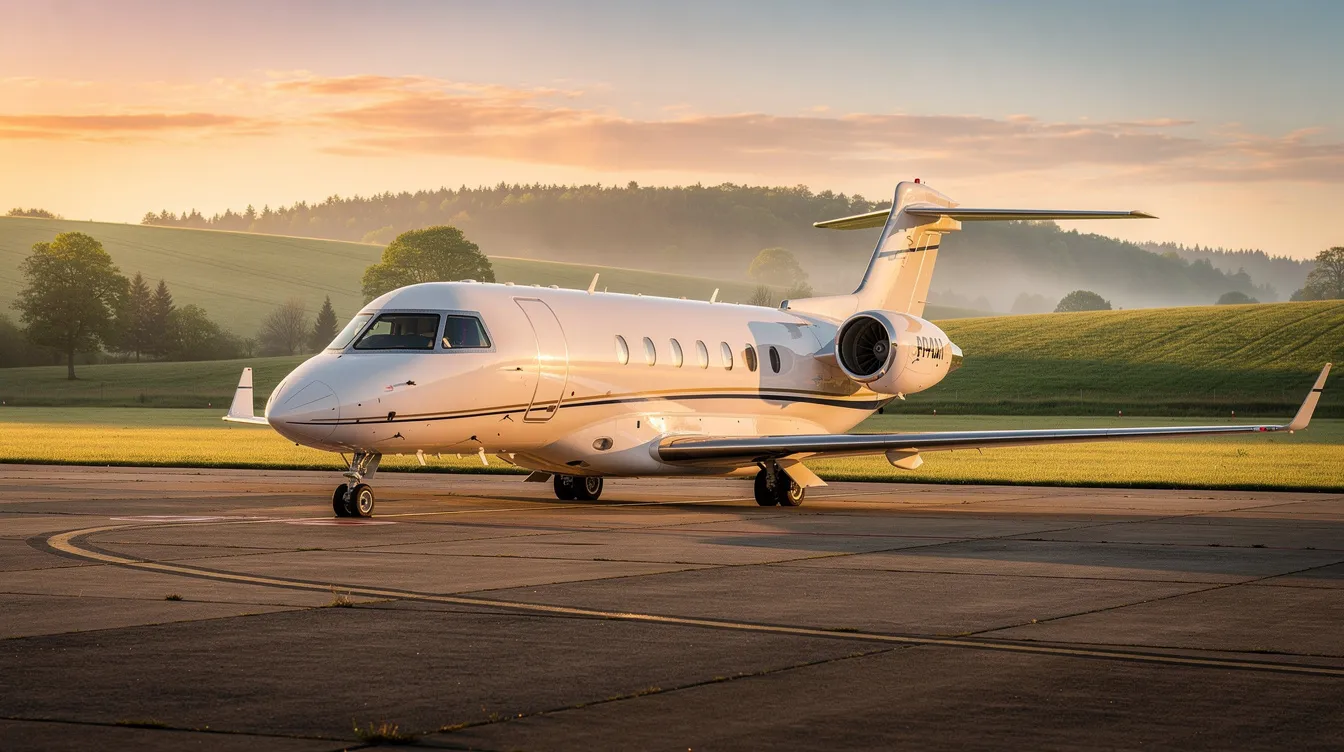
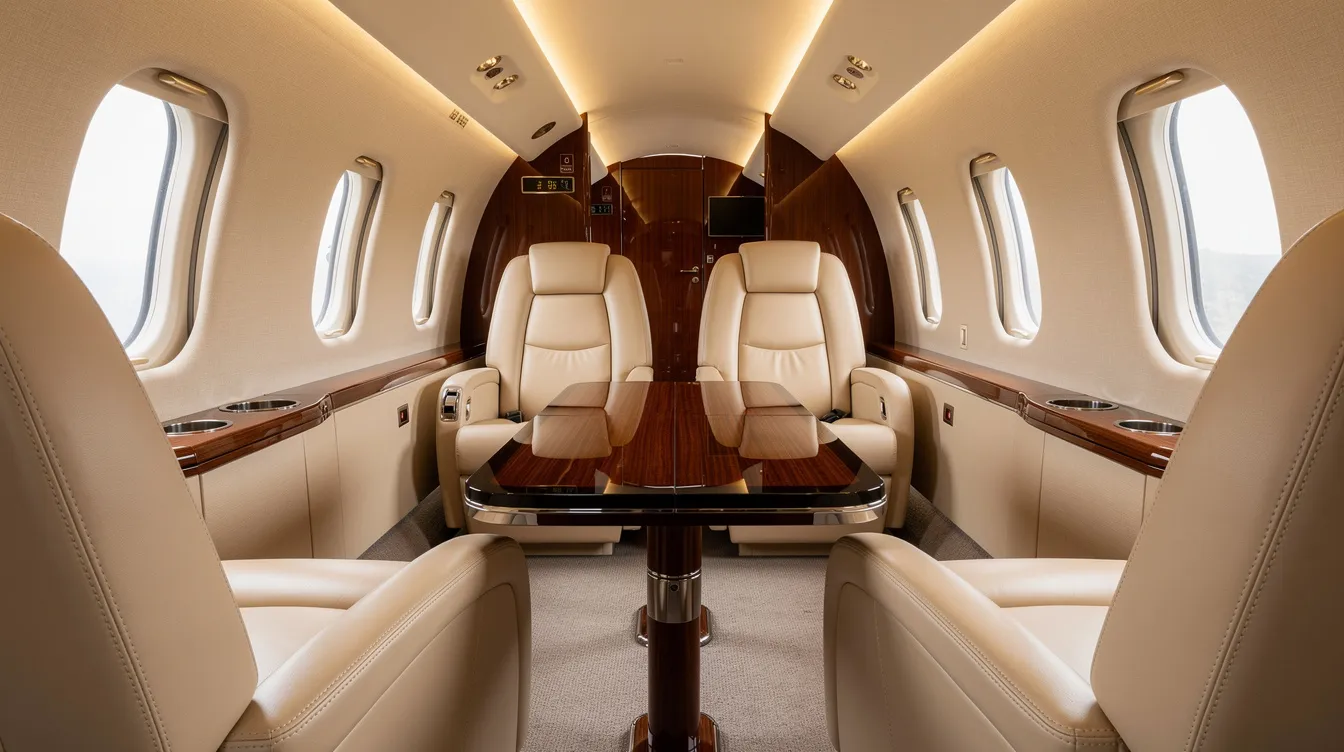
Private aircraft access has changed dramatically in recent years. For executives, founders, families, and discerning travelers, the landscape of private aviation now offers more options than ever before. This article is designed specifically for those audiences—executives seeking efficiency, founders needing flexibility, families prioritizing convenience, and travelers who demand a higher standard of service. We will explore the modern models of private aircraft access, from ownership and fractional shares to jet cards, on-demand charter, and innovative membership programs like FLYT. Understanding these options is crucial for making informed decisions that optimize cost, flexibility, and convenience, ensuring you get the right aircraft at the right time with minimal operational friction.
The private aviation market now includes ownership, fractional shares, jet cards, on-demand charter, and membership models like FLYT. Each can work. The key is matching the structure to your flying pattern, capital priorities, and need for flexibility.
Key takeaways
Private aircraft now covers everything from very light jets for short regional flights to heavy jets and ultra-long range aircraft capable of intercontinental missions.
Executives increasingly prefer access over ownership because full ownership brings capital exposure, crew, maintenance, insurance, hangar, and depreciation obligations.
FLYT offers membership-based private aviation with fixed hourly rates, fleet interchange, concierge support, and global reach without buying or fractionally owning a jet.
Matching aircraft types to each trip is one of the most important ways to control cost while preserving convenience, range, cabin comfort, and schedule control.
Transparent pricing, an asset-light floating fleet, and aviation experts supporting every flight can make private air travel more efficient than traditional models.
The easy way to access private aircraft today
Private aviation has shifted sharply in the 2020s. According to Honeywell’s business aviation outlook, fractional fleets have grown by more than 65% since 2019, while operators continue to prioritize range, performance, and utilization over simple ownership status. Global business aviation also remains elevated, with roughly 3.5 million departures in 2025 according to Volo Aviation data.
That demand reflects a practical change. Private aircraft access no longer requires buying a jet, hiring pilots, managing maintenance, or entering long-term commitments. A traveler can use private jet charter, private charter, or a structured membership to access private jets as needed.
FLYT is built around that shift. Members can request a private jet charter through digital channels, and aviation experts confirm the right aircraft type, route, schedule, and pricing. The result is private flights planned around the meeting, family obligation, site visit, or leisure itinerary rather than the timeline of commercial airlines.
Commercial airlines are designed for high-capacity standardized mass transport. Passengers must adhere to the airline's timeline, which often leads to layovers, missed connections, and wasted hours. Flying private changes that by using private terminals, faster security, flexible departures, and airports located closer to the final city or destination.
Understanding private aircraft types and use cases
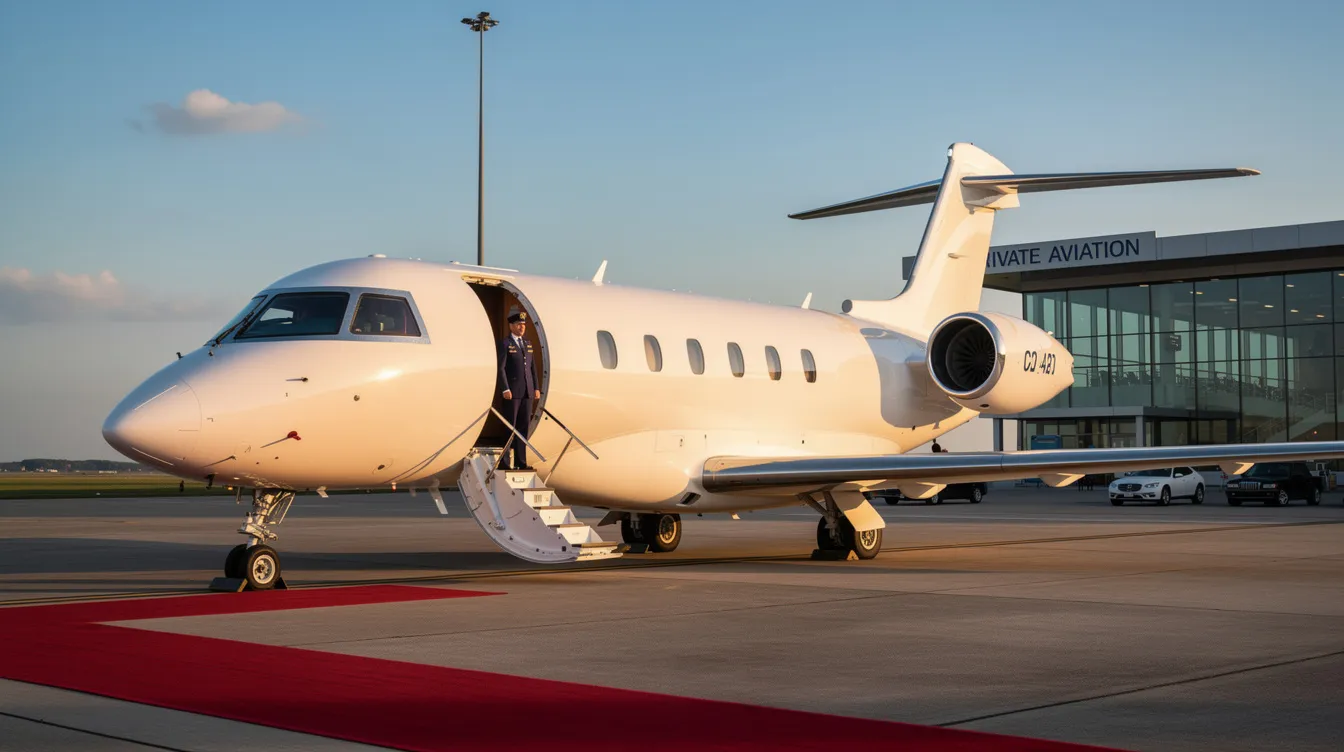
Private aircraft are categorized by their size range and passenger capacity. The category determines maximum range, cabin space, runway performance, luggage capacity, and hourly cost. Choosing correctly matters more than many travelers realize.
Very light jets
Very Light Jets are perfect for short-haul regional flights of 1-2 hours. These very light jets typically seat 4–5 passengers and often fly up to about 1,200–1,400 nautical miles depending on payload and conditions.
They work well for trips such as New York–Chicago, London–Geneva, or a same-day business visit from one regional city to another. They are efficient, fast to board, and well-suited to travelers who value time more than excess cabin space.
Light jets
Light jets balance economical operating costs with greater cabin space. They are often the practical choice for regional business travel, weekend family trips, and destinations that require smaller airports or shorter runway access.
Common light jet missions include two to six passengers, modest luggage, and short to medium range. Turboprops are also relevant for certain airports because turboprops are capable of landing on short or unpaved runways, and average hourly rates for turboprops start around $2,000. Charter rates for King Air 350 start in the mid-$2,000s per hour.
Mid-size jetsMid-size
Mid-size jets are ideal for quick cross-country flights or regional travel where passengers need more comfort, enclosed lavatories, better luggage capacity, and reliable in-flight productivity.
Executives often choose mid-size jets for small team roadshows, investor meetings, or trips where the cabin needs to function like a quiet work environment. Some cabins include club seating that can serve as informal conference rooms for in-flight preparation.
Super midsize jets
Super midsize jets are designed for longer coast-to-coast or intermediate international flights. These jets often fit routes such as Los Angeles–New York, Dubai–Mumbai, or longer European business sectors.
A Bombardier Challenger, including the Bombardier Challenger series, is a common example in this category. It offers greater cabin comfort, longer range, and better nonstop capability than smaller categories.
Heavy jets
Heavy jets are ideal for large groups on intercontinental flights. They offer more cabin zones, greater luggage capacity, lie-flat seating options, and stronger international performance.
Typical missions include New York–London, London–Dubai, or multi-country business trips where comfort and productivity matter over long sectors.
Ultra long range
Ultra-long-range jets are built for nonstop intercontinental flights. Private jets can fly non-stop for distances over 8,000 miles in certain aircraft and conditions, while the Gulfstream G650 can fly up to 7,000 nautical miles non-stop.
This category is used for Los Angeles–Tokyo, New York–Dubai, or global family travel where stopping would add time, complexity, and fatigue. VIP airliner aircraft based on Boeing or Airbus platforms can also serve high-capacity private missions, though they sit at the highest level of cost and operational complexity.
Aircraft categories at a glance
Aircraft Category | Typical Passengers | Range (nautical miles) | Common Use Cases | Approximate Hourly Charter Rate |
|---|
Very Light Jets | 4–5 | 1,200–1,400 | Short regional trips, quick business visits | $2,000–$3,500 |
Light Jets | 5–8 | 1,200–2,000 | Regional business, family trips, and smaller airports | $2,000–$4,500 |
Mid-Size Jets | 7–9 | 2,000–2,500 | Cross-country flights, small team travel | $4,000–$6,500 |
Super Midsize Jets | 8–10 | 3,000–4,000 | Coast-to-coast, intermediate international | $6,000–$9,000 |
Heavy Jets | 10–18 | 4,000–6,000 | Large groups, long intercontinental flights | $9,000–$14,850 |
Ultra Long Range Jets | 8–19 | 6,000+ | Nonstop intercontinental, global travel | $12,000–$15,000+ |
Rates vary based on operator, aircraft model, and mission specifics.

From very light jets to ultra-long range: matching aircraft to mission
The right aircraft is determined by distance, passenger count, luggage volume, airport requirements, onboard work needs, and whether nonstop flying is worth the higher hourly rate.
Consider a few examples:
Two executives flying Chicago–Toronto may be best served by very light jets or light jets.
Six people flying San Francisco–New York may need mid-size jets or super mid-size jets for range and comfort.
Eight passengers flying from London to Dubai may require super midsize, heavy jets, or ultra-long-range aircraft depending on payload and nonstop preference.
Four passengers flying New York Teterboro–Nantucket may use a light jet for efficiency and access to smaller airports.
Stepping up from a light jet to a super midsize or ultra-long-range jet may save time through nonstop routing. But hourly rates vary based on aircraft type and distance flown, so the choice should be deliberate.
This is where aircraft fleet interchange becomes financially useful. FLYT membership is designed so members are not forced onto one owned aircraft that may be too large for short trips and too limited for long ones. Instead, FLYT helps recommend the most cost-effective aircraft for each journey.
Private jets, charter, and membership: models of private aviation access
There are five common ways to access private jets:
Full ownership gives maximum control but requires the highest capital commitment. Private ownership is typically recommended for those flying over 300 to 400 hours per year. Below that level, chartering private jets can be more cost-effective than ownership because fixed costs are difficult to absorb.
Fractional ownership suits frequent flyers over 100 hours annually. It usually involves a 1/16 or 1/8 share, a significant upfront investment of $500,000 or more, monthly management fees, occupied hourly charges, and a long-term commitment. Fractional ownership requires significant upfront investment and long-term commitment, which may not suit customers who want flexibility. Learn more about FLYT vs fractional ownership.
Jet cards are ideal for moderate flyers flying 25-100 hours yearly. Jet cards offer predictable pricing without ownership risks, usually through prepaid hours in a fixed cabin category. The trade-off can include blackout dates, peak-day rules, and less flexibility across aircraft types. Compare FLYT vs jet cards for a modern alternative.
An on-demand charter is best for occasional flyers under 25 hours yearly. It offers flexibility with no membership structure, but pricing can vary sharply by date, aircraft availability, repositioning, landing fees, and crew logistics. Private jet charter rates typically start around $2,000 per hour. Empty leg flights can offer substantial discounts on standard charters. See how FLYT compares to charter in terms of cost and predictability.
Membership-based private aviation, like FLYT, is intended to combine the flexibility of charter with the structure of predictable costs. Private jet memberships offer flexible access to aircraft. Memberships provide predictable pricing without ownership costs. Frequent flyers benefit from priority access through memberships. Memberships typically require no long-term commitments. Private jet memberships cater to high-net-worth individuals who value efficiency over ownership status.
How private jet membership with FLYT works
FLYT provides access to a curated network of private aircraft without requiring members to own, lease, or enter a traditional fractional contract. The model is built for travelers who want the convenience of flying private with less operational complexity.
Members book by cabin category, such as very light jets, light jets, mid-size jets, super mid-size jets, heavy jets, and ultra-long range aircraft. Fixed hourly rates for private jets typically range from $2,000 to $15,000, while private jet pricing varies from $2,000 to $23,000 per hour in the broader charter market. Larger jets can cost up to $15,000 per hour to charter, and private jet charter costs can exceed $150,000 one-way for long routes.
Fixed hourly rates provide predictable pricing for travelers because the traveler understands the expected cost before the flight. FLYT’s model focuses on clear membership fees, defined cabin classes, and transparent itinerary details rather than surprise invoices.
The risk pool model is straightforward. Instead of relying on a single aircraft, members share access to a floating fleet. An asset-light model reduces ownership costs significantly because capital is not tied to one airframe, hangar, or crew structure. The asset-light floating fleet offers access to over 20,000 aircraft across the broader available private aircraft market, depending on routing and operator availability. This model allows flexible access without long-term commitments and caters to diverse travel needs efficiently.
Booking Process
In practice, the booking flow is simple: request the trip, confirm the route, match the aircraft, review transparent pricing, and coordinate ground transport, hotels, or passenger details if needed. FLYT’s global network supports common corridors such as New York–South Florida, London–Nice, Dubai–Riyadh, and international private travel across the world.
For context, XO provides access to over 60,000 routes worldwide and over 2,000 aircraft globally. Wheels Up offers access to over 7,000 vetted private aircraft globally. Jettly connects users to over 20,000 aircraft for charter services, offering instant pricing and transparent quotes, including parking and handling fees. These benchmarks highlight why transparency and access have become central competitive issues in private aviation.
Designing a better private travel experience
Executives rarely choose private air travel for luxury alone. They choose control: control over departure time, route, privacy, cabin environment, and the ability to work without interruption.
Flying private changes the door-to-door journey. Travelers arrive at private terminals, pass through streamlined security, board directly, and depart when the operation is ready. Private aircraft can land at over 5,000 general aviation airports globally, which creates access to destinations that commercial aviation may serve poorly.
FLYT’s concierge team coordinates each segment of the travel experience: preferred FBOs, ground transfers, catering, dietary requirements, passenger manifests, and connectivity needs. This personalized service is especially valuable when a business trip becomes a family trip, or when last-minute passengers are added.
Modern private jets may offer high-speed Wi-Fi, quiet cabins, lie-flat seating on heavy jets and ultra-long-range aircraft, and cabin layouts suitable for calls or presentations. For leisure travel, private access can simplify school holidays, ski weekends, Mediterranean trips, or multi-stop itineraries across the United States and Europe.
Transparent pricing and smarter capital allocation
Financially sophisticated travelers increasingly evaluate private aviation by total cost of ownership and opportunity cost of capital. The question is not just “What does the jet cost?” It is “How much capital is tied up, how often is the aircraft used, and what flexibility is lost?”
Ownership can include maintenance reserves, unexpected downtime, crew management, insurance, hangar fees, repositioning, regulatory compliance, and depreciation. A plane sitting unused on the ramp still generates cost.
Fixed hourly rates, known membership fees, and clear terms create more predictable line items. That matters for family offices, CFOs, founders, and executives who need private travel without turning aviation into a separate operating company.
Cost Comparison
A simple comparison helps. An owner flying 150–200 hours per year may still carry the cost of pilots, maintenance, financing, and downtime whether the aircraft flies or not. A similar traveler using membership-based access pays more directly for actual trips and can scale from very light jets to heavy jets based on mission need.
That flexibility reduces wasted spend. Using a large cabin jet for a 45-minute regional hop is rarely efficient. Using a small jet for a long international mission can create delays, stops, and discomfort. FLYT’s asset-light approach focuses member capital on flying, not on underutilized infrastructure.
Global private aviation, safety, and reliability
Safety and reliability must be treated as operational requirements, not amenities. Reputable operators in FLYT’s network are evaluated for the highest safety standards, operating history, maintenance discipline, crew qualifications, and recognized audit frameworks such as ARGUS, Wyvern, and IS-BAO, where applicable.
Operators must also hold the appropriate air carrier certificate for charter operations in their jurisdiction. Private pilots may operate under different rules than commercial charter pilots, so proper certification and oversight are essential when passengers are paying for private flights.
A floating fleet improves reliability because it creates recovery options. If one aircraft has a mechanical issue, the operations team can search the accredited network for another aircraft rather than compromising safety. This is one advantage over relying on a single-owned jet.
Global reach matters for multi-country investor roadshows, cross-Atlantic relocations, time-sensitive site visits, and international family trips. FLYT’s 24/7 support model gives members a dedicated contact for schedule changes, disruptions, passengers, permits, handling, and last-minute operational adjustments.
Sustainability is also becoming more important. Private jets have a significantly higher carbon footprint per passenger than commercial flights, so efficient routing, newer aircraft, better fuel burn, and optional carbon offset programs, where available, should be part of the discussion.
Choosing the right private aircraft solution for you
The best private aviation model depends on usage. Start with annual flight hours, route patterns, cabin requirements, aircraft preferences, appetite for long-term commitments, and tolerance for operational complexity.
As a broad guide:
Under 25 hours per year: an on-demand private charter often fits best.
25–100 hours per year: Jet cards can provide structure and predictable pricing.
Over 100 hours per year: fractional ownership may be evaluated, especially for predictable routes.
50–300 hours per year: membership can be especially effective when travelers value fleet interchange, global access, and reduced ownership exposure.
Explore FLYT’s advantage and contact us to learn more about how membership can elevate your private aviation experience: Contact FLYT.

Conclusion: Elevate your private aviation experience with FLYT
Choosing the right private aircraft access model is a strategic decision that balances cost, flexibility, and operational ease. FLYT’s membership-based approach offers a smarter alternative to ownership and traditional jet cards by providing predictable pricing, fleet interchange, global reach, and concierge-level support. This asset-light floating fleet model allows executives, founders, and discerning travelers to optimize their travel without the burdens of capital investment or operational complexity.
With FLYT, you gain seamless access to a curated network of private jets tailored to your mission needs—whether a short regional hop or a long international journey—supported by transparent pricing and expert coordination. As private aviation continues to evolve, FLYT stands at the forefront of delivering efficient, flexible, and sophisticated travel solutions designed for those who value time, predictability, and operational intelligence over ownership hassles.
Discover how FLYT can transform your private aviation experience. Learn more at www.flyt.com.