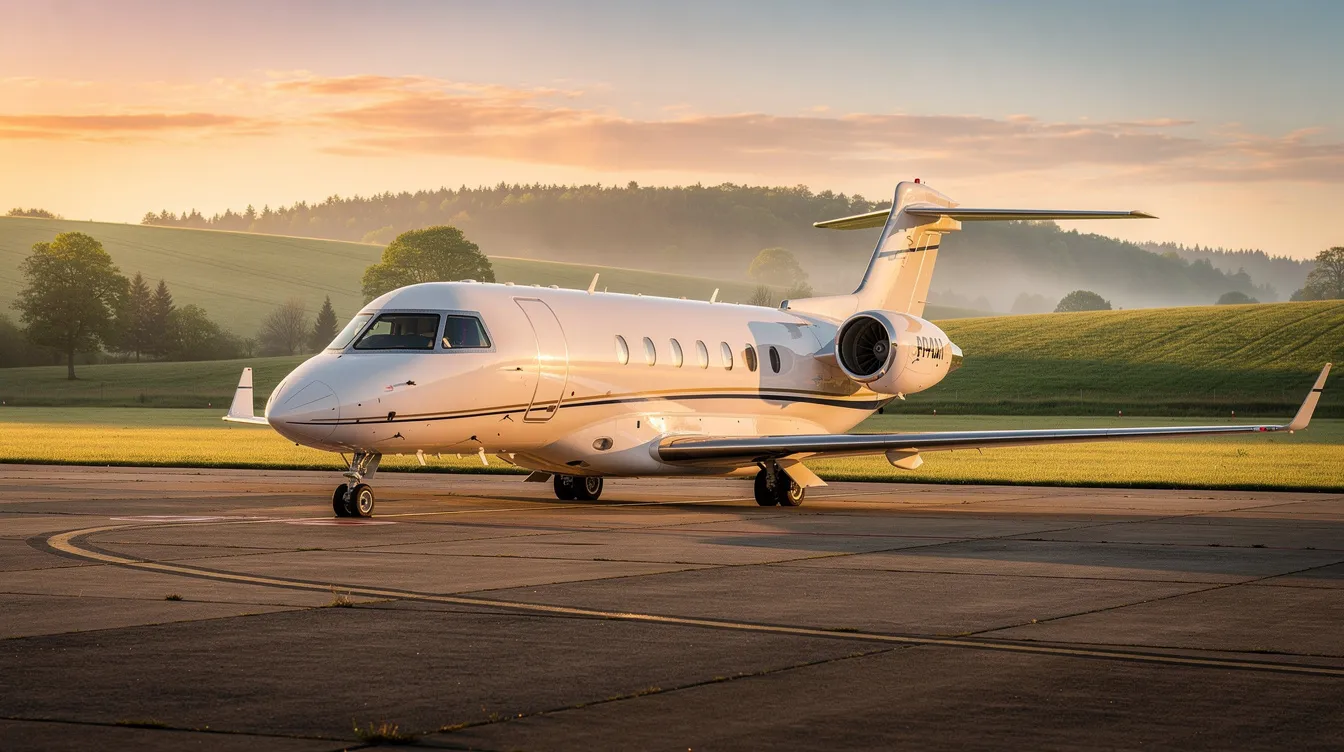
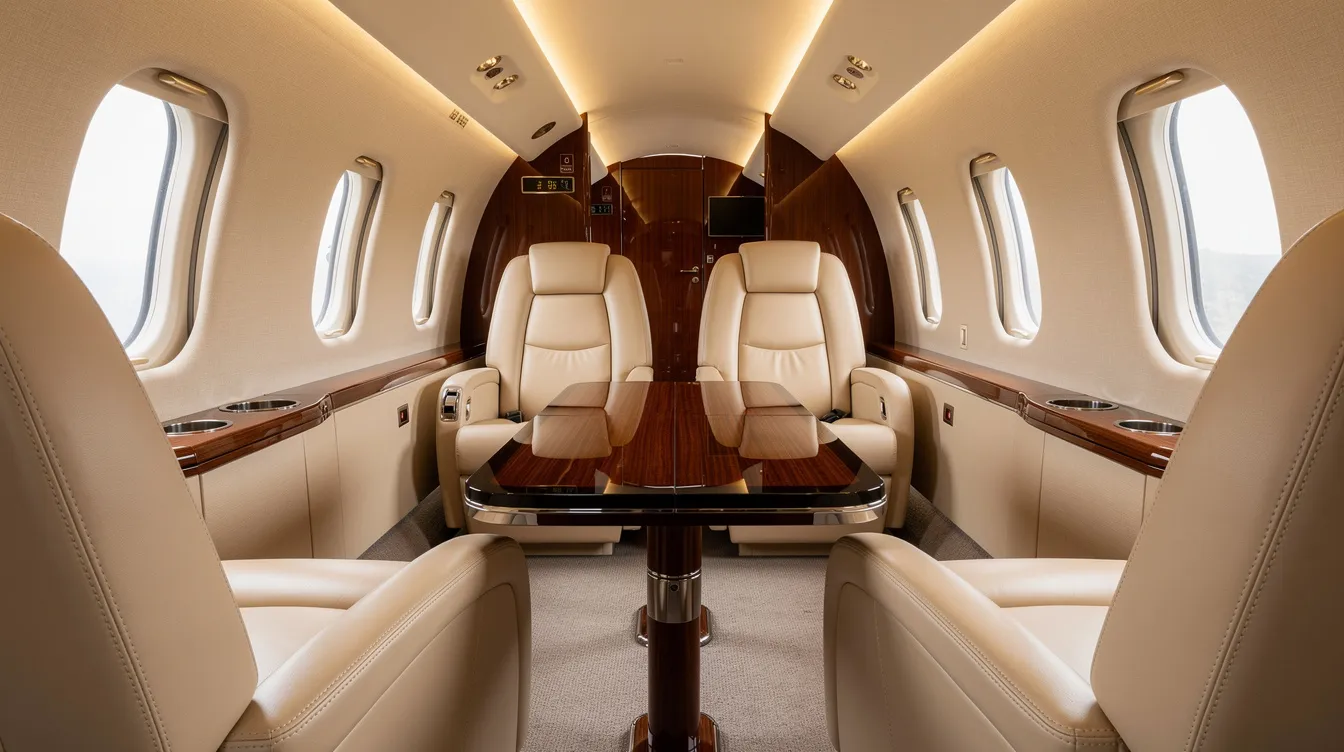
Private air flights (Private air flights involve renting or owning a private aircraft for exclusive use.) have moved from a narrow ownership conversation to a broader access conversation. This guide is for business leaders, frequent travelers, and families seeking to understand modern private air flight options, including membership models, charter, and ownership. We cover costs, access, operational benefits, and how to choose the right model for your needs. For business executives, founders, investors, and families with complex schedules, the question is no longer simply whether to own a jet. It is how to secure reliable access, predictable cost, and the right aircraft for each trip without tying up unnecessary capital.
By 2026, private aviation is still shaped by the demand surge that followed 2020, but the market has become more selective. Aircraft availability, transparent pricing, fixed hourly rates, and fleet flexibility now play a significant role in how private jet travelers compare options. This topic matters because efficiency, flexibility, cost, and access are now central to private aviation decisions.
Key takeaways
Private air flights now include on-demand charter flights, jet cards, fractional ownership, and private jet memberships, each with different costs, commitments, and levels of access.
Typical 2026 charter pricing ranges from turboprops starting around $2,500 per hour to ultra long range jets that can start at $12,000 per hour, with charter costs shaped by aircraft type, distance, positioning, and demand.
Flying private no longer requires buying an aircraft or a fractional share; memberships provide flexible access to aircraft, fixed hourly rates, and predictable pricing without ownership costs.
FLYT’s membership model offers global access, fleet interchange across multiple aircraft categories, and an asset-light way to fly private for business and lifestyle travel. Learn more about FLYT’s approach.
This guide explains how to charter a private jet, how empty leg flights work, and which frequent flyers benefit most from private aviation membership.
What do “private air flights” mean in 2026
Private air flights involve renting or owning a private aircraft for exclusive use, whether that means booking the entire aircraft for a single route or accessing a fleet through a structured membership.
The evolution of private air travel
After 2020, private air travel saw a sharp increase as travelers looked for more control, fewer crowded terminals, and more reliable schedules. By mid-2025, industry data showed business aviation activity stabilizing while aircraft deliveries shifted toward light and super midsize aircraft, reflecting practical mission demand rather than purely large-cabin preference.
Why access matters
This matters because the aviation industry has become more access-driven. Many private aviation users want the benefits of flying private without the fixed obligations of full ownership. That shift has accelerated the growing demand for private jet membership, private jet charter services, and asset-light models that are focused on operational efficiency. Discover more about FLYT’s asset-light floating fleet and risk pool model.
Key terms in private aviation
A few terms are worth separating:
Charter flights are one-off private flights booked for a specific trip. On-demand charter means you request available aircraft when you need them, with no long-term commitments.
A jet card usually involves pre-buying hours, often with fixed hourly rates.
Fractional ownership means buying a share of a specific aircraft or fleet program, with a capital purchase, management fees, and a multi-year contract.
Jet membership, such as FLYT, is designed around access: members use a vetted floating fleet without buying or co-owning the aircraft.
Compare FLYT vs charter, FLYT vs jet cards, and FLYT vs fractional ownership for detailed insights.
The range of private travel
The range of private travel is broad. Some travelers use by-the-seat shuttles on heavily traveled private routes. Others book a full private jet charter for a business meeting, family trip, or international itinerary. Pricing can run from a few thousand dollars per hour on short regional aircraft to ultra-long-range international missions that cost significantly more.
Operational advantages over commercial airlines
Compared with commercial airlines, the operational advantage is usually on the ground. Private travelers bypass crowded main terminals and use Fixed-Base Operators (FBOs), often arriving just minutes before takeoff. Private aviation sits within the broader world of general aviation, where private jets can access over 5,000 airports worldwide and often land much closer to final destinations than commercial airlines can. Private aviation allows travelers to arrive just minutes before takeoff, complete a short ID check, and board directly.
For executives, that can turn a two-day itinerary into a one-day trip. Private jet travel allows for confidential business meetings during flights, while private jets offer customizable in-flight catering and cabin privacy. Private jets frequently cruise at higher altitudes than commercial airliners, which can sometimes reduce weather disruption and improve ride quality. Private air travel offers unmatched efficiency and comfort due to its flexibility, but it still requires thoughtful planning around safety, weather, air traffic control, and cost.

Ways to fly private: from on-demand charter to membership
There are now several structured ways to fly private, and the right choice depends on annual flight hours, route consistency, capital preferences, and tolerance for pricing variability.
On-demand charter flights
On-demand charter flights are the most flexible entry point. Charter services provide maximum flexibility without long-term commitments, and on-demand charters are ideal for occasional flyers under 25 hours. You book trip by trip, compare available aircraft, and pay the quoted charter pricing for that flight. This model works well for a last-minute board meeting, a family vacation, or a private charter to a destination not served efficiently by commercial flights. The trade-off is variability: aircraft availability can change quickly, and charter costs can rise during holidays, global events, or peak seasonal demand.
Jet cards
Jet cards are generally better for travelers who want predictable pricing but are not ready for ownership. Jet cards offer predictable pricing for 25-100 flight hours yearly. Jet cards typically require a minimum deposit of $50,000 to $150,000, and many programs include rules around peak days, blackout periods, minimum flight time, or aircraft category. They can be useful, but the true cost depends on contract language and surcharges.
Fractional ownership
Fractional ownership suits frequent flyers over 100 hours annually, especially when usage is consistent and the traveler values guaranteed access to a particular aircraft class. Fractional ownership requires significant upfront investment and commitment. It also involves monthly management fees, occupied hourly charges, and exposure to aircraft depreciation or resale conditions. Fractional ownership can make sense for very high utilization, particularly over 200–300 hours per year on predictable routes, but it is less flexible when travel needs change.
Private jet memberships
Private jet memberships like FLYT are positioned between ad hoc charter and ownership. Private jet memberships offer flexible access to aircraft. Memberships provide predictable pricing without ownership costs, typically through annual or monthly membership fees, fixed hourly rates, and access to a diverse fleet. Private jet memberships typically require lower upfront costs than ownership, and membership models are becoming preferred over traditional ownership for travelers who want flexibility without asset risk. Learn more about FLYT memberships and pricing.
Private jet memberships allow access to thousands of aircraft globally through operator networks and floating fleet relationships. In the broader market, Jettly offers access to over 20,000 aircraft globally, and Jettly provides instant pricing and a user-friendly booking process. The existence of these digital models illustrates how advanced technology is reshaping the booking experience, but FLYT’s focus is membership-first: predictable private aviation access, concierge-level support, and fleet interchange without the burden of owning a specific aircraft. Explore FLYT’s platform and aircraft interchange features.
How charter flights and pricing actually work
Charter pricing in 2026 is driven by several practical variables:
Private jet charter costs vary based on aircraft type and distance, so a short regional flight on a turboprop will price very differently from a transatlantic mission on a larger aircraft.
Typical hourly charter rates
Here are useful planning bands for 2026:
Aircraft type | Typical hourly charter rate (USD) | Typical passenger capacity | Typical range (nautical miles) |
|---|
Turboprops | Starting around $2,500 | Up to 9 | Up to 1,800 |
Light jets | Starting around $6,000 | 6-8 | Up to 2,000 |
Midsize jets | Around $7,000 | 7-9 | Up to 3,500 |
Super midsize jets | $8,000+ | 8-10 | Up to 4,000 |
Large cabin jets | $9,000–$16,000+ | 10-18 | 4,000+ |
Ultra-long range jets | Starting at $12,000 | 12+ | 6,000+ |
These numbers are useful, but they are not the full story. A quote can include positioning if the aircraft must fly empty to reach your departure airport. It may also include airport handling, taxes, international permits, crew overnight expenses, and de-icing. Transparent providers show whether the quote is all-in or whether specific surcharges apply. Learn about charter volatility protection and how FLYT manages pricing.
Empty leg flights
Empty legs are another important concept. Empty legs are one-way repositioning flights created when an aircraft needs to move without passengers. Empty leg flights can reduce cost by 30–75%, but the schedule and route are usually fixed. Empty legs are useful when your travel plans match the available aircraft, but they are not ideal for time-critical private jet travel because the underlying charter can change.
Example: New York to Miami
Consider a Q4 2026 trip from New York Teterboro to Miami. The flight time is usually about 2.5 to 3 hours, depending on routing and winds. A light jet may work for a small group with limited baggage, while a midsize or super midsize aircraft may be a better fit for more passengers, golf clubs, skis, or a more comfortable cabin. Private jets can accommodate specialized luggage such as golf clubs or skis, but baggage volume still affects aircraft selection.
A private jet rental for that route might fall into a broad one-way range of roughly $18,000 to $40,000+, depending on the aircraft options, date, positioning, and service requirements. An empty leg could reduce the cost materially if timing aligns. A membership model with fixed hourly rates can simplify budgeting because the member understands the cost per flight hour before the trip is quoted.
Safety standards
There is also a safety framework behind a legitimate charter. In the U.S., FAR Part 135 governs commercial charter operations. Operators must obtain an Air Carrier Certificate under FAA regulations. Safety protocols include strict pilot qualifications and maintenance standards. IS-BAO Stage 3 is a recognized safety standard for operators, and the ARGUS Platinum designation indicates high safety standards for charter services. For frequent flyers, safety vetting should be part of the booking process, not a footnote.
Aircraft types and matching the right jet to your mission
Aircraft types matter more than brand names. The best aircraft for a trip depends on distance, passenger count, baggage, runway length, weather, and whether the traveler values speed, cabin space, or airport access most.
Turboprops
Turboprops such as the King Air 350 are efficient for short routes and smaller airports. The King Air 350 accommodates up to 9 passengers, making it useful for regional business hops, site visits, and airports with shorter runways. Turboprops are often slower than jets, but they can be cost-effective and practical.
Very light jets
Very light jets are designed for short trips with a small passenger count. Very light jets can work well when the mission is simple: a few passengers, light luggage, and a route under roughly two hours.
Light jets
Light jets such as the Embraer Phenom 300E are common for regional private jet charter. The Embraer Phenom 300E has a range of 2,010 nautical miles, giving it strong capability for many domestic missions. A light jet can be efficient for business travel under 1,500 miles, but passenger load, winds, and baggage affect practical range.
Midsize jets
Midsize jets provide more cabin comfort and range. The Cessna Citation Longitude and Citation Latitude can fly up to 3,500 and 2,700 nautical miles, respectively, and the Citation Latitude is often discussed as a strong option for travelers who want a balance of cabin space, efficiency, and runway performance. Midsize and super midsize jets are popular for longer domestic routes and some near-international itineraries.
Super midsize jets
Super midsize aircraft such as the Challenger 350 or Gulfstream G280 can handle many transcontinental routes with more cabin comfort. They are often suitable when business executives need to work, rest, or hold meetings in flight.
Heavy and ultra-long-range jets
Heavy jets typically accommodate 12 to 18 passengers and are better suited to long-range trips, larger groups, and more complex itineraries. Ultra-long-range jets can fly for over 10 hours. The Gulfstream G650 has a range of 7,000 nautical miles, making it suitable for major intercontinental routes. Ultra-long-range aircraft can be the right choice for nonstop international access, but they carry higher operating costs and may require larger airports.
Operational constraints and fleet interchange
Operational constraints still apply. Private jets are subject to operational limitations such as weather conditions and air traffic control slots. Smaller aircraft may be more affected by weather, while larger aircraft may need longer runways or face slot restrictions at congested airports. Range or payload limitations can also require a larger aircraft than expected.
This is where fleet interchange becomes valuable. FLYT members can move between aircraft categories as their trip profile changes instead of being locked into a specific aircraft. A short regional business trip may call for a turboprop or light jet. A coast-to-coast flight may justify a super midsize. A European itinerary may require heavy or ultra-long-range capacity. Access to a diverse fleet helps match the right aircraft to the mission rather than forcing every trip into the same cabin. Learn more about FLYT’s aircraft interchange.
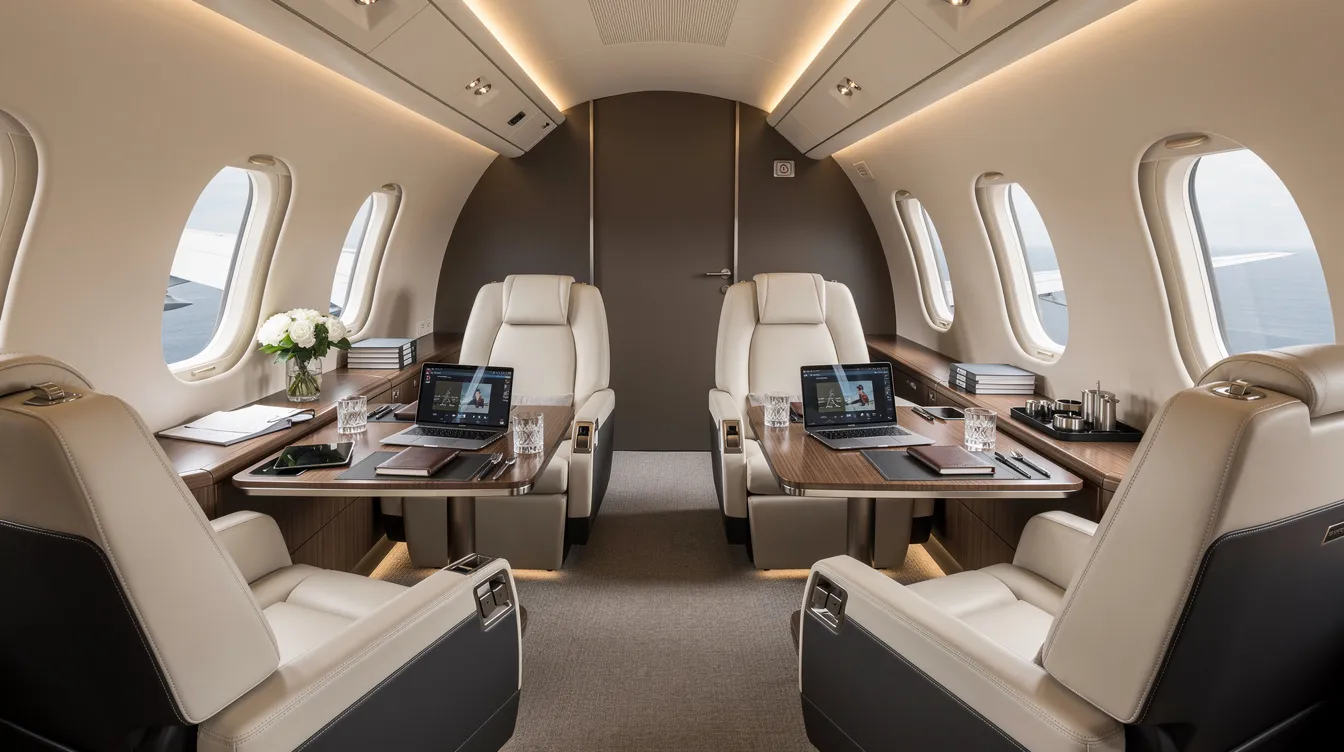
Flying private with a membership model like FLYT
Frequent flyers in 2026 increasingly prefer access models because ownership can create unnecessary friction. Full ownership and fractional ownership tie up capital, require administration, and introduce residual value risk. For many travelers, the strategic question is not “Can I own?” but “Does ownership improve the outcome enough to justify the complexity?” Learn more about how FLYT works.
How membership-based private aviation works
A membership-based private aviation service works differently. Members pay an annual or monthly fee, receive access to a vetted floating fleet, use predefined fixed hourly rates, and work with a dedicated team for each trip. The goal is not total control of one aircraft. The goal is reliable access to the right aircraft, in the right location, at a predictable cost.
FLYT’s model is built around an asset-light aviation structure. Rather than asking members to buy a share of an aircraft, FLYT focuses on providing access through a global network of operators and available aircraft. This risk pool model spreads demand across multiple aircraft and operators, helping support aircraft availability while reducing dependency on a single tail. See FLYT’s risk pool and asset-light floating fleet for details.
Operational advantages and concierge support
The operational advantages are clear. Private flights operate on flexible schedules to accommodate last-minute changes. Private jet travel allows for flexible scheduling and last-minute trips. Charter flights can be arranged within three hours of contract signing when aircraft, crew, and approvals are available. In some technology-enabled markets, booking can be completed online in seconds with real-time availability, although complex missions still benefit from aviation experts reviewing flight details.
For executives and families, FLYT’s concierge approach supports more than the flight itself. Members can coordinate ground transportation, ground transport, catering, FBO preferences, pets, specialized luggage, and multi-leg itinerary timing. The ability to customize services matters when a trip involves children, board materials, a tight meeting schedule, or multiple destinations in one day.
The value of personal relationships
This is also where personal relationships still matter. Technology can accelerate the booking process, but experienced coordination reduces operational friction. A dedicated team that knows a member’s travel needs can anticipate aircraft preferences, catering requirements, preferred airports, and communication style.
For CFOs and family offices, fixed hourly rates and transparent surcharges make annual air travel planning more disciplined. Ad hoc jet charters may offer flexibility, but variable charter pricing can make budgeting difficult. FLYT’s membership structure is designed to provide predictable private aviation economics without requiring ownership costs. Learn about FLYT’s pricing transparency and the advantages of membership.
Charter a private jet step-by-step
Chartering a private jet is more straightforward than many first-time flyers expect, especially through a membership platform. The process is structured, but the experience is designed to be efficient.
Define the route and timing.
Start with departure city, destination, preferred travel date, and departure window. Private jet charters allow for direct access to over 1,000 airports, and private jets allow direct access to more airports than commercial flights. This can reduce surface travel and save significant time.
Share passenger and trip details.
Provide the number of passengers, luggage needs, pets, medical considerations, catering preferences, and whether the cabin will be used for work or rest. Private jets offer a more comfortable travel experience than commercial airlines because the itinerary and cabin setup can be tailored to the traveler.
Select the aircraft category.
The provider will recommend aircraft options based on range, runway length, baggage, cabin requirements, and cost. The right aircraft may not be the largest aircraft; it is the aircraft that fits the mission efficiently.
Review available aircraft and pricing.
A member may receive several charter options with estimated flight time, aircraft type, total cost, and any routing efficiencies. If empty legs exist, the provider can explain the savings and restrictions.
Confirm the trip.
After reviewing terms and payment requirements, the traveler receives itinerary details, FBO address, crew information where appropriate, and timing guidance. Chartering a private jet incurs significant financial costs associated with operating hours, so clarity before confirmation matters.
Coordinate the details.
Concierge support can arrange ground transportation, catering, and special requests. This is where private aviation differs from a basic transaction: the provider manages the operational pieces around the flight.
Arrive and board.
On departure day, travelers typically arrive 20–30 minutes before takeoff at the FBO rather than navigating commercial airport lines. Chartering a private jet can save significant travel time because the traveler avoids long check-in windows, security queues, and many commercial connection points.
Private jets provide access to over 20,000 aircraft globally through broad charter and membership networks, but the quality of the booking experience depends on curation, safety standards, operator relationships, and service consistency.

Who benefits most from flying private?
Private air flights are most compelling when time, privacy, and reliability have measurable financial or personal value. They are not always the lowest-cost form of air travel, but they can be the most efficient.
Business travelers
Frequent business travelers benefit when schedules are dense. A founder may need to visit three secondary markets in one day. A portfolio manager may need to move between operating companies without losing hours to commercial connections. Regional executives may need to reach facilities near airports with limited commercial flights. For this group, private aviation can provide significant time savings compared to commercial flights.
A useful threshold is annual usage. On-demand charters are ideal for occasional flyers under 25 hours. Jet cards offer predictable pricing for 25-100 flight hours yearly. Fractional ownership suits frequent flyers over 100 hours annually, especially when usage is consistent. Membership-based access like FLYT often becomes efficient for frequent flyers who want more structure than sporadic charter but less capital exposure than ownership.
Families and lifestyle travelers
Families and lifestyle travelers benefit differently. They may split time between New York, South Florida, the Mountain West, and Europe. They may travel with children, pets, skis, golf clubs, or significant luggage. Flexible aircraft access helps them adjust the aircraft to the trip rather than overpaying for the same aircraft on every route.
Specialized use cases
Specialized use cases also matter. Private aviation can reach remote sites, secondary markets, island destinations, and locations where commercial airline schedules are inefficient. Private jets can land much closer to final destinations than commercial airlines can, which can transform the total trip time even when the airborne flight time is similar.
The environmental impact of private jets includes higher carbon emissions per passenger. Sophisticated travelers and companies should account for that reality through thoughtful aircraft selection, efficient routing, fuller passenger utilization, and credible sustainability programs where available.
How FLYT’s model compares to jet cards and fractional ownership
Many readers evaluating FLYT are already using jet cards, fractional programs, or private jet charter services. The comparison should be made on structure, not just the hourly rate.
Jet cards
Jet cards can be useful for 25–100 hours per year because they offer predictable hourly pricing. However, they often require substantial deposits, and jet cards typically require a minimum deposit of $50,000 to $150,000. They may also include peak-day restrictions, blackout dates, minimum flight times, fuel surcharges, or limits on aircraft categories. The advertised rate is not always the true cost. See FLYT vs jet cards and FLYT vs brokers vs jet cards.
Fractional ownership
Fractional ownership provides stronger access for some high-use travelers, but it is a capital commitment. Fractional ownership requires significant upfront investment and commitment, plus monthly management fees and occupied hourly charges. Exiting the program may depend on resale market conditions, aircraft age, and contract terms. For travelers whose usage changes, a fractional share can become mismatched to the mission. Learn more at FLYT vs fractional ownership.
FLYT’s membership approach
FLYT’s membership approach is different. There is no aircraft to buy, no equity share to resell, and no requirement to commit to one specific aircraft category. Members access a broader floating fleet at fixed hourly rates, supported by concierge planning and aviation experts.
The risk pool model is central. By spreading utilization across many members, aircraft, and operators, an asset-light private aviation model can support access without forcing each member into ownership economics. It also helps members compare options across aircraft categories, rather than defaulting to a single jet size.
This is ultimately a capital allocation decision. Instead of tying capital into aircraft ownership, members can keep capital in core investments while still securing reliable global private jet access. For many private jet travelers, that is the more modern way to fly.
FAQ
For more answers, visit the full FLYT FAQ.
How far in advance do I need to book a private air flight?
Same-day and next-day departures are often possible, especially for members, but 3–7 days’ notice usually improves aircraft availability and charter pricing. Peak periods such as major holidays, global events, and large conferences may require several weeks of planning to secure preferred aircraft types. FLYT’s concierge team can advise on realistic lead times by route and season.
Can I use private air flights for international routes?
Yes. Private jets routinely operate international flights, including transatlantic and certain ultra-long-range missions between North America, Europe, the Middle East, and parts of Asia. Passports, visas, customs, and permits still apply, but private terminals and pre-clearance arrangements can streamline the process. FLYT supports route planning, aircraft selection, international handling, and operator coordination.
Are private air flights always faster than commercial airlines?
Not always in the air. Block-to-block flight time can be similar on some routes. The time savings usually come from arriving 20 minutes before a private departure instead of 90–120 minutes before a commercial flight, avoiding crowded terminals, and flying nonstop to smaller regional airports. On very long-haul routes, fuel stops may be required, but total journey time can still be competitive when connections and ground transfers are included.
How predictable are costs if I fly private several times a month?
Ad hoc charter pricing can fluctuate with demand, fuel, positioning, and aircraft availability. Fixed hourly rates under a membership like FLYT provide a known cost per flight hour, with clearer rules for surcharges such as de-icing, overnight crew, or international handling. That predictability is valuable for companies and family offices that forecast annual private aviation spending.
What level of support can I expect beyond the flight itself?
Modern private aviation memberships typically include access to specialists who coordinate aircraft selection, routing, schedule adjustments, catering, FBO logistics, and ground transportation. FLYT is designed to function as a long-term partner in managing global air travel, not simply a one-off booking platform. The result is a more consistent, efficient approach to private flights over many trips.
Conclusion
Private air flights are no longer defined by ownership alone. In 2026, the smarter conversation is about access, aircraft fit, pricing transparency, and operational reliability.
For occasional flyers, on-demand charter may be enough. For some structured users, jet cards or fractional ownership may still fit. But for frequent flyers who want flexibility, fixed hourly rates, global reach, and less ownership complexity, a membership model can be a more efficient way to approach private aviation.
Explore a membership model designed around efficiency, transparency, and flexible private jet access with FLYT.