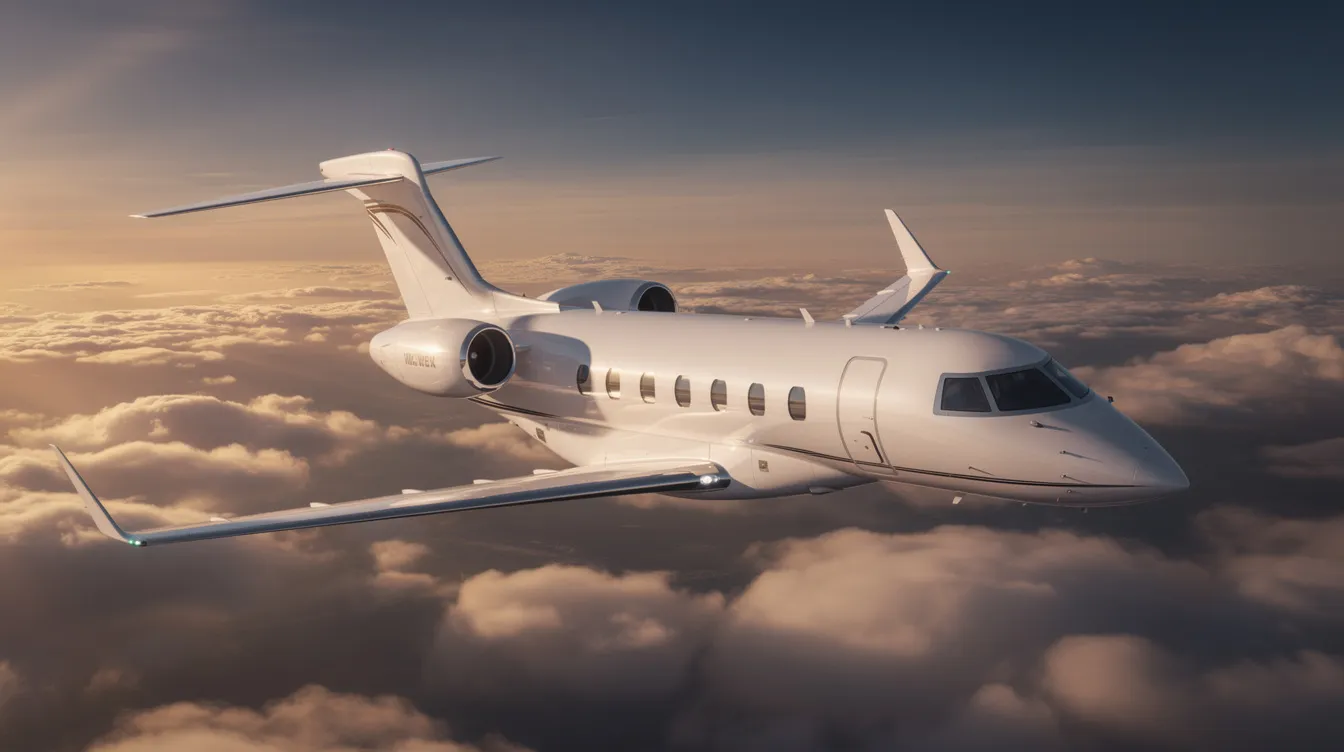
Private aviation has experienced record growth since 2020, and there are 24,270 private jets in operation worldwide. That growth has changed what discerning travelers expect from luxury private jets. A luxurious private jet is no longer defined by lavish specifications alone; it is defined by control over time, privacy, route efficiency, and reliable access.
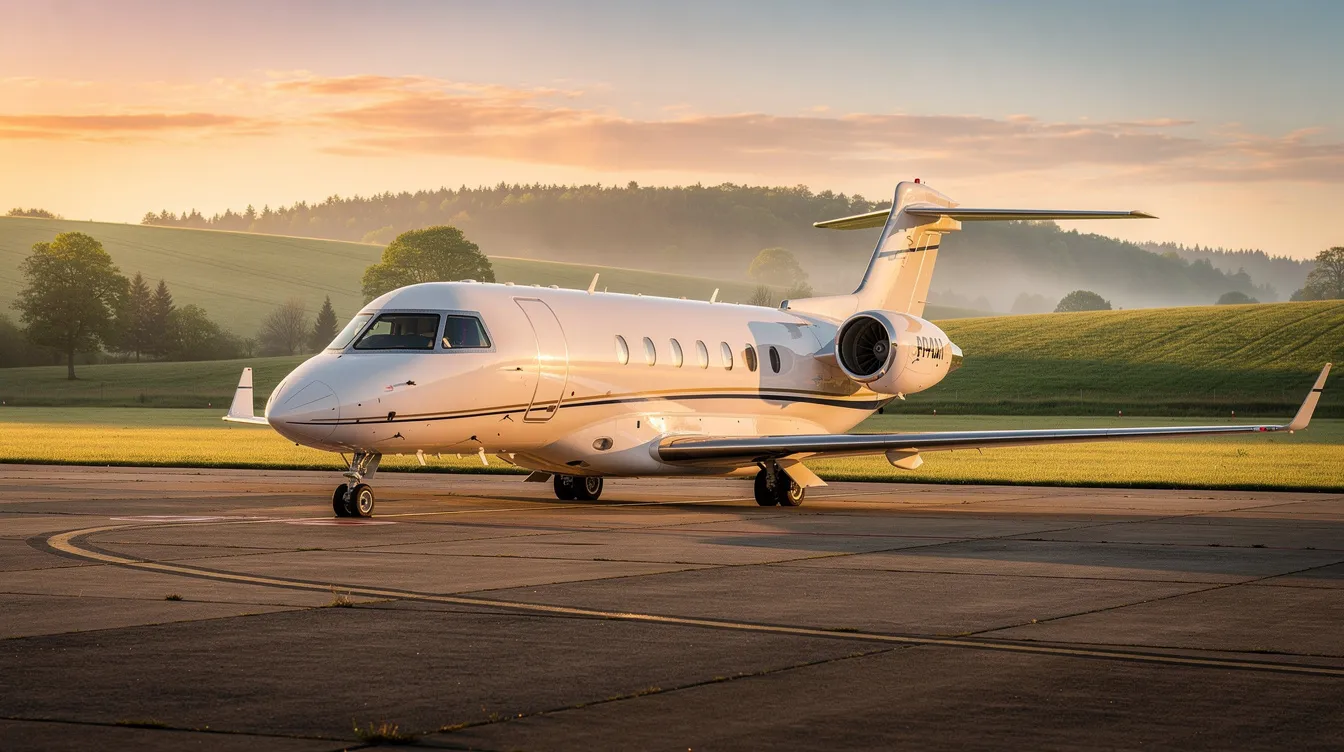
Aircraft such as the Bombardier Global 7500, Gulfstream G700, Dassault Falcon 8X, and Boeing Business Jet platforms show how the private jet market has matured. These aircraft connect distant cities, support business travel, and create private suites that function as workspaces, bedrooms, and meeting rooms.
FLYT’s view is simple: the smarter luxury private approach is access without unnecessary capital exposure. Members experience private aviation with predictable private aviation costs, concierge service, and aircraft matched to the mission. Learn more about how FLYT works and explore FLYT's platform.
Key takeaways
FLYT provides membership-based access to a luxury private plane experience without buying an aircraft, using fixed hourly rates and transparent pricing. Learn more about FLYT's memberships.
Members can fly private across light jets, mid-size jets, mid-size jets, large jets, long-range private jets, and ultra-long-range aircraft through a global floating fleet. Discover the asset-light floating fleet model.
Luxury today is not only bespoke interiors; it is saved flight time, direct routing, passenger safety, privacy, productivity, and global access. Explore FLYT's advantage.
Fleet interchange lets executives choose the right aircraft for each round trip instead of forcing every mission onto one owned jet. See how aircraft interchange enhances flexibility.
This guide compares ownership, private jet charter, jet cards, fractional ownership, and private jet membership as strategic access models. For detailed comparisons, visit FLYT vs charter, jet cards, and fractional ownership, FLYT vs jet cards, and FLYT vs fractional ownership.

Understanding business aviation: from light jets to Boeing Business Jets
Business aviation is private, on-demand flying for business leaders, investors, families, and high-net-worth travelers who need more control than commercial first class can provide. Private jets access around 10 times more airports than airlines, including remote destinations and shorter runways.
Light jets such as the Phenom 300E and Citation M2 Gen2 suit small groups, four to eight passengers, and regional missions of roughly 1,500–2,500 nm.
Midsize and super-midsize business jet options, including the Citation Latitude and Bombardier Challenger 350/3500, add stand-up cabins, baggage capacity, and better range.
Large and ultra-long-range jets, including Bombardier Global, Gulfstream G550/G650/G700, other Gulfstream models, and Dassault Falcon aircraft, serve long-haul flights and intercontinental travel.
Boeing Business Jet and Airbus Corporate Jets offer multiple lounges, bedrooms, offices, and dining spaces for delegations, air force operators, and ultra-high-net-worth families.
FLYT’s membership programs provide access to a variety of aircraft, so one member can use a purpose-built business jet for San Jose meetings and a global-range aircraft for the Middle East. See FLYT memberships for details.
Aircraft categories and examples: choosing the right luxury private plane
The best aircraft is mission-specific.
Aircraft category | Typical models | Passenger capacity | Range (nautical miles) | Ideal use case |
|---|
Light jets | Phenom 300E, Citation M2 Gen2 | 4–8 | 1,500–2,500 | Regional trips, short runways, day returns |
Midsize jets | Citation Latitude, Falcon 50EX | 7–9 | 2,500–3,000 | Coast-to-coast US flights, stand-up cabins |
Super midsize jets | Challenger 350/3500, Citation Longitude | 8–12 | 3,200–3,500 | Longer range, quiet cabins, increased baggage |
Large & ultra-long-range jets | Global 7500, Gulfstream G700, Falcon 8X | Up to 19 | 6,450–7,750 | Intercontinental, nonstop long-haul flights |
VVIP aircraft | BBJ 787, ACJ320neo | Customizable | Varies | Multi-lounge, apartment-style interiors for delegations |
Aircraft fleet interchange allows access to various jet types. Fleet interchange provides flexibility without ownership burdens. Private jet users can select aircraft tailored to each trip, with access to hundreds of aircraft models available through interchange. Learn about aircraft interchange and the floating fleet model.
Advanced technology, comfort, and design in modern luxury private planes
Modern comfort is practical. Cockpits use fly-by-wire controls, synthetic vision, and advanced technology to support smoother handling, fuel efficiency, and passenger safety. Dassault and Gulfstream models use cutting-edge technology to reduce workload and improve route management.
Connectivity matters as much as seating. Ka-band internet, Ku-band systems, Starlink installations, and Gogo Avance L5 support high-speed connectivity, secure work, video calls, and file transfer at altitude.
Cabins now include industry-leading cabin altitude, innovative lighting systems, advanced entertainment systems, HEPA-grade filtration, and acoustic insulation. Large aircraft may include customizable cabins, conference zones, showers, and crew rest areas. FLYT can source aircraft around requirements such as a full galley, conference table, shower, or specific connectivity package. See FLYT's AI fleet engine for optimized aircraft selection.
Long-range capabilities: connecting global cities without compromise
Long-range capabilities reduce stops, hotel nights, and schedule risk. The Global 7500 reaches about 7,700 nm, the G700 about 7,750 nm, and the Falcon 8X about 6,450 nm, according to manufacturer data from Bombardier and Gulfstream.
These long-range private jets can connect New York–Dubai, London–Singapore, São Paulo–Miami, and, depending on winds and payload, Los Angeles–Sydney. Maximum range is always affected by passengers, baggage, weather, airspace, and reserves.
Ultra-long-range aircraft cost more per hour than light or super-midsize jets. FLYT’s risk pool model helps members choose ultra-long-range capacity for quarterly Asia trips, then switch to smaller aircraft for frequent regional travel.
Ways to access a luxury private plane: ownership, charter, jet cards, and membership
Owning a private jet offers total control and customization. It also requires capital, management, and fixed costs. Total cost of ownership includes fuel, crew salaries, and maintenance, plus insurance, hangarage, training, and compliance. New ultra-long-range aircraft can exceed $70M–$80M.
Fractional ownership allows shared access to private jets. It can improve availability, but it often involves multi-year contracts, monthly fees, and limits when travel patterns change. Compare FLYT vs fractional ownership for insights.
Chartering provides on-demand access to various aircraft models. Charter services eliminate high upfront costs of ownership. Chartering costs range widely based on aircraft type and demand, and chartering is more cost-effective for those who fly less frequently. Chartering offers flexibility to choose different aircraft types based on trip requirements. In some structured programs, chartering offers fixed hourly rates and guaranteed aircraft availability. Learn more at FLYT vs charter and charter volatility protection.
Jet cards offer flexible access without full ownership responsibilities. Jet card programs offer predictable pricing for private flights, although peak-day rules, taxes, and aircraft-category limits require careful review. See FLYT vs jet cards.
Private jet membership offers flexible access to aircraft. Private jet membership eliminates the need for ownership costs. Private jet membership allows for on-demand flight scheduling. Members can enjoy concierge-level service during flights. Explore FLYT memberships and pricing for details.
Inside the cabin: what defines a luxury private plane experience today
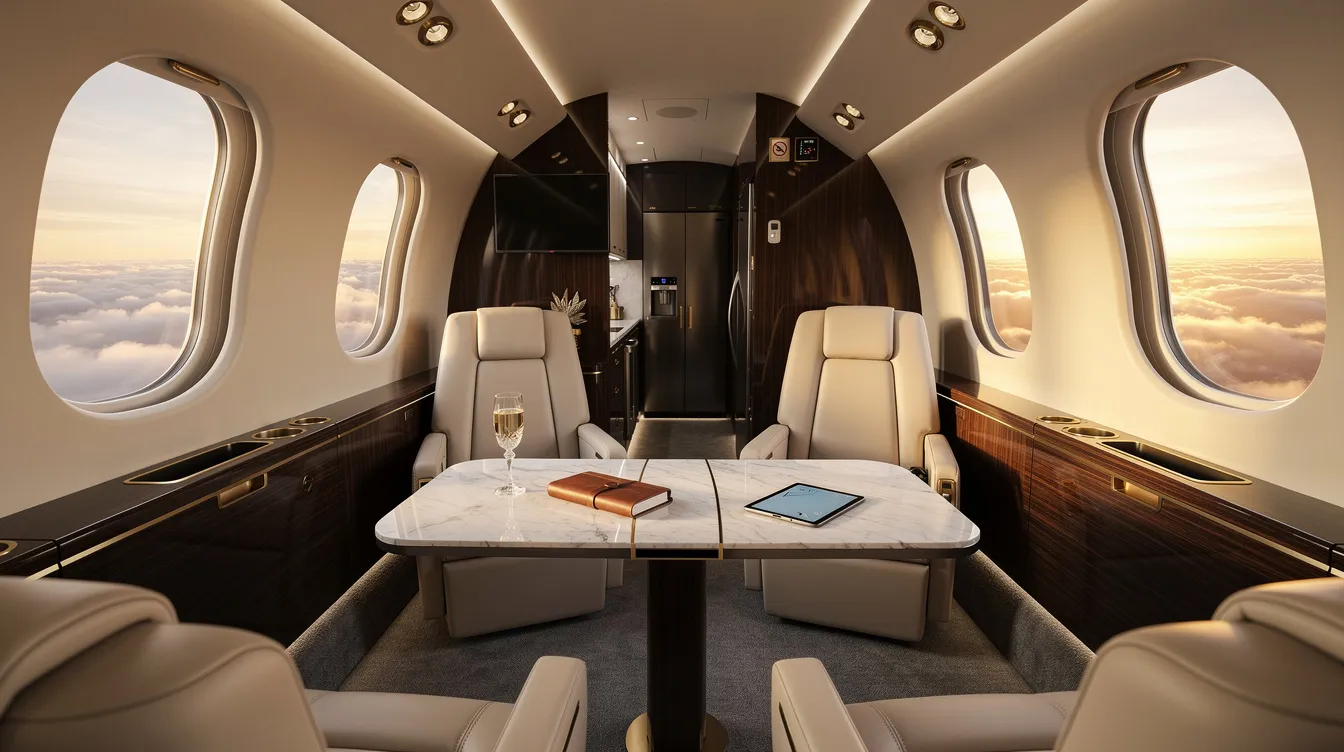
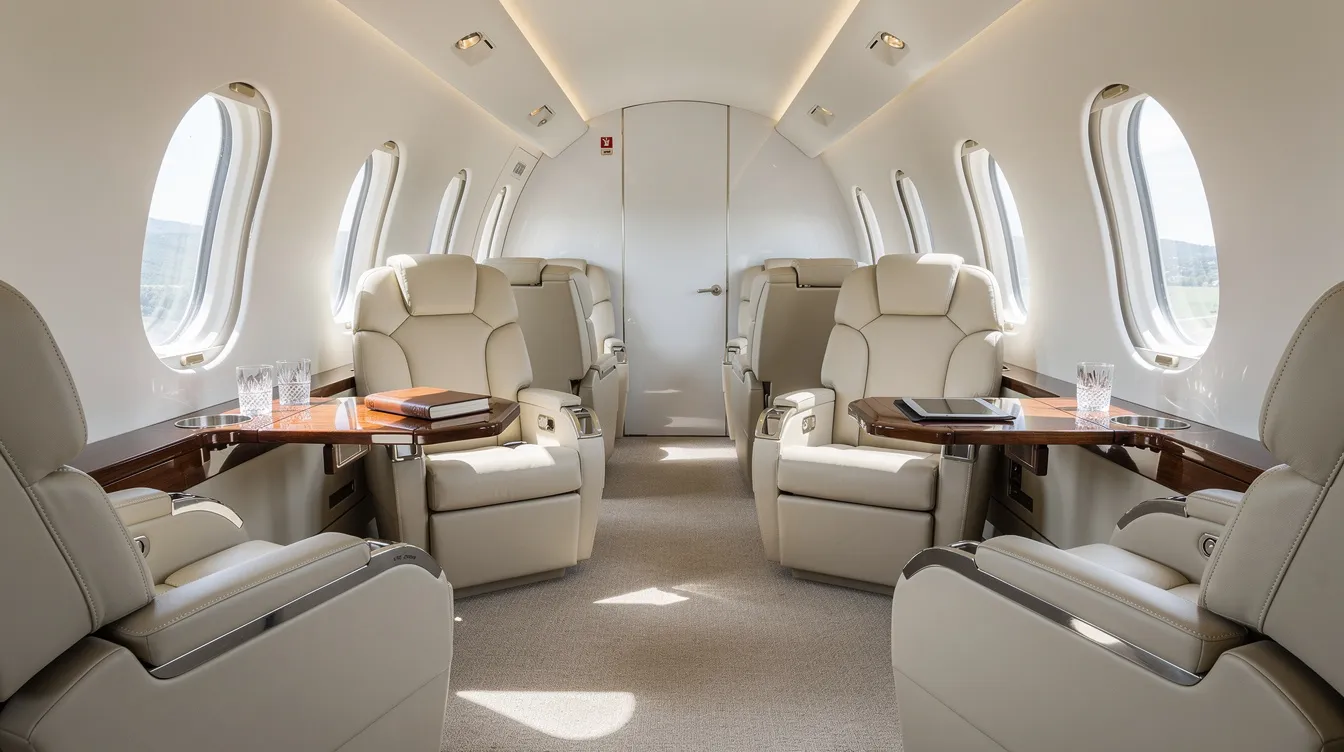
Luxury private planes provide a bespoke, high-end aviation experience. Luxury private planes are designed as customizable flying residences, but the value is reduced fatigue and better decisions after landing.
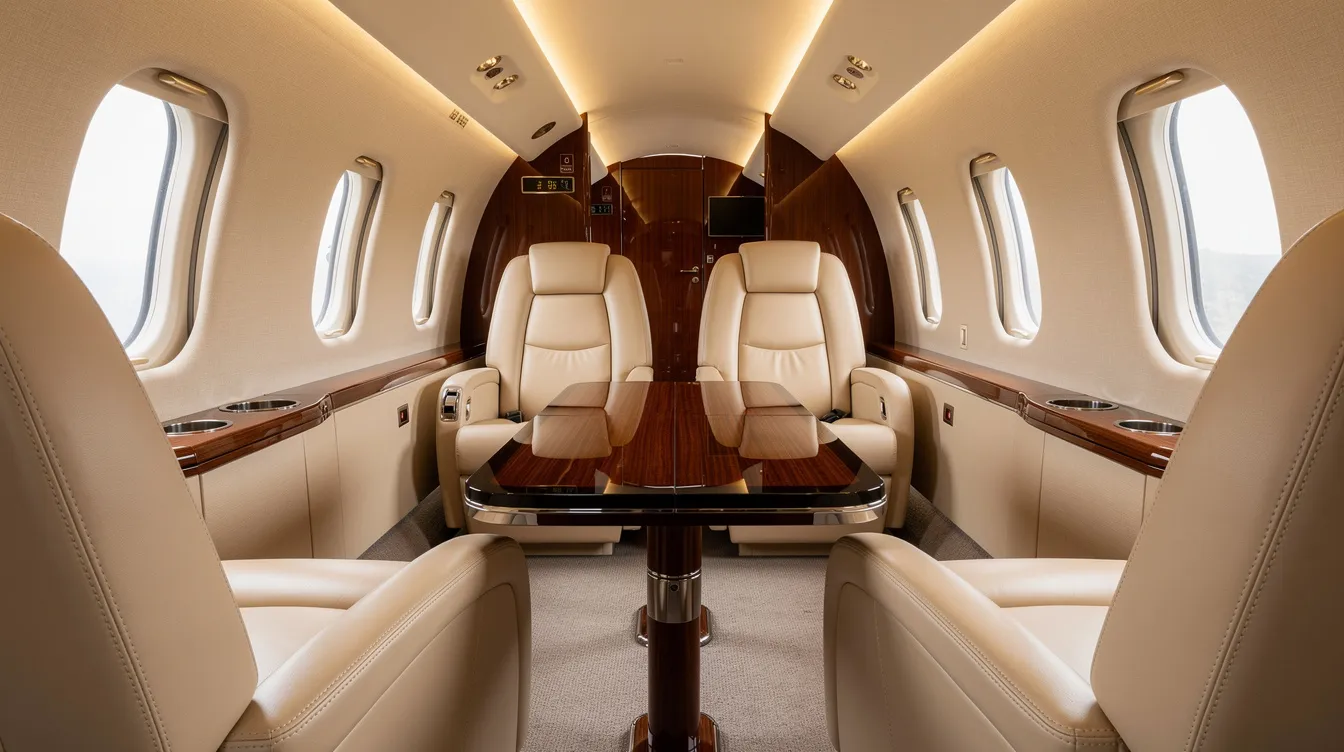
Luxury jets often feature custom designs and superior materials. Interiors of luxury planes are crafted using premium materials like fine leather and polished wood. Luxury jets often have spacious cabin layouts for comfort over long distances, and many luxury planes feature fully enclosed master bedrooms with king-sized beds.
Luxury jets include full-service galleys equipped for multi-course in-flight dining. Luxury jets include full galleys for gourmet food preparation. Luxury jets include dedicated, personalized service from experienced flight attendants. Luxury aircraft frequently feature high-definition screens and advanced sound systems.
FLYT’s concierge support coordinates catering, ground transport, preferred seating plans, and privacy needs before departure. Learn more about FLYT premiums and concierge.
How FLYT approaches luxury private plane access
FLYT is a membership-based, asset-light private aviation model. The asset-light model reduces ownership responsibilities for private jets. This model offers flexibility in aircraft access without capital investment. Users can enjoy premium travel experiences without owning a jet. The asset-light model is popular among high-net-worth individuals. It allows access to a variety of aircraft tailored to specific needs. Learn about FLYT's asset-light floating fleet.
Fleet interchange enhances travel efficiency for business aviation. A member can use a light jet for a two-person meeting, a Challenger for multi-city business travel, and a Global 6000 or Falcon 8X for transoceanic board meetings.
Transparent pricing eliminates hidden fees in private aviation. Transparent pricing allows clients to understand total trip costs upfront. Transparent pricing models are increasingly popular in private aviation. Fixed hourly rates contribute to transparent pricing in private aviation. Fixed hourly rates provide predictable pricing for private jet charters. Fixed hourly rates allow travelers to select aircraft tailored to each trip. Private jet services often use fixed hourly rates for pricing transparency. See FLYT pricing and FAQ for details.
Operational efficiency and safety in luxury private aviation
True luxury depends on disciplined operations. Operators must adhere to stringent safety and regulatory compliance standards, including FAA Part 135 or equivalent rules, recurrent pilot training, and third-party audit expectations such as ARGUS, WYVERN, or IS-BAO.
High-end aircraft often use maintenance programs such as Rolls-Royce CorporateCare, Honeywell MSP, and Bombardier Smart Parts to support reliability. Long-range missions require alternates, fuel planning, crew rest, oceanic routing, and contingency planning.
FLYT prioritizes safety, regulatory compliance, and operational feasibility over convenience. That is essential when managing complex global mobility.
Sustainability and the future of luxury private planes
Many corporate users now weigh environmental impact alongside convenience. Newer aircraft improve fuel efficiency through modern engines, aerodynamic wings, and lighter materials. SAF availability is expanding in North America and Europe, though supply remains inconsistent.
Carbon offset programs and insetting can be integrated into private travel strategies. Over time, hybrid-electric regional aircraft, smarter routing, and stricter airport rules may reshape luxury jets. FLYT can help members align route choice, aircraft selection, and optional offsets with broader ESG goals.
Frequently asked questions about luxury private planes
How much does it cost to own versus access a luxury private plane?
A new Gulfstream G700 or Bombardier Global 7500 can exceed $70M–$80M, with annual operating costs often reaching several million dollars. Membership and charter models shift spend toward hours flown instead of depreciation and fixed ownership costs. See FLYT pricing for access model costs.
Which luxury private plane is best for both business and family travel?
There is no single best aircraft. A Global 6000, Gulfstream G550, or Falcon 8X suits mixed business and family use, while a Challenger 350 or Citation Longitude can be more efficient for families of 4–8 on shorter missions.
How far in advance do I need to book a luxury private plane?
Routine trips often benefit from 48–72 hours’ notice. Holidays, major events, and peak periods are better planned one to two weeks ahead. Same-day flights may be possible, but aircraft choice can be limited. For booking details, visit the Contact Us page.
Can I work securely on board a luxury private jet?
Yes, with the right setup. Private cabins, controlled FBO access, and onboard connectivity support confidential work. For sensitive data, use corporate VPNs and follow internal security policies.
How does FLYT differ from a traditional jet card or charter broker?
FLYT operates as a membership model with a floating fleet, fixed or clearly defined rates, fleet interchange, and concierge-level trip management. The goal is not isolated transactions, but a managed private aviation strategy. Compare FLYT vs brokers vs jet cards in detail.
Conclusion: redefining luxury private plane access for modern executives
In 2026, maximum luxury is not simply maximum comfort. It is the ability to choose the right aircraft, reach distant cities efficiently, maintain privacy, and arrive ready to perform.
For many sophisticated travelers, access is smarter than ownership. FLYT brings global access, fleet interchange, fixed hourly rates, concierge support, and predictable cost control into one membership model. Visit FLYT.com to explore a more flexible approach to global private jet travel designed around efficiency, transparency, and better capital allocation.