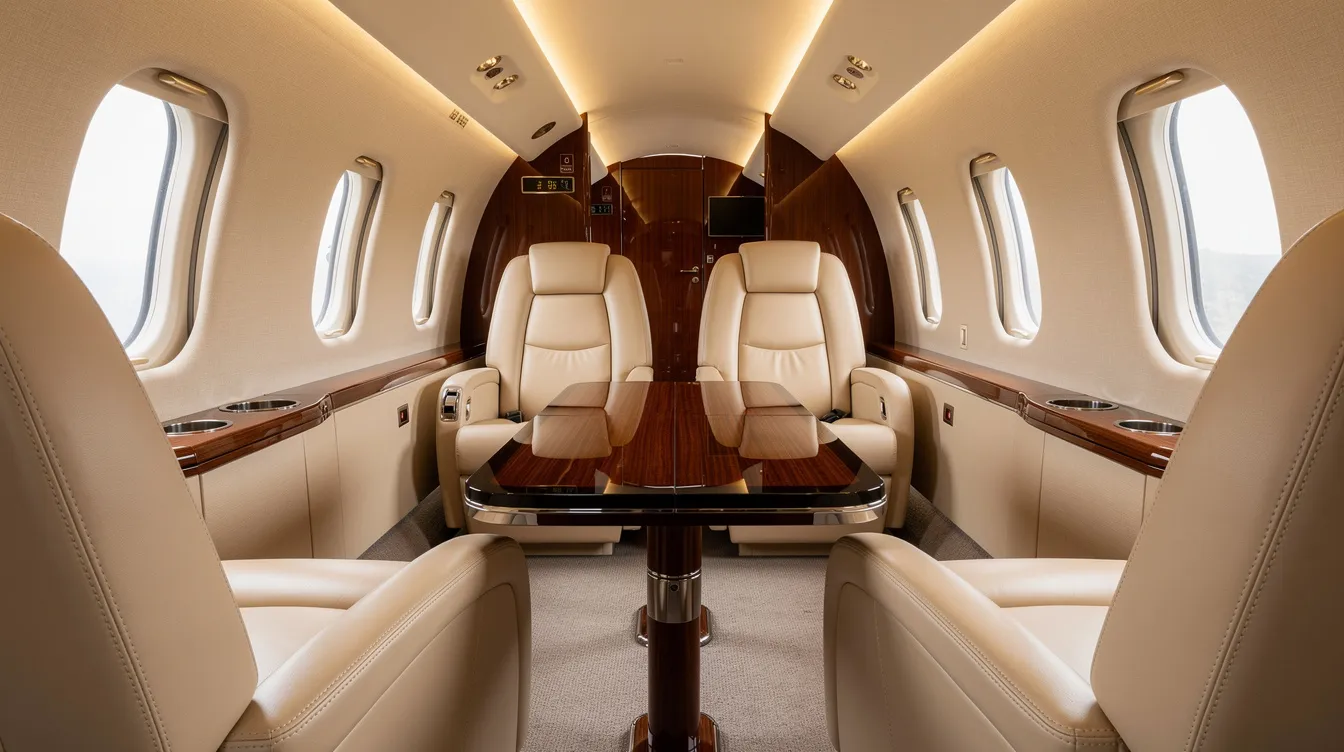
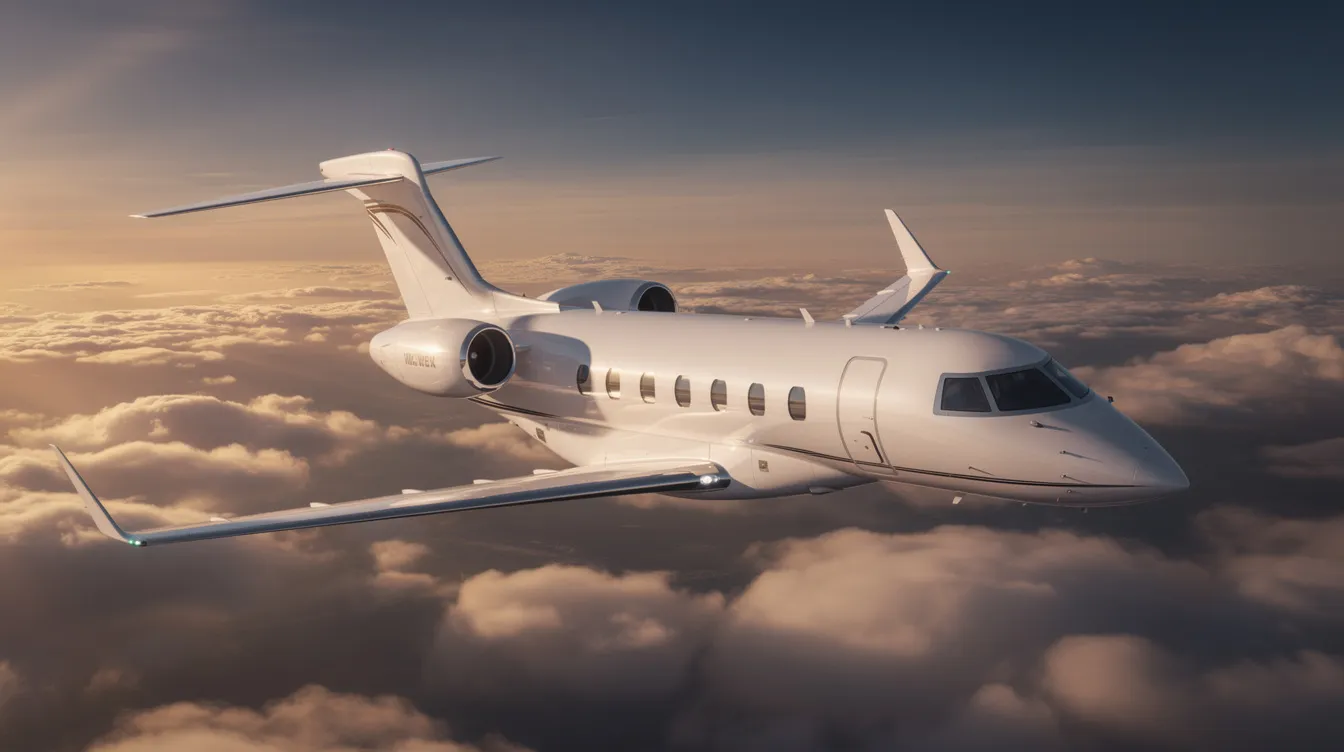
The price of a luxury private jet ranges from $1 million to over $75 million, depending on size, age, range, and configuration. But that sticker price only tells part of the story. What you actually pay to fly private in 2026 is shaped by your access model, your annual flight hours, and the operating costs that accumulate quietly in the background. This guide breaks down the real numbers across every jet category and access structure so you can make a more informed decision about how to fly.
Key takeaways
The luxury private jet price is not a single number. It is a combination of aircraft acquisition cost, ongoing operating costs, and the access model you choose: ownership, private jet charter, or membership. Here is what the landscape looks like in 2026.
Typical hourly charter ranges across aircraft options:
Light jets: roughly $2,900–$3,500 per hour
Midsize jet and super midsize jet: roughly $4,000–$6,000 per hour
Large cabin jets: roughly $7,200–$9,500 per hour
Ultra long range aircraft: roughly $10,000–$14,000+ per hour
These are per-aircraft rates, not per seat. Private jet rental costs range from $2,000 to $14,000+ per hour depending on the jet category.
Purchase price bands for new aircraft in 2026:
Light jets: approximately $3.5–$9 million
Midsize and super midsize: approximately $9–$30 million
Large cabin and ultra long range: approximately $25–$100 million+
Flagship examples like the Gulfstream G700 and Bombardier Global 8000 sit in the $75–$80 million+ range
The real budget impact, however, comes from ongoing costs. Annual operating costs for luxury private jets can range from $500,000 to over $4 million, covering crew salaries, jet fuel, maintenance, hangar fees, private jet insurance, federal excise tax, short leg fees, landing fees, and more. Insurance for private jets typically ranges from $15,000 to $85,000 annually. Flight crew salaries can vary widely, with pilots earning between $85,000 and over $300,000 annually depending on experience and aircraft type. Operating costs for private jets range from $1,000 to $5,000 per flight hour, encompassing fuel, maintenance, and pilot salaries. Landing fees typically range from $100 to $1,500 per flight, adding to the total cost of each trip. Private jet ownership includes fixed costs of $500,000 to $2 million annually before you log a single flight hour.
FLYT's membership model is designed as a smarter alternative: predictable fixed hourly rates, fleet interchange across multiple jet categories, and global access without tying up $10 million to $80 million in a depreciating asset.
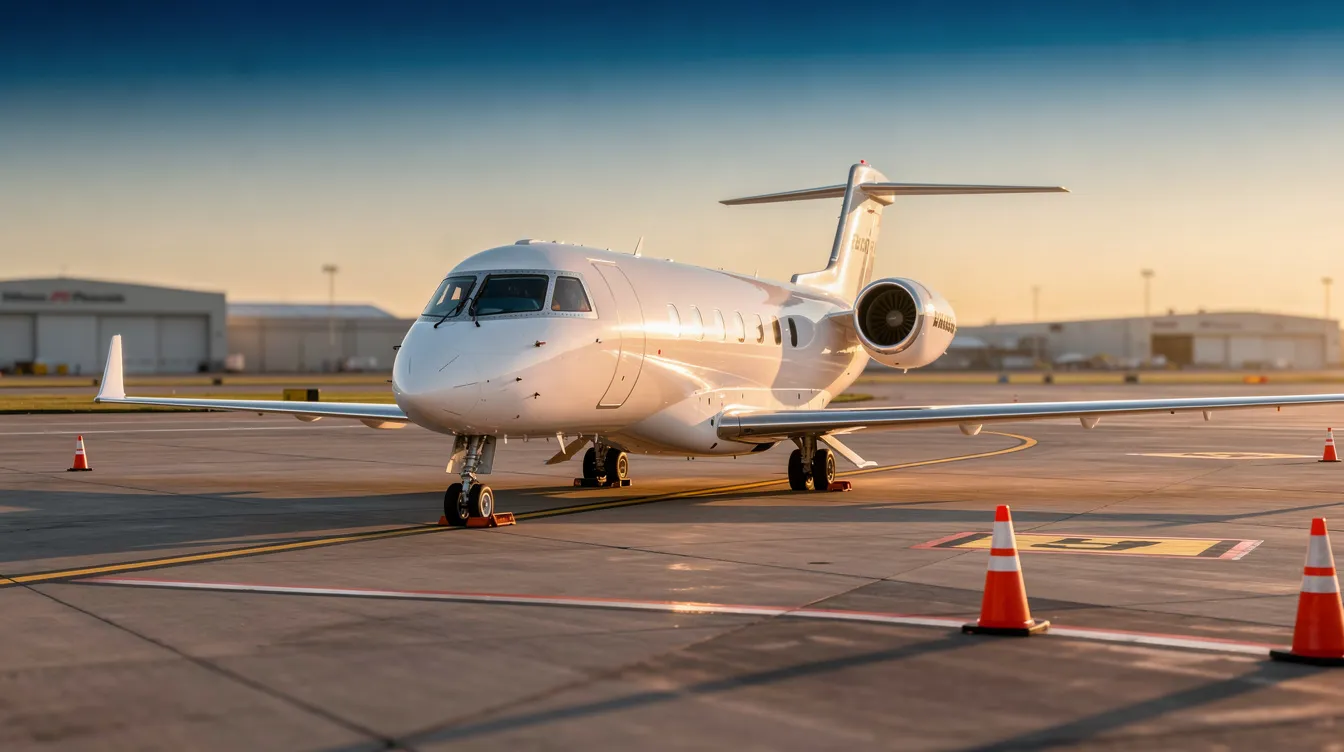
How much does a luxury private jet really cost in 2026?
Headlines about $70 million jets make for dramatic reading, but most private jet owners and charter clients do not experience private aviation at that price point. What high-net-worth travelers actually pay per year depends entirely on whether they buy, charter, or use a membership, and on how many flight hours they accumulate.
Private jet purchase prices vary drastically based on size, age, and range. Here is how 2026 acquisition prices break down by jet category:
Very light jet category and light jets: $3.5–$9 million new. A new light jet like the Cessna Citation CJ4 Gen2 lists around $10 million at the upper end of this range.
Midsize jets typically cost between $9 million and $30 million. The Embraer Praetor 600 carries a new price of approximately $21 million as a super midsize jet.
Large and ultra-long-range jets can cost $25 million to $100 million or more. The Gulfstream G700 starts around $75 million, and the Bombardier Global 8000 lists at roughly $78–$80 million depending on specification.
VIP-configured airliners, such as Airbus ACJ or Boeing BBJ platforms, can reach $100–$300 million+ once fully outfitted.
A new top-tier aircraft typically costs upwards of $70 million. But pre owned jets often trade at 20–50% below new list price after 5–10 years. Older jets like 2000s-era Dassault Falcon 900, Gulfstream G450, or Bombardier Challenger 605 can be found in the $3–$9 million range depending on hours and maintenance history, offering a lower price point for buyers willing to accept pre owned options.
Purchase price is only the initial commitment. For most executives flying privately under 200–250 flight hours per year, the ongoing operating costs and capital lock-up make access models like membership or charter economically smarter. Learn more about how FLYT works.
Luxury private jet categories and price bands
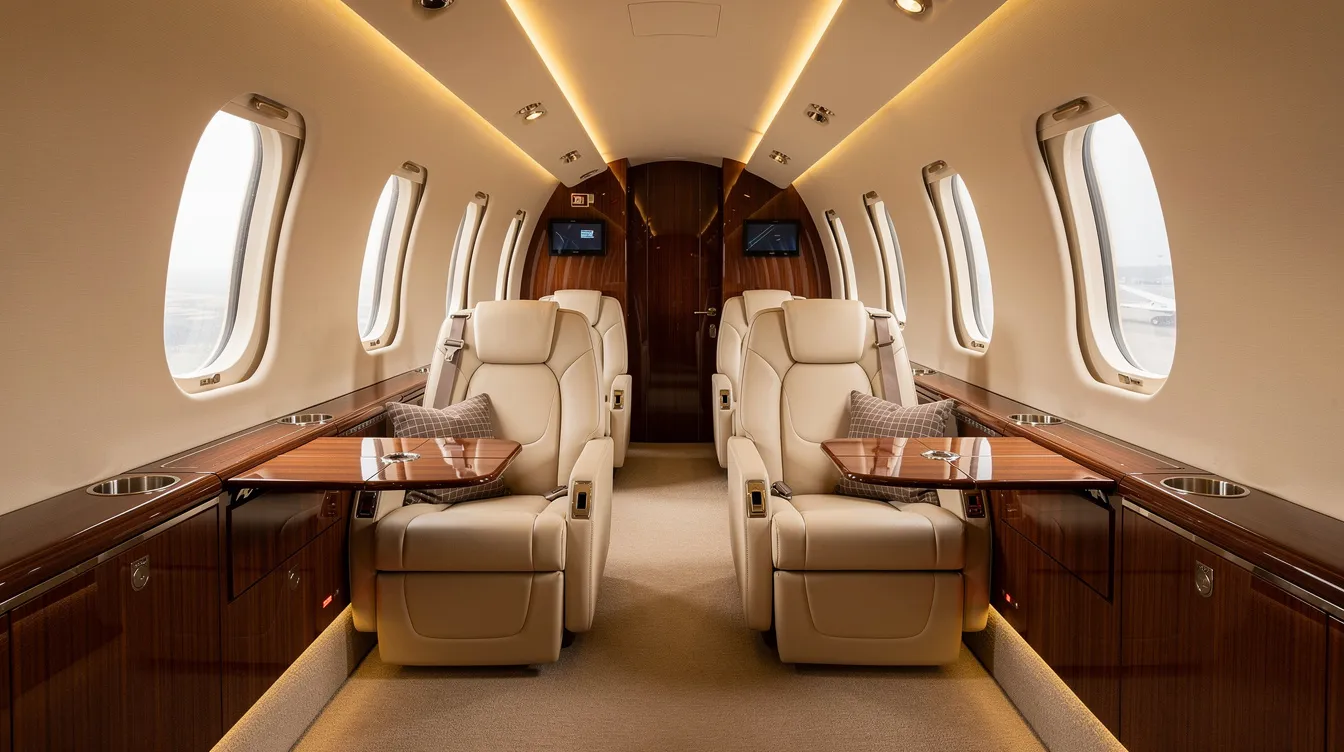
Luxury exists across every jet category. A well-appointed light jet with a premium interior qualifies just as much as an ultra long range flagship built for nonstop intercontinental missions. The difference is scale, range, and cabin space. Advanced avionics and luxury interiors increase the total cost of a private jet, regardless of size. Here is how the categories stack up.
Light jets handle short regional flights and regional hops of 1,500–2,000 nautical miles with 6–8 passenger cabins. Light jets are priced between $3 million and $10 million new. Models like the Embraer Phenom 300E, Cessna Citation CJ3+, and HondaJet Elite serve this segment well. The Cessna Citation Mustang sits at the entry level of the very light jet category. These aircraft often have the lowest private jet pricing among true jets, making them a practical choice for frequent flyers who fly regularly on domestic routes. Turboprop aircraft, while not jets, serve similar short-distance missions at even lower operating costs.
Midsize and super midsize jets seat 7–9 passengers with better cabin height and more space, covering 2,000–3,800 nautical miles. Midsize jets typically cost between $9 million and $30 million new. Notable models include the Bombardier Challenger 3500, Cessna Citation Longitude, and Embraer Praetor 500/600. Mid size jets offer a meaningful step up in spacious cabin comfort and flight distance over light jets in the same class of business jets.
Large cabin jets carry 10–16 passengers with full stand-up cabins, separate zones, and luxury amenities. They cover 6,000+ nautical miles and range from $25 million to $75 million+. Examples include the Gulfstream G650/G700, Dassault Falcon 7X/8X, and Bombardier Global 6500/7500 models. Pre owned market data shows a listed Global 7500 at approximately $59.9 million in 2026.
Ultra long range and flagship jets push 7,500–8,200 nautical mile missions at near-supersonic speed. The 2025–2026 flagships-Gulfstream G800, Bombardier Global 8000, and Dassault Falcon 10X-are priced in the $75–$85 million+ band. These luxury jets target routes like New York to Shanghai or Paris to Santiago nonstop. Larger jets are significantly more expensive due to their size, range, and capacity.
VIP-configured airliners (Airbus ACJ, Boeing BBJ) represent a different financial universe at $100–$300 million+ once completed, with larger aircraft interiors that rival hotel suites.
FLYT members can access multiple jet categories on demand through fleet interchange, rather than committing capital to a single aircraft size that may be inefficient for many missions.
Ownership economics: beyond the sticker price
For buyers, the more important question than "what does the jet cost?" is "what will this private aircraft cost me every year?" over a 7–10+ year ownership horizon. The sticker price is the beginning. The fixed costs are the constant.
Cost category | Typical annual range (USD) | Notes |
|---|
Hangar fees | $30,000–$200,000+ | Varies by location and facility quality |
Private jet insurance | $15,000–$85,000+ | Depends on hull value and operation worldwide |
Management fees | $100,000–$250,000 | If using third-party management |
Crew salaries | $85,000–$500,000+ | Includes captain, first officer, cabin crew |
Operating costs (per hour) | $1,000–$5,000 | Fuel, maintenance, and pilot salaries |
Depreciation | 20–30% over the first 5 years | Significant impact on total ownership cost |
Routine maintenance | $500,000–$4 million annually | Includes scheduled inspections and unexpected repairs |
Operating costs for private jets range from $1,000 to $5,000 per flight hour. Operational costs include fuel, maintenance, and pilot salaries. In 2026 terms, based on industry operating cost guides, variable costs run roughly $1,500–$2,500 per hour for light jets, $3,000–$3,800 for a midsize jet, and $4,500–$7,000+ for large jets and ultra-long-range aircraft.
Fuel costs represent the largest variable expense for operating a private jet. For an actively used large-cabin jet flown 300+ flight hours per year, annual fuel spend alone can reach into the low millions.
Depreciation adds another layer. A $70 million large-cabin jet might lose 20–30% of its value in the first five years. Some models, like the Bombardier Global 6500, have shown depreciation of up to $13 million over four years, depending on market conditions and supply, according to SafeFly market data.
Routine maintenance and unexpected repairs can average between $500,000 and $4 million annually. Engine and airframe programs like Rolls-Royce CorporateCare or JSSI add predictability but also cost several hundred thousand dollars per year, while increasing resale value by 10–25%.
By contrast, FLYT's asset-light floating fleet membership model lets members pay predictable fixed hourly rates and membership fees instead of managing crew payroll, hangars, and maintenance reserves directly.
Charter and rental pricing: what "luxury private jet price" means per hour
Most travelers searching for a luxury private jet price are really comparing private jet rentals or charter trip costs, not the cost to buy an aircraft. Private jet charter is billed on an all-in hourly or route-based basis, making it simpler to compare than ownership.
Typical 2026 charter hourly bands:
Turboprop aircraft: approximately $2,000–$2,300 per hour. Turboprop charters start at around $2,000 per hour.
Light jets: approximately $2,900–$3,500 per hour
Midsize jet: approximately $4,000–$6,000 per hour
Large cabin jets: approximately $7,200–$9,500 per hour. Heavy jet charters can cost closer to $10,000 per hour.
Ultra long range: approximately $10,000–$14,000+ per hour
VIP airliners can run $16,000 to $23,000+ per hour
These prices are per aircraft, not per seat. When spread across 6–14 passengers, the per-person cost of flying private can approach or overlap with full-fare first class on a commercial flight for certain routes.
Core elements included in most luxury charter quotes: aircraft, flight crew, fuel, basic catering, standard ground handling, insurance, and required taxes such as the 7.5% U.S. federal excise tax on domestic segments. Chartering eliminates maintenance and crew management responsibilities. Chartering offers access to a variety of aircraft types for each trip, and chartering costs significantly less than owning a private jet for most usage levels.
High-end operators and membership programs emphasize the difference between "all-in" quotes and itemized quotes. Transparency matters: knowing what is included before confirming.
Example one-way route estimates to illustrate how flight distance and jet category drive price:
New York to Miami on a light jet: approximately $12,000–$18,000
Los Angeles to Chicago on a midsize jet: approximately $22,000–$30,000
London to São Paulo on an ultra-long-range aircraft: approximately $120,000–$180,000+
FLYT's model focuses on fixed hourly rates across categories, subject to mandatory taxes and airport authority fees, giving members predictable private jet pricing in place of fluctuating on-demand charter quotes. Learn more about FLYT's pricing and charter volatility protection.
What really drives the price of a luxury private jet?
Two flights of similar flight distance can be priced very differently because of aircraft selection, timing, and operational constraints. Understanding these drivers helps you evaluate any quote or membership offer more critically.
Key pricing drivers:
Jet category and specific model
Flight distance and flight time
Routing, aircraft positioning, and repositioning needs
Airport and handling fees at regional airports
Government taxes (like the U.S. federal excise tax)
Add-on services and luxury amenities
Aircraft type affects charter costs; larger jets are pricier. A Bombardier Challenger 650 or Gulfstream G200 will command higher hourly rates than light jets because of higher fuel burn, more complex crew requirements, and a more spacious cabin, even when flying similar routes.
Flight distance significantly impacts private jet pricing. Longer legs require more fuel and often a larger aircraft. But a large cabin jet on a very short sector can become inefficient due to short leg fees and disproportionate fuel burn per takeoff and landing cycle.
Destination and positioning matter, especially for international flights. Flying to or from secondary or remote regional airports, particularly in parts of South America or island destinations, can trigger repositioning costs if the aircraft has to come from another region. Empty leg flights sometimes offer discounts, but availability is unpredictable. Additional services like catering add to the overall cost on any route.
Peak demand can increase private jet charter prices. Holidays, major sporting events, and high-season routes tighten available capacity and push rates higher, particularly for in-demand ultra-long-range jets.
Membership models like FLYT's use a risk pool and floating fleet approach precisely to smooth out these variables and keep member pricing more stable across markets and seasons.
Taxes, fees, and surcharges: the often-overlooked 10–20%
Beyond base hourly or ownership costs, taxes and operational fees add a meaningful layer to the true private jet cost. Any serious luxury private jet price analysis should account for them.
A 7.5% Federal Excise Tax applies to all domestic flights in the United States, plus a per-passenger segment fee of approximately $4.50 per leg. International flights touching U.S. territory carry additional head taxes of roughly $19.70 per passenger for most international segments.
Common airport-related fees include:
Landing fees typically range from $100 to $1,500 per flight, depending on airport authority rules and aircraft weight
Ramp and handling fees from FBOs: $100–$500 per stop, sometimes waived with a minimum fuel purchase
Parking or hangar charges during overnight stops
Short leg fees deserve attention. Operators charge these on very short sectors to compensate for the disproportionate fuel burn during takeoff and landing and accelerated maintenance intervals. This particularly affects private jet owners or charter clients using large or ultra-long-range jets for 30–60 minute hops.
Seasonal and operational surcharges include:
Deicing: $1,500–$15,000+ depending on aircraft size
Winter hangar protection: $500–$1,500 per day in colder climates
A fuel surcharge that may start at around $300 per hour when fuel prices spike
Optional extras contribute as well: in-flight Wi-Fi (sometimes billed by megabyte on international legs), upgraded catering ($230–$2,000+ per leg), premium ground transportation ($180–$1,000+), and concierge services. All of these shape the total cost and perception of luxury private travel.
FLYT emphasizes transparent, pre-trip cost breakdowns so members see base hourly rates, mandatory taxes, and any anticipated extras before confirming an itinerary. Explore the FLYT platform to see how it integrates these elements.
Private jet ownership vs. access: when does buying make sense?
For some executives and families, full private jet ownership remains attractive. But financial discipline requires understanding the break-even points before committing capital.
Full ownership is economical around 200–250 hours per year for light and midsize jets. Private jet ownership becomes economical at 200–250 hours per year for most categories. Owning a private jet requires 200–300 flight hours annually to be economical for large jets and ultra-long-range aircraft, where the threshold often sits closer to 300+ hours.
Advantages of owning your own private jet: full control over schedule, interior configuration, aircraft branding, and guaranteed availability at your home airport. Disadvantages: capital outlay, depreciation risk, fixed costs that persist during downtime, and management complexity.
Alternatives to full ownership include:
Fractional ownership: buying a share of a specific private aircraft, typically from 1/16th to 50% share, with multi-year contracts. Fractional ownership ranges from 1/16th to 50% share and requires a commitment of 50 to 400 flight hours annually. See FLYT vs fractional ownership for comparison.
Leasing: both wet and dry structures with monthly payments plus hourly costs. Leasing eliminates high upfront costs and depreciation risks.
Jet cards: prepaid flight time at fixed rates with a specific operator. Jet card memberships offer fixed hourly rates for predictable pricing. Learn more at FLYT vs jet cards.
On-demand charter: pay per trip with no long-term commitment. Compare with FLYT vs charter.
FLYT's membership for business travel represents a more flexible alternative: members access a floating fleet across multiple jet categories, pay fixed hourly rates, and avoid capital risk, while securing predictable access for frequent business and lifestyle travel. See FLYT advantage for details.
If you fly fewer than 200–250 hours annually and want a predictable private jet cost, analyze membership and fixed-rate models first before considering a purchase. For a broader comparison, visit FLYT vs brokers vs jet cards.
How ongoing operating costs shape your long-term budget
Even if you never buy a private aircraft, understanding ownership-level operating costs helps you evaluate whether charter quotes or membership fees are reasonable. Knowing the cost structure behind the price gives you leverage.
Key ongoing costs for jet owners:
Fuel (the largest variable expense, with fuel prices driving significant cost swings year to year)
Maintenance: scheduled inspections, unscheduled repairs, and heavy checks
Engine and parts programs
Flight crew training and recurrent certification checks
Insurance
Hangar or tie-down fees
Navigation and data subscriptions
For a typical large cabin jet, maintenance-related expenses often run $1.25–$1.5 million per year, with at least $500,000 in reserves needed for heavy checks and eventual engine overhauls that can cost $1–$2 million per engine.
Smaller private jets like light jets might carry total annual fixed and variable costs starting around $500,000–$800,000, scaling upward with size and utilization. These figures exclude capital costs and depreciation.
A critical point: aircraft age, total flight hours, and maintenance history can make an apparently inexpensive pre-owned jet significantly more expensive to operate than a newer but higher-priced aircraft with improved fuel efficiency and current engine programs. Older jets carry a higher maintenance risk and often lack warranty protections.
FLYT's fixed hourly rates effectively bundle many of these operating cost variables into a predictable per-hour figure through its platform, shifting cost volatility away from the member and onto the provider's risk pool model.
Regional nuances: pricing to and from South America and other long-haul markets
Not all routes are priced equally in the private aviation market. Flying to South America, Asia, or Africa typically involves ultra-long-range aircraft and additional regulatory fees, raising the total cost well above domestic private jet travel norms.
Routes like New York to São Paulo or Miami to Buenos Aires commonly require large cabin or ultra long range jets-a Gulfstream G650ER, Bombardier Global 7500, or Dassault Falcon 8X-with typical charter pricing well into the high five or low six figures for a one-way trip.
These missions may involve higher overflight fees, landing fees, and handling charges in certain South American countries, plus longer ground times for customs and immigration. All of this influences the luxury private jet price on intercontinental routes.
Sourcing a private aircraft already positioned in the region reduces repositioning charges. Otherwise, an aircraft may need to fly empty from North America or Europe, effectively doubling the flight time billed to the client. Aircraft positioning is one of the highest hidden costs on long-haul private jet service routes.
FLYT's global access and floating fleet model is designed to optimize aircraft positioning across continents, helping members secure more efficient pricing on intercontinental missions, including those to and from South America.

Why many frequent flyers now prefer membership-based private aviation
There is a clear shift in private aviation away from traditional ownership and one-off charter toward structured membership models. Executives, founders, and investment professionals are increasingly choosing access over asset accumulation when it comes to flying private.
The core advantages of a membership like FLYT's include access to multiple jet categories through fleet interchange, fixed hourly rates, no asset ownership, and concierge support for end-to-end trip management. This is the perfect aircraft strategy for travelers whose mission profiles vary from short regional flights to intercontinental legs.
By contrast, jet cards often tie capital to a specific operator and rate schedule, while fractional ownership requires multi-year commitments and shares in a specific aircraft type. Neither offers the same flexibility as a floating fleet membership.
Membership suits travelers flying anywhere from 25–300 hours per year who want predictable pricing and flexibility without operational headaches such as flight crew scheduling, maintenance planning, or resale risk. FLYT's asset-light, floating fleet and risk pool model optimizes aircraft utilization across members, which stabilizes pricing across regions and seasons for operation worldwide.
If you fly regularly, consider evaluating your last 12–24 months of travel hours flown, regions, passenger counts, and compare the implied cost under ownership, ad-hoc charter, and membership to find the model that aligns with your capital strategy.
FAQs about the luxury private jet price
Is it cheaper to buy a light jet or use a membership if I fly 150 hours a year?
At around 150 flight hours per year, full ownership of even a light jet rarely makes economic sense. Once you factor in fixed annual costs-hangar fees, crew salaries, insurance, maintenance, and management-plus depreciation, the all-in cost per hour climbs significantly above what membership or fixed-rate charter would cost. Membership or fixed-rate charter usually keeps total cost per hour lower and far more predictable at this utilization level, while preserving flexibility to upsize or downsize the perfect aircraft per trip. Ownership tends to become more competitive financially above roughly 200–250 hours per year, depending on aircraft type and local cost structure.
How does flying private compare to first class on a commercial flight in terms of cost?
On a per-seat basis, first class on a commercial flight or scheduled airline is usually cheaper than a dedicated private jet, especially on long-haul routes. However, when a private aircraft is filled, for example, 8–10 passengers on a light or midsize jet, the per-person cost can approach or sometimes overlap with full-fare first class on busy business routes. The primary reasons executives choose private aviation over a commercial flight are time efficiency, direct routing to regional airports, cabin privacy, and elimination of airport delays, rather than raw per-seat savings.
What is the most expensive purpose-built private jet I can buy in 2026?
Among purpose-built business jets (excluding VIP airliners), the Bombardier Global 8000 sits at the top of the price spectrum as of late 2025–2026, with a list price in the roughly $80 million+ range depending on specification. It offers a top speed of Mach 0.94–0.95 and an 8,000 nautical mile range, positioning it as an ultra-long range flagship for nonstop missions like New York to Dubai or Los Angeles to Singapore. Fully customized VIP airliners based on Airbus A320neo or Boeing 787 platforms can significantly exceed this once interior completion is included, but those fall into a separate category of larger aircraft.
How do short leg fees impact my private jet cost if I only fly short hops?
Short leg fees are additional charges that operators or private jet owners apply on very short segments to compensate for disproportionate fuel burn and maintenance wear during takeoff and landing cycles. These fees can materially increase the effective hourly rate of large or ultra-long-range jets on 30–60 minute flights, making smaller aircraft or turboprop aircraft a smarter choice for short regional flights. A membership model with access to multiple jet categories, like FLYT, lets you match aircraft size to mission length, reducing the impact of short leg fees over a full year of private jet travel.
Can I fix my private jet cost in advance for a full year of flying?
It is difficult to fully fix every element, since taxes, airport fees, and fuel surcharges fluctuate. However, fixed hourly rate memberships and jet cards can lock in the core flight-hour pricing for a defined period, giving you substantially more predictability than on-demand charter. Programs like FLYT's are designed to provide predictable hourly rates across a range of aircraft types, with clear disclosure of which third-party charges, such as federal excise tax or specific landing fees, are passed through. Ask any provider for a sample annual cost model based on your expected hours, routes, and jet category mix to understand how "fixed" your true cost of flying privately will be. For more details, visit FLYT FAQ.
Conclusion: redefining "luxury" in private jet pricing
The luxury private jet price is not just about the most expensive aircraft list price. It is about how you structure access, manage operating costs, and preserve flexibility across changing travel needs. The total cost of mobility, including time saved, schedule control, and reduced friction, matters more than any single hourly rate or acquisition figure.
For most high-net-worth individuals and businesses flying fewer than 300 hours per year, membership-based access with fixed hourly rates is often a more intelligent allocation of capital than owning a depreciating $20–$80 million asset. The economics are clear, and the trend in the private aviation market reflects it.
Discover how FLYT structures private jet membership to provide global access, predictable pricing, and concierge-level support, without the burden of ownership.