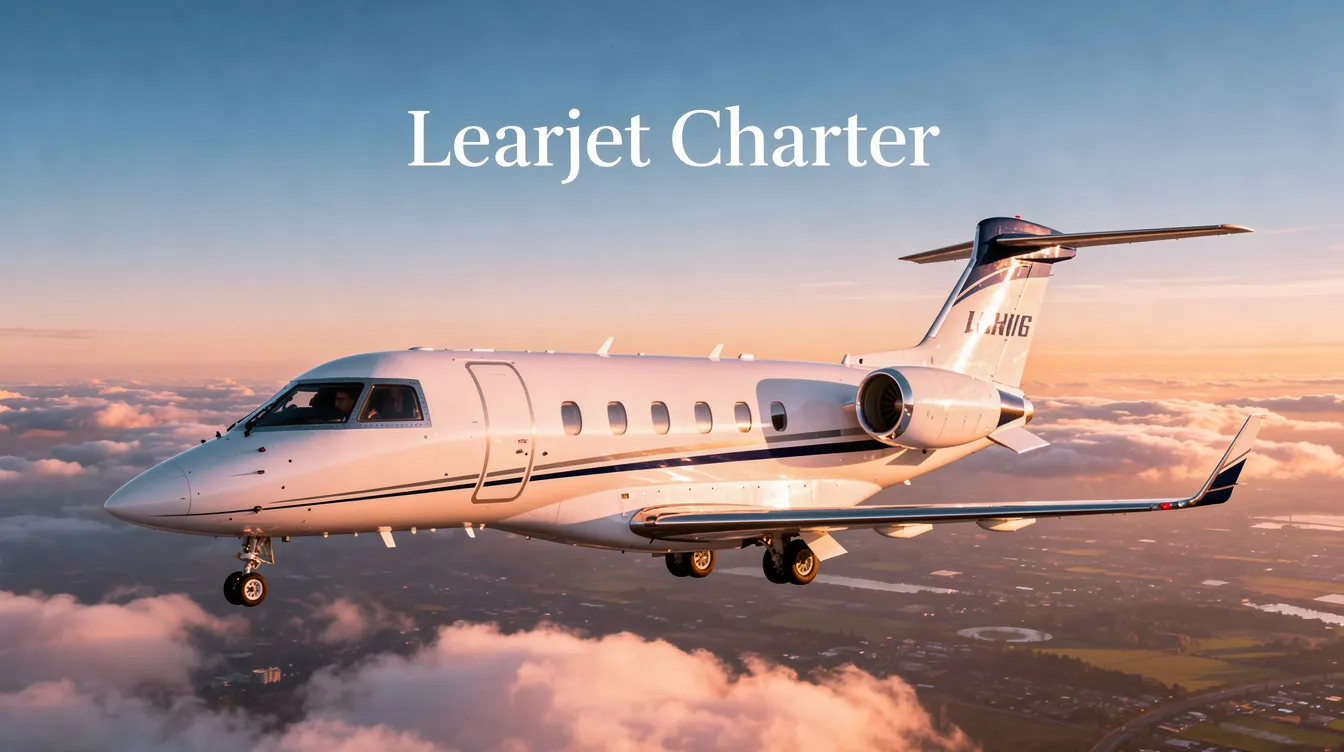
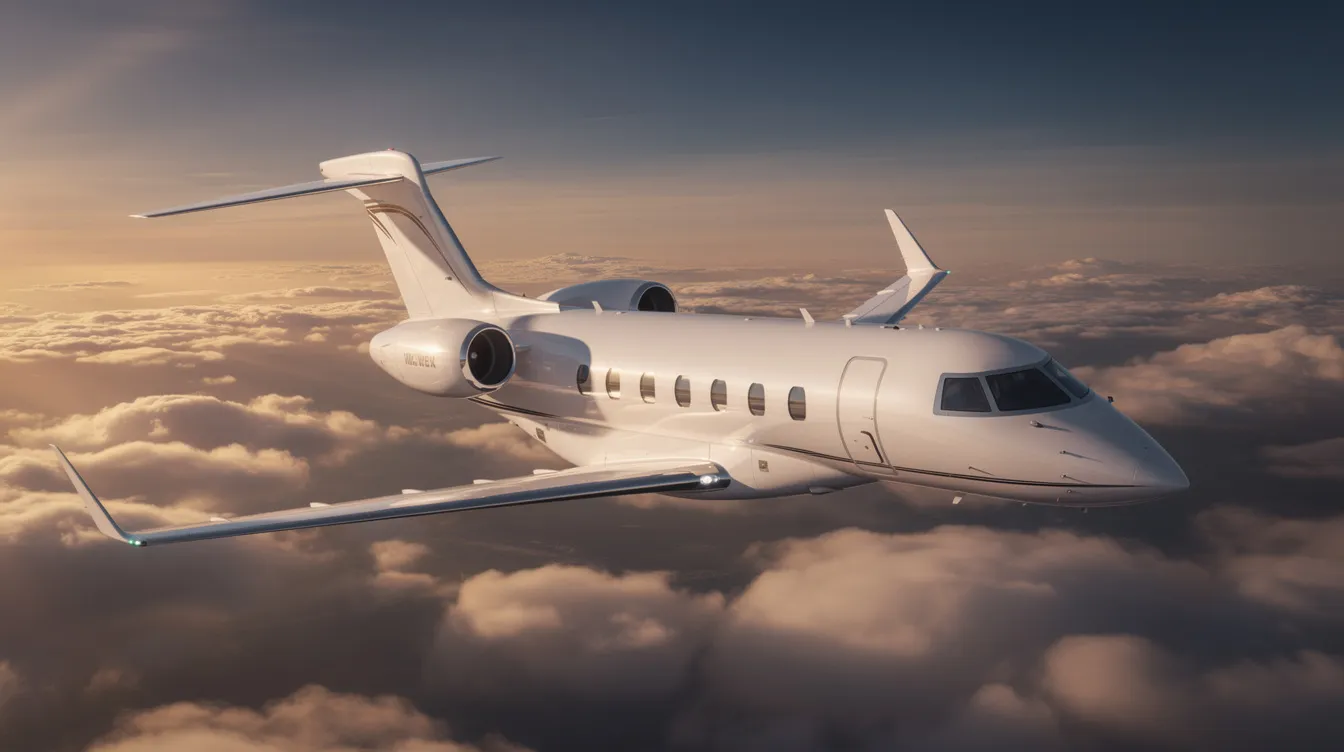
Learjet charter offers a flexible, efficient alternative to ownership for those who value time, privacy, and convenience. This guide is for business travelers, executives, and families considering Learjet charter options. It covers models, pricing, membership benefits, and the booking process to help you make informed decisions about private jet travel.
Learjet charter is rarely just about the aircraft. For frequent private flyers, the real value is time control, predictable cost, and access to the right private aircraft without owning one. Learjets are classified as light-to-midsize jets, making them a versatile choice for a range of travel needs.
Key Takewayswell-suited
A Learjet charter through FLYT offers private jet charter access without ownership, crew, hangar, depreciation, or maintenance obligations.
Core Learjet models in charter include the Learjet 45 and Learjet 60, typically carrying 5 to 8 passengers, with practical comfort around 4–7, depending on baggage.
Learjets are well suited for 2–5-hour business travel, executive travel, leisure travel, and family getaways across North America, South Florida, the Bahamas, Mexico, and select international routes.
FLYT membership supports fixed hourly rates, fleet interchange, global aircraft access, concierge support, and transparent pricing instead of variable one-off charter shopping. Learn more about how it works and explore memberships.
This guide covers cabin experience, cruise speed, maximum range, baggage space, safety, operating costs, and how to choose the right Learjet.
Why a Learjet Charter is a Strategic Tool for Modern Travelers
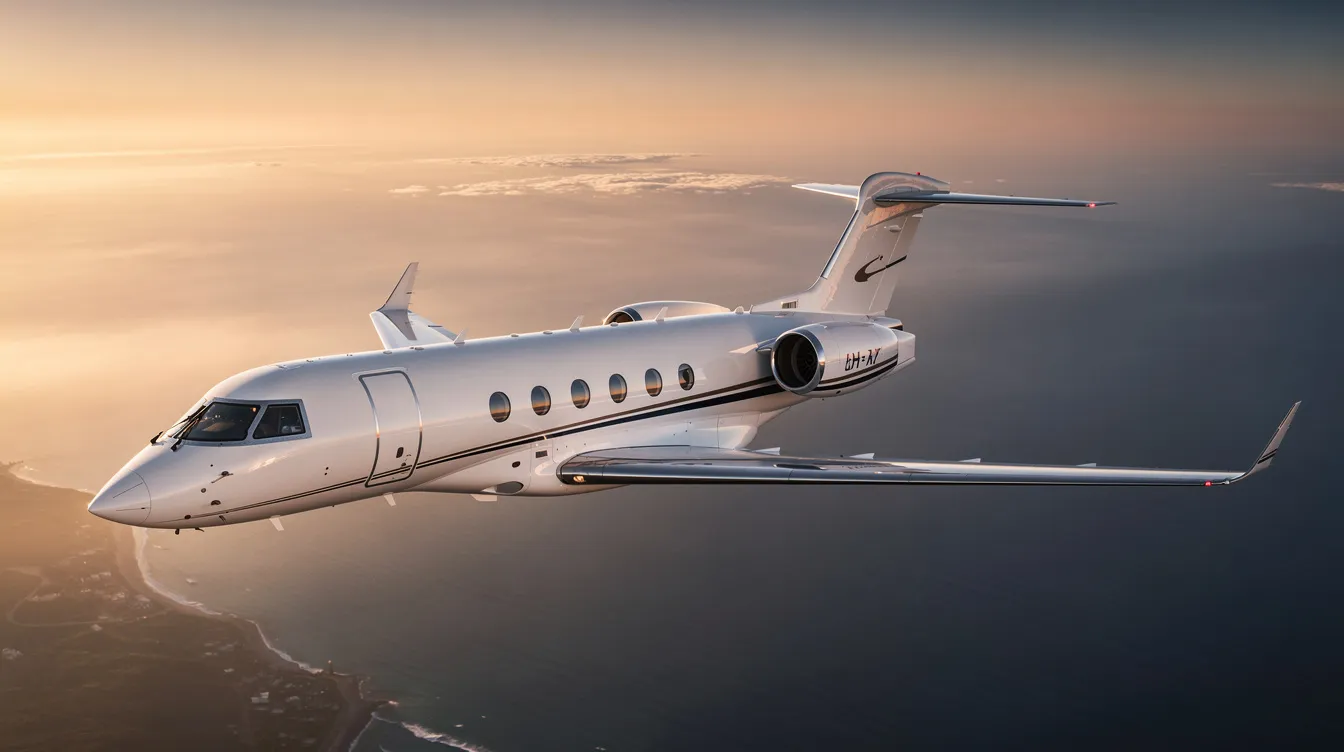
Learjets can save 60–90 minutes by bypassing airport security lines, especially when departing through private terminals near business districts. On routes such as New York–Miami or Dallas–Aspen, that can turn a full commercial travel day into a controlled half-day schedule.
Learjets are classified as light-to-midsize jets. They sit between highly efficient light jets and larger midsize jets, making them practical for roughly 1.5–5-hour missions with four to seven passengers. Chartering a Learjet provides access to thousands of local airports, including direct access to over 7,000 airports.
For business executives, the advantage is operational: privacy, private flights on your timing, smaller regional airports, and enough room to prepare, debrief, or maximize productivity in flight. FLYT adds membership-based access to the Bombardier Learjet family and comparable aircraft, with fixed hourly rates and no sunk capital tied to buying a Learjet.
Learjets are no longer in production, but many aircraft remain active in business aviation because the platform is proven, fast, and supported by established maintenance networks. Discover FLYT’s asset-light floating fleet model and risk pool approach that underpins operational efficiency.
Core Learjet Models Used in Charter (and When to Choose Each)
Most FLYT members encounter the Learjet 45, including 45XR variants, and the Learjet 60, including 60XR variants. Other Learjet models such as 31, 40, 55, 70, and 75 exist; the Learjet 55 can accommodate up to 10 passengers, the Learjet 75 has a cabin volume of 431 cubic feet, and the Learjet 75 is the fastest Learjet, cruising at 496 knots.
The practical question is not only how many passengers fit, but how many can work, rest, and travel with bags comfortably.
Learjet 45: Efficient Light Jet for 2–3-Hour Missions
The Learjet 45, introduced in the mid-1990s and widely used in charter from 2000 onward, usually seats up to eight passengers in a double club layout, though 6–7 is more comfortable for laptop work and longer sectors.
The Learjet 45 has a maximum range of 2,099 miles and cruises at speeds near 450–460 knots depending on conditions. Learjets are designed for high-speed cruising and frequently reach over 500 mph on favorable profiles.
Typical missions include New York–Miami, Chicago–Dallas, Los Angeles–Aspen, Toronto–Nassau, San Francisco–Las Vegas, and shorter runs into South Florida. The Learjet 45 features a galley and a full lavatory. The cabin volume is 375 cubic feet, with about 65 cubic feet of baggage space for 4–5 medium bags and limited golf bags when the passenger count is moderate.
Learjet 45 charter costs typically range from $3,000 to $4,000 per hour. The average hourly rental rate is approximately $4,450, depending on model year, aircraft positioning, and routing. See more on FLYT pricing.
Learjet 60: Midsize Jet for 3–5-Hour, Higher-Comfort Trips
The Learjet 60 is a midsize jet with a stretched cabin and powerful Pratt & Whitney PW305A engines, designed for longer nonstop legs and more cabin comfort than light jets.
Learjet 60 charter costs range from $4,000 to $7,000 per hour. It has a maximum range of about 2,418 to 2,500 nautical miles and cruises at speeds up to 460 knots.
The cabin typically seats 7–8 passengers comfortably, with plush leather seating, a fully enclosed lavatory, and a mini-galley. It is ideal for longer routes such as Los Angeles–Chicago, New York–Denver, Miami–Cartagena, Cabo San Lucas, or leisure trips with bulky gear like skis or strollers.
Learjet Model Comparison
Feature | Learjet 45 | Learjet 60 | Learjet 75 |
|---|
Passenger capacity | Up to eight (comfortably 6–7) | Typically 7–8 | Up to 8 |
Cabin volume | 375 cubic feet | Larger, approx. 600+ cubic feet | 431 cubic feet |
Maximum range | 2,099 miles | 2,418–2,500 nautical miles | 2,120 nautical miles |
Maximum cruise speed | Around 450–460 knots | Up to 460 knots | 496 knots |
Cabin features | Galley, full lavatory | Plush leather seating, mini-galley, enclosed lavatory | Leather seating, touchscreens, Wi-Fi |
Typical mission length | 2–3 hours | 3–5 hours | 2–3.5 hours |
Average charter cost | $3,000–$4,000 per hour | $4,000–$7,000 per hour | Starting around $3,600 per hour |
Cabin Experience: How a Learjet Feels in Real Use
Typical Cabin Features
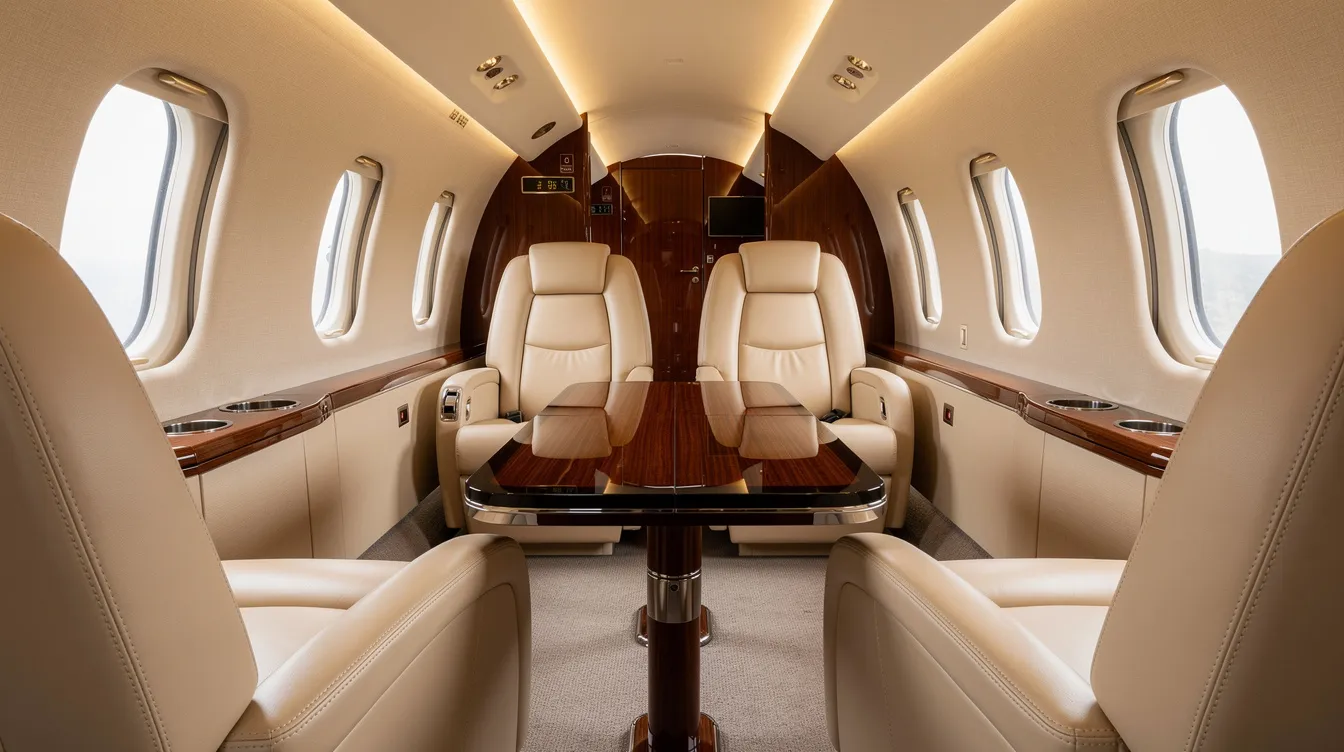
Learjet interiors prioritize business-first functionality: quiet, private, and practical rather than theatrical. Common cabins include leather seating, fold-out work tables, swivel seats, and power outlets.
In-Flight Connectivity
Many Learjet charters provide Wi-Fi connectivity where installed, in-flight entertainment on some aircraft, and custom catering arranged by FLYT. Noise-reducing insulation enhances comfort. While not every aircraft has the same avionics or cabin retrofit, Wi-Fi and entertainment options are often available.
Catering Options
Custom catering can be arranged by FLYT to suit dietary preferences and trip duration, ensuring a tailored in-flight dining experience.
A four-person investment team might review documents in flight from New York to Miami, while a family of five could travel to Aspen with winter gear. The right aircraft match is critical for a tailored flying experience. Learn more about the passenger experience.
Seating, Layout, and How Many Passengers Travel Comfortably
Cabin Dimensions and Comfort
Learjets typically seat 5 to 8 passengers. The Learjet 45 may carry up to eight passengers technically, but 6–7 passengers is more comfortable. Business groups often find 4–6 ideal for work and privacy.
The Learjet 45 cabin measures roughly 19 feet long, 5 feet wide, and just under 5 feet high. The Learjet 60 is shorter in length but wider and taller, offering more cabin volume and easier movement.
Planning for Bulky Items
For bulky items like samples, children's gear, or presentation cases, plan for one seat fewer than the maximum capacity.
Baggage Space and Real-World Packing Scenarios
Baggage Capacity
Baggage space often drives aircraft choice. The Learjet 45 suits a 4-person executive team with rolling cases and briefcases. The Learjet 60 accommodates families of five with skis or travelers with bulky photography equipment.
In-Flight and External Storage
Some baggage is accessible in flight; larger items go in external compartments. FLYT’s concierge gathers detailed packing information to recommend the right Learjet or alternative aircraft. See the FLYT platform for concierge support.
Performance, Range, and How Many Hours a Learjet Can Fly
Learjet ranges vary from 1,400 to 2,500 miles. Light jets like the Learjet 45 and 75 typically fly 2–3.5-hour sectors, while midsize jets like the Learjet 60 operate 3–5 hours nonstop.
Average hourly charter rates for Learjets range from $2,800 to $5,500, varying by model year and routing. Charter rates also fluctuate based on route complexity and peak seasons.
For example, a Learjet 45 may fly New York–Miami in about 2.5–3 hours, while a Learjet 60 may fly Los Angeles–Chicago in about 4 hours. Other routes like Toronto–Houston or Miami–Panama City depend on winds, fuel, passenger count, and runway length.

Light Jets vs Midsize Jets: Choosing the Right Learjet for the Mission
Consider these filters:
Trip length: 2–3 hours suits light jets; 3.5–5 hours favors midsize jets.
Passenger count: 3–5 travelers fit light jets efficiently; 6–8 may justify midsize.
Bags: Golf bags, skis, and equipment often push choice upward.
Cabin feel: Longer meetings require more aisle width and table space.
FLYT’s aircraft interchange lets members select a Learjet 45 for internal meetings, a Learjet 60 for family trips, or other aircraft when fuel efficiency, availability, or cabin needs dictate.
Safety, Avionics, and Operational Oversight on Learjet Charters
Learjet charter flights in the U.S. operate under Federal Aviation Administration (FAA) Part 135, requiring operators to hold a valid FAA Part 135 Air Carrier Certificate. The FAA’s operating rules are detailed in eCFR Part 135.
Modern Learjets include advanced avionics, flight management systems, weather radar, TCAS, EGPWS, and full authority digital engine control (FADEC). These reduce pilot workload and support precise approaches into challenging airports.
Reputable charter providers undergo safety audits from organizations like ARGUS or Wyvern. FLYT reviews operator standards, training, maintenance, and audit records where available.
How FLYT Evaluates Operators and Aircraft (Beyond the Brand Name)
FLYT’s asset-light model uses a vetted partner network rather than owning aircraft. Criteria include operator track record, maintenance history, crew experience, refurbishment quality, and aircraft availability.
Members may request safety documentation before confirming. For example, an investment firm can receive curated aircraft options aligned with internal travel-risk policies. Safety is a baseline, not marketing. Learn more about FLYT’s risk pool and charter volatility protection.
Use Cases: When a Learjet Charter via FLYT Makes the Most Sense
Learjet charters are ideal when speed, privacy, and schedule control matter more than owning a single aircraft. They excel in business travel, family getaways, and disruption management.
Executive Day Trips, Roadshows, and Board Meetings
A founder can fly New York–Boston–Washington, D.C., and return the same evening. In flight, teams use fold-out work tables and power outlets to refine decks or models.
FLYT members can forecast a quarter of roadshow travel with fixed hourly rates rather than repricing every leg. Private jet travel can be tax-deductible for necessary business purposes; members should confirm with tax advisors.
Family Getaways and Extended Weekends
Learjets suit families of 4–6 traveling to Aspen, Jackson Hole, Napa, the Bahamas, or Cabo San Lucas. Flexible departures, pet accommodations where approved, and coordinated ground transportation enhance the experience.
FLYT can move members from Learjet light jets to midsize jets when strollers, skis, or golf bags require more room.
Time-Sensitive and Disruption-Management Travel
For urgent site visits or canceled airline schedules, FLYT’s floating fleet model helps locate nearby aircraft. Same-day or overnight departures are often possible, subject to crew availability, slots, weather, and permits.
FLYT Membership vs One-Off Learjet Charter: Cost and Control
One-off jet charter suits occasional trips, but pricing varies widely by aircraft, season, and repositioning. Membership-based private aviation offers aircraft access without ownership.
Ownership provides complete control over one asset but adds acquisition cost, crew, hangar, maintenance, insurance, depreciation, and idle time. Membership-based services allow access to a global aircraft network while focusing spend on actual flight hours.
How Fixed Hourly Rates Work for Learjet and Light Jet Access
Private jet memberships offer fixed hourly rates for flights. With FLYT, members pay a known category rate per occupied hour plus clearly defined fees, aiding financial forecasting.
Learjets sit alongside Citations, Phenoms, and other aircraft within category-based access. FLYT advises when a Learjet is efficient and when another private jet is better. Compare FLYT vs charter, FLYT vs jet cards, and FLYT vs fractional ownership.
Fleet Interchange: Moving Between Learjets and Other Aircraft as Needs Evolve
Fleet interchange prevents mismatch. Members may use a Learjet 45 for solo regional hops, a Learjet 60 for leisure travel, and a super-midsize aircraft for coast-to-coast or select international routes.
Because FLYT does not own aircraft, it draws from a larger risk pool and vetted network, improving flexibility without locking members into one tail number.
How to Plan and Book a Learjet Charter with FLYT
The workflow is simple and consists of the following steps:
Submit a flight request form: Provide routing, dates, preferred times, passenger count, baggage details, pets, catering, connectivity, and ground transportation requests.
Review aircraft recommendations: FLYT will suggest the best aircraft options based on your needs.
Confirm the itinerary: Approve the selected aircraft and schedule.
Let concierge support manage operational details: Receive FBO details, expected duration, and aircraft guidance before departure.
Visit FLYT Contact Us to start your journey.
Lead Times, Peak Periods, and Optimizing Availability
Several days’ notice is ideal for North America.
Longer lead times help during Art Basel Miami, Sundance, Super Bowl week, holidays, and peak Las Vegas events.
International flights may require permits, customs, and handling.
Chartering a Learjet offers flexibility, but early planning improves availability and routing.
FAQ
How many passengers can a Learjet carry comfortably on charter?
Most charter Learjets seat 6–8 passengers, with some layouts adding a ninth seat. For light jets, FLYT recommends 4–6 passengers for optimal working conditions. For a Learjet 60, 7–8 passengers travel with more comfort.
How many hours can a Learjet fly nonstop, and what happens if a fuel stop is needed?
A Learjet 45 usually flies 2–3.5 hours nonstop under typical conditions. A Learjet 60 can often fly 4.5–5 hours, subject to weather, payload, and reserves.
If a stop is needed, FLYT pre-selects an efficient airport and plans 30–45 minutes on the ground.
Can I work securely on board, and is Wi‑Fi available on all Learjet charters?
Many Learjets offer Wi‑Fi, but not all. FLYT prioritizes Wi‑Fi-equipped aircraft for secure work. The cabin is inherently more private than airline premium cabins, with additional privacy options available.
What documents do I need for international Learjet flights with FLYT?
For international routes to Canada, Mexico, the Caribbean, or others, passengers need valid passports and any required visas or health documents. FLYT’s concierge guides timing, customs, and handling.
Is a FLYT membership better than owning or co-owning a Learjet?
For travelers flying tens to a few hundred hours annually, FLYT membership is often more capital-efficient than ownership, especially compared to buying into a category shaped by the first Learjet’s legacy. It offers predictable pricing, global access, and aircraft flexibility without managing crews, maintenance, or residual value.
Explore a membership model designed around efficiency, transparency, and flexible private aviation access, benefiting from aircraft known for high cruise speed and the fast cruise speeds that keep Learjets appealing for charter.
Conclusion: Why Choose FLYT for Your Learjet Charter Needs
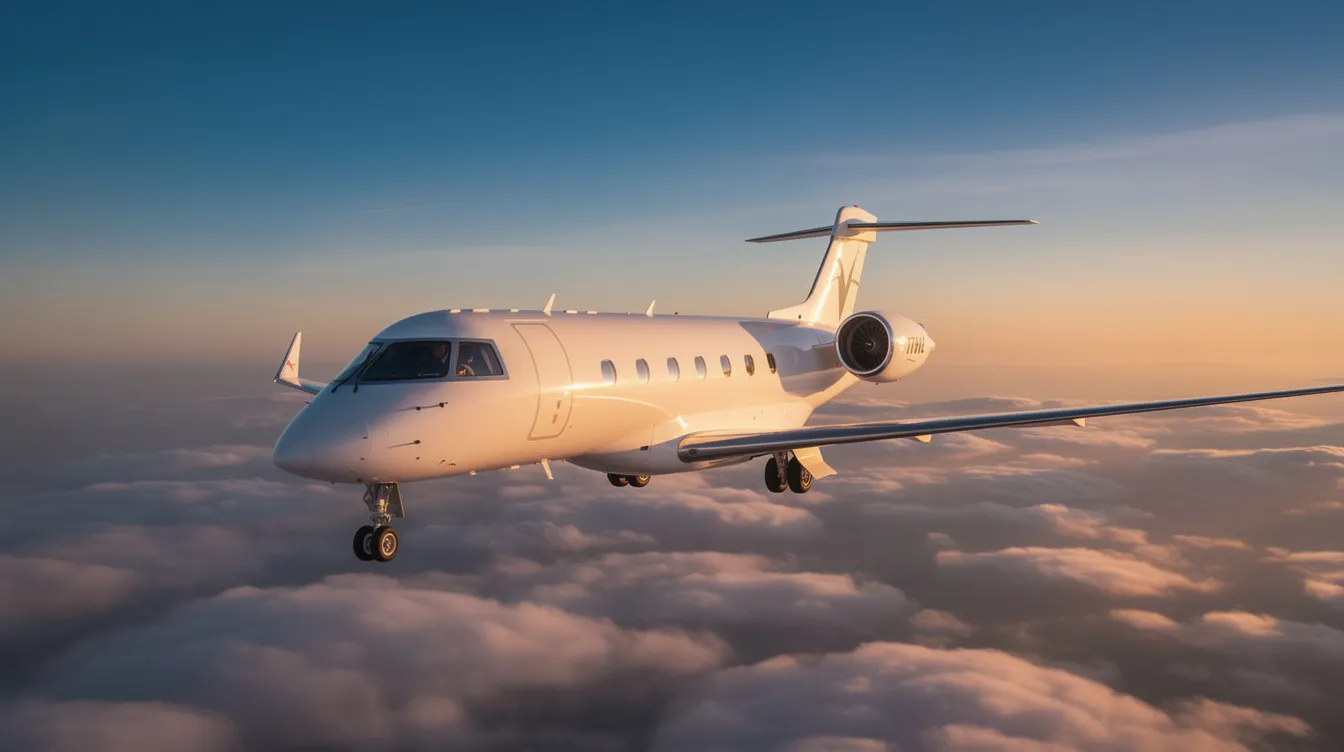
Chartering a Learjet through FLYT offers a strategic, flexible approach to private aviation that prioritizes efficiency, predictability, and operational intelligence. Whether you require a light jet like the Learjet 45 for regional business missions or a midsize Learjet 60 for longer, more comfortable trips, FLYT’s membership model provides access without the burdens of ownership. With fixed hourly rates, fleet interchange, and concierge-level support, FLYT ensures a seamless passenger experience tailored to your specific travel needs.
FLYT’s asset-light floating fleet and risk pool model enhance operational efficiency and global reach, giving members access to a broad network of aircraft and airports. This model supports coast-to-coast flights and international routes with transparency and flexibility, backed by vetted charter operators compliant with Federal Aviation Administration standards.
Explore how FLYT redefines private jet travel by combining premium service with practical, cost-effective solutions. Discover a smarter alternative to ownership and traditional charter options by visiting www.flyt.com and learning more about membership benefits and aircraft access tailored for discerning travelers who value time, predictability, and flexibility.