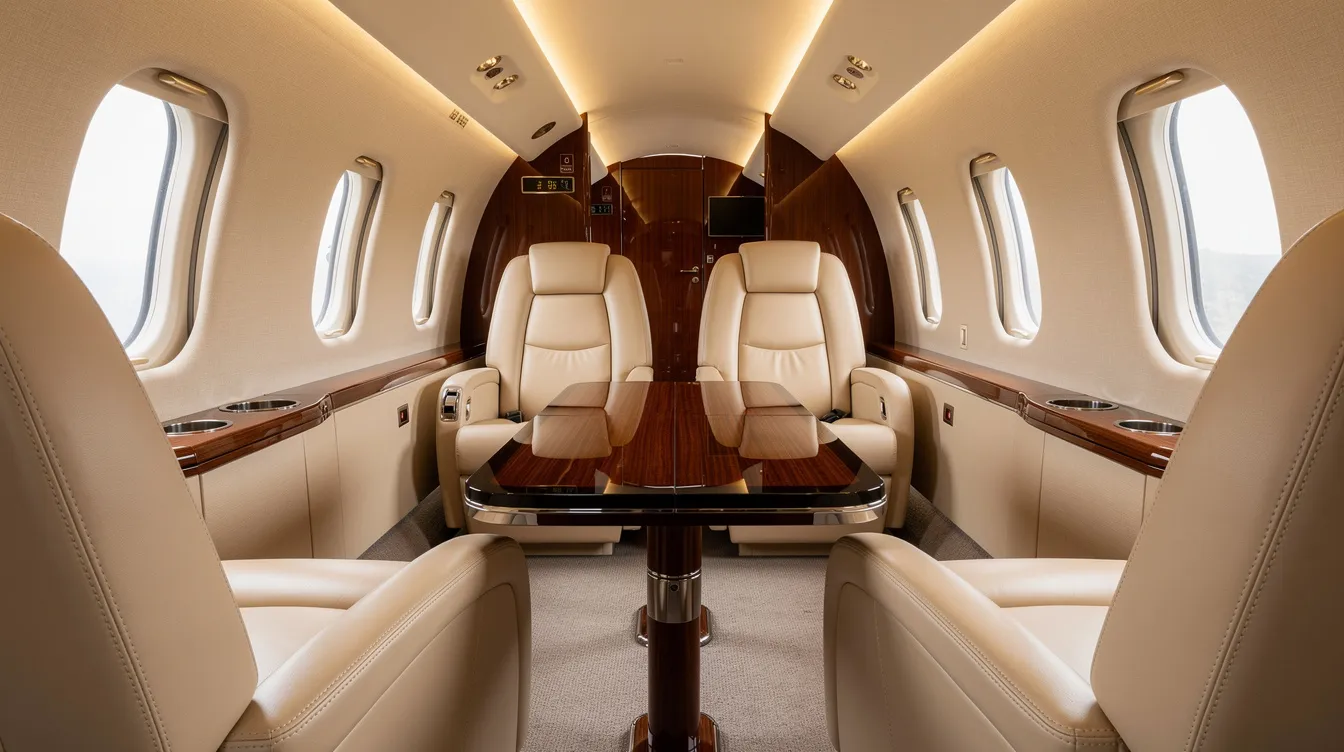
Private aviation expenses fall into three primary categories: acquisition, fixed annual costs, and variable hourly costs. How you distribute those categories across your balance sheet depends entirely on which access model you choose. This guide explores jet ownership in 2026, including costs, ownership models, and smarter alternatives.
This article is designed for executives, business owners, and frequent flyers evaluating private aviation options. Understanding the evolving landscape of jet ownership in 2026 is crucial for making informed, cost-effective decisions. Whether you are considering whole aircraft ownership, fractional jet ownership, jet cards, or membership-based alternatives, knowing the true costs and benefits of each model will help you select the best fit for your travel needs and financial goals.
Key Takeaways
Jet ownership in 2026 means choosing between whole aircraft ownership, fractional jet ownership, jet cards, and membership models like FLYT, each with very different capital and risk profiles. Jet ownership models balance upfront costs against annual flying hours.
Traditional aircraft ownership ties up millions in acquisition cost and ongoing fixed expenses. Ongoing expenses are incurred regardless of aircraft usage hours, which means low utilization dramatically inflates your effective cost per flight hour.
Whole aircraft ownership tends to make financial sense only above roughly 250 flight hours per year. Fractional jet ownership and membership programs serve the 50 to 200+ hour range with more flexibility and lower capital commitment.
FLYT is positioned as an asset-light, membership-based alternative that delivers many benefits of private aviation, including global access, flexible aircraft type selection through aircraft interchange, concierge support via its platform, and fixed hourly rates, without owning an aircraft or fractional share.
The rest of this article walks through how each model works, real-world cost ranges, and a simple framework to decide what fits your actual flight profile.
What Jet Ownership Really Means Today
Since 2020, private aviation has shifted meaningfully toward access over ownership. Interest in fractional ownership programs rose roughly 67% year-over-year in 2025, reflecting a broader trend: executives want private air travel without the operational weight of managing a flight department. Private jets require complex logistical arrangements and management, and many frequent flyers are deciding that complexity isn't worth the control it provides.
Fractional and full ownership are the two primary ways to own a private jet, but they're no longer the only serious options. Fractional ownership allows sharing the costs of a private jet among multiple owners, while full ownership means acquiring the entire aircraft. Here is how the main models break down across three variables:
Capital commitment: Whole ownership requires the largest initial investment; fractional shares require less; jet cards and memberships like FLYT require minimal or no acquisition cost.
Predictability of access: Fractional ownership programs guarantee a specific number of flight hours. Jet cards offer contracted availability windows. Charter provides no guarantee during peak travel periods.
Flexibility: Charter and membership models allow aircraft type changes trip by trip. Fractional programs and whole ownership lock you into a single aircraft or category.
Whole Aircraft Ownership
Acquisition and Fixed Costs
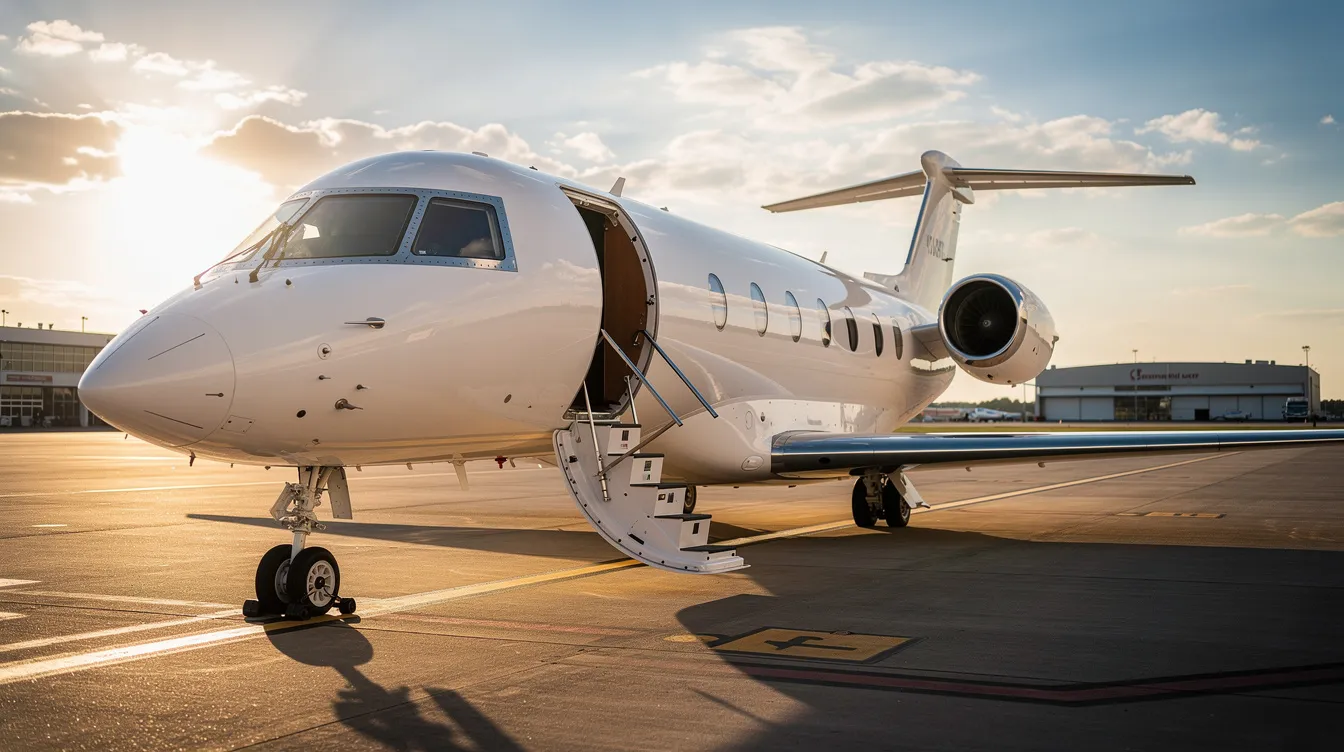
Full aircraft ownership means acquiring the entire aircraft and assuming all operational responsibility, typically delegating day-to-day operations to a management company. Full ownership provides ultimate control over the aircraft and travel. It also means owning a private jet is like running an independent business.
Acquisition costs in 2026 vary depending on aircraft type. Light jets like an Embraer Phenom 300E run roughly $10 to $12 million new. A midsize private jet, such as a Cessna Citation Latitude, is around $19 to $21 million. Large cabin aircraft like a Gulfstream G600 can reach $65 to $70 million or more. Owning a private jet involves significant upfront capital investment and ongoing operating costs that begin the moment you take delivery.
Typical annual fixed costs before any flight time include crew salaries and pilot training, hangar space, insurance, and scheduled ongoing maintenance. These typically range from $700,000 to $1.5 million or more, depending on aircraft size and location. Private jet insurance premiums can vary significantly based on aircraft age and use; see more on premium considerations. Pilot salaries alone for a two-pilot crew on a midsize or larger jet often run $400,000 to $600,000 per year.
Variable Costs
Variable costs per flight hour, including fuel, maintenance reserves, and landing fees, vary depending on aircraft type. Light jets cost roughly $3,000 to $7,000 per hour; super-midsize and large cabin jets run $8,000 to $14,000 or more.
Ideal User Profile
Whole ownership tends to be financially rational only when an individual or company flies roughly 250 to 300+ flight hours per year and values complete control and branding. A management company can offset some costs by chartering the private aircraft when idle, potentially covering 20 to 40% of fixed costs, but this introduces wear, scheduling constraints, and market risk.
Key Pros of Whole Aircraft Ownership
Maximum control over aircraft, schedule, and branding
Consistent access and ability to customize aircraft
Potential to offset costs through chartering when not in use
Key Cons of Whole Aircraft Ownership
Heavy capital lock-up
Jets are highly depreciating assets that lose value quickly
High operational costs even in low-usage months
Administrative costs of running what amounts to a small aviation business
Fractional Jet Ownership
Cost Components
Private jet fractional ownership means purchasing a fractional share of a specific aircraft, typically ranging from 1/16 to 1/2, with contractually guaranteed flight hours per year. A 1/16 share corresponds to approximately 50 flight hours annually, while a 1/8 share provides about 100 hours. Contracts for fractional ownership typically last 3 to 7 years. Fractional jet usage has grown over 60% since 2019, reflecting demand from multiple individuals and organizations that want private flight access without shouldering the full cost of an aircraft.
The main fractional jet ownership cost components include:
Acquisition cost for the fractional share: A 1/16 share costs between $300,000 and $1 million for light-to-midsize jets, with larger cabin shares reaching $1.5 million or more. Fractional ownership typically requires a minimum investment of $100,000. Initial investments can range from $100,000 to over $1 million depending on aircraft and share size.
Monthly management fees: Regardless of whether you fly, these cover crew, insurance, hangar, and maintenance reserves. For midsize programs, expect $10,000 to $25,000 per month. Annual operating costs can reach around $110,000 after the first year, even at modest share sizes.
Occupied hourly rate: Covering fuel, variable maintenance, and handling. Typically $3,500 to $7,500 per hour for midsize fractional programs, with fuel surcharges adding further cost.
For a 1/16 share in a midsize jet with 50 flight hours, total first-year spend in 2026 often falls between $750,000 and $1.1 million when acquisition, monthly fees, and hourly charges are combined. Owners share ongoing expenses like maintenance and fuel costs, and fractional ownership allows sharing costs of a private jet among multiple owners, but depreciation on the share, financing costs, and peak-day surcharges remain material. Fractional ownership allows access to a wider range of airports than commercial airlines, and owners can customize flight schedules to fit their needs.

Key Pros of Fractional Ownership
Lower acquisition cost than full aircraft ownership
Professional management by a dedicated management company
Guaranteed flight hours per year and guaranteed access to a standardized cabin experience
Fractional ownership offers guaranteed flight hours annually, unlike an ad hoc charter
Fractional owners can interchange hours for different aircraft types in some programs
Fractional ownership eliminates one-way flight fees common in chartering
Fractional ownership allows access to multiple aircraft types within a provider's diverse fleet
Fractional owners benefit from shared expenses and consistent personalized service
Key Cons of Fractional Ownership
Substantial upfront costs for the share, with capital tied to a depreciating asset
Ongoing monthly management fees regardless of usage
Limited flexibility to switch aircraft type mid-contract
Contractual commitments with penalties for early exit
Shared ownership means shared scheduling with other owners
Unused hours may not carry forward, depending on the fractional program
Typical User Profile
Fractional private jet ownership is commonly considered for roughly 50 to 200 flight hours per year by users who want guaranteed access but do not need their own aircraft.
Fractional Jet Ownership vs Jet Cards and Charter Flights hours of commitment
Jet cards allow pre-purchased blocks of flight time at a fixed or capped hourly rate, typically tied to an aircraft category rather than a specific tail number. Jet card programs usually require 25 to 100-hour commitments with 12 to 24-month validity. Jet cards often cost more per hour than fractional ownership, but jet cards provide more flexibility than fractional ownership options and require no acquisition cost. See how FLYT compares to jet cards.
On-demand charter flight means booking each trip individually. Pricing is driven by market availability, repositioning fees, and fuel surcharges. Charter rates in 2026 run roughly $3,000 to $5,500 per hour for light jets and $8,000 to $13,000 or more for large cabin aircraft. Fuel is the largest variable expense for private jets, and charter pricing reflects that directly. Discover FLYT vs charter advantages.
Comparison Points
Cost predictability: Fractional jet ownership and jet cards offer contracted rates; charter pricing can fluctuate significantly between routes and seasons.
Commitment: Jet cards and charter require less long-term capital lock-up than a fractional share, but may offer less guarantee during peak travel periods and less control over aircraft age.
Availability: Fractional ownership offers guaranteed flight hours unlike chartering, which depends on market supply.
Deciding factor: Deciding between fractional ownership and chartering depends on flight frequency requirements. Travelers flying under roughly 50 to 75 flight hours per year and seeking a cost-effective option may be better served by premium charter or jet cards rather than a fractional ownership program.
Key Cost Drivers in Any Aircraft Ownership Decision
Regardless of the model, the same recurring cost drivers are the key factors in any aircraft ownership decision. The economic benefits of ownership can be obtained without the operational headaches of full ownership if you choose the right structure.
Major Cost Drivers
Acquisition cost:
Determined by aircraft type, age, configuration, and how much of the aircraft you purchase.
Whole vs fractional share vs no acquisition under membership programs like FLYT.
Fixed costs:
Monthly management fees, crew salaries, insurance, hangar space, and regulatory compliance.
Ongoing expenses are incurred regardless of aircraft usage hours.
Variable costs:
Fuel, maintenance reserves, landing and handling fees, de-icing, catering.
These translate into the occupied hourly rate under different models.
Softer costs:
Time spent managing operations, dealing with maintenance downtime, depreciation deductions, tax advantages or tax benefits that vary depending on structure, and the complexity of forecasting total annual spending when the number of hours fluctuates year to year.
Before signing any contract, request: total acquisition cost, monthly fixed fees, occupied hourly rate including all surcharges, sample annual cost at your projected flight time, exit terms, and residual value assumptions.
How Many Flight Hours Per Year Justify Ownership, Fractional, or Membership?
Right-sizing access starts with realistic annual flight hours, not aspirational usage. Use historical travel data from the past 12 to 24 months.
Usage Bands for Private Aviation Models
Annual Flight Hours | Recommended Model(s) | Notes |
|---|
Under ~25 hours | Ad hoc charter | Fixed costs in any ownership program make per-hour costs prohibitive. |
25 to 75 hours | Jet cards, premium charter, or membership models | Frequent flyers who want predictability but not enough hours to justify capital commitment benefit most from access models like FLYT. |
75 to 200 hours | Fractional jet ownership or sophisticated membership models | Delivers a significant advantage in cost per hour and guaranteed access. |
250+ hours | Whole aircraft ownership | May start to make sense for those who want complete control and can spread fixed costs across enough flight time. |
Thresholds differ by aircraft type and route pattern. Shorter domestic segments on light jets carry different economics than frequent transcontinental missions on a large cabin aircraft. Seasonality, peak holiday periods, and short-notice trips also affect which model delivers the best supplemental lift.
Using Flight Profiles, Not Just Hours, to Choose a Model
Consider average passenger count, typical stage length, and whether itineraries are point-to-point or hub-focused. These factors determine the right aircraft type and cabin classes more than raw hours.
A CEO flying 2 to 3 passengers between New York and Miami points toward a light or midsize jet. A leadership team of 8 to 10 doing West Coast to Midwest hops needs super-midsize or large cabin access.
Inventory your last 10 to 20 private trips: routes, passengers, luggage, timing. Map them to aircraft categories rather than brands.
This exercise helps any consultant or chief of staff translate real travel patterns into a clear brief, avoiding over-specified aircraft type commitments.
Why Many Executives Now Prefer Access Over Ownership
Between 2022 and 2026, a clear shift has emerged among founders, family offices, and corporate flight departments: fewer are tying up capital in a single aircraft or fractional share. The reasoning is financial, not philosophical.
Locking several million dollars into a depreciating private aircraft compares unfavorably with keeping that capital in core businesses or diversified investments. Jets are highly depreciating assets that lose value quickly, and the opportunity cost of that capital compounds over a typical 5 to 7-year hold period.
Operational simplicity matters too. A single point of contact replaces the need to manage pilot training, ongoing maintenance schedules, insurance renewals, and hangar logistics. There is no concern over aircraft downtime or resale markets.
Risk diversification is another key factor. Instead of owning one aircraft type in one geography, executives can tap into larger floating fleets with fleet interchange across multiple cabin classes based on each mission. Fixed hourly rates and transparent fees under modern membership structures contrast with the variability of charter pricing and the opaque fee structures historically common in private aviation. Learn more about FLYT's risk pool model and charter volatility protection.
Where Fractional Programs Still Add Value
Fractional jet ownership remains attractive for organizations that value guaranteed access to a specific aircraft type, a consistent cabin product, and a defined block of guaranteed flight hours each year. Typical user profiles include regional CEOs commuting weekly between fixed city pairs, professional services firms with predictable client travel, or families with recurring seasonal routes.
Large fractional programs often provide robust infrastructure: dedicated owner services, standardized safety oversight, and fleet backup during maintenance. Some buyers value that consistency over maximum flexibility, and for those profiles, a fractional program continues to deliver.
FLYT: A Membership-Based Alternative to Aircraft Ownership and Fractional Shares
FLYT is a membership-based private aviation service designed for frequent flyers who want the benefits of private travel, including time savings, privacy, and schedule control, without the capital commitment and complexity of private jet ownership or fractional shares.
Our model is asset-light and built around a floating fleet. Members do not own aircraft or a fractional share. Instead, they access carefully vetted operators and aircraft through a central platform, gaining aircraft access without the burden of managing a flight department.
Fixed hourly rates are central to our approach. Members know their pricing by aircraft category in advance, which makes budgeting straightforward compared to fluctuating charter quotes or uncertain all-in fractional jet ownership cost structures. Aircraft fleet interchange means members can choose different aircraft types trip by trip, selecting a light jet for short-notice regional travel or a super-midsize for longer missions, rather than being locked into a single aircraft for the life of a contract.
Our global access supports both domestic U.S. routes and international itineraries, making the model viable for executives with transatlantic or multi-region travel needs. Members receive concierge-level support, including itinerary planning, last-mile coordination, and personalized service for on-trip changes, handled by an expert team rather than through multiple vendors. Explore more about how FLYT works and the membership options.

How FLYT Compares to Fractional Jet Ownership and Jet Cards
No acquisition cost: FLYT membership requires no aircraft purchase or fractional share, removing exposure to depreciation and large upfront capital outlays.
Flexible commitment: FLYT offers more adaptable term structures than typical 3 to 7-year fractional contracts, making it easier to adjust as business or family needs evolve.
Transparent pricing: Fixed hourly rates and clear fee structures vs. layered fractional costs (acquisition, management, hourly, repositioning fees, fuel surcharges) and variable charter quotes. See full pricing details.
Aircraft flexibility: Members select from a diverse fleet of aircraft categories for different missions without selling or reconfiguring a fractional share.
Ideal usage band: FLYT is particularly well-suited for travelers in the roughly 50 to 200+ annual flight hour range who want predictable pricing and global access but prefer not to own an aircraft or commit capital to a fractional program. It is a cost-effective option for those who value flexibility and transparency.
Learn more about FLYT's advantages and how it compares to other private aviation options like brokers and jet cards.
Building a Decision Framework for Your Jet Strategy
Approach private aviation as a portfolio decision. Match models to routes, budgets, and risk appetite rather than defaulting to aircraft ownership because it signals success.
Three-Step Decision Framework
Clarify objectives: Time saved, client access, family flexibility, brand requirements.
Analyze real travel data: Routes, passengers, annual flight hours over the last 12 to 24 months, seasonal peaks.
Compare total cost and obligations: Request full cost breakdowns from ownership, fractional, jet card, and membership providers. Include shared expenses, administrative costs, and exit terms.
Involve both financial leadership and primary travelers to align on what matters most: capital preservation, control, or maximum flexibility. Consider testing before committing. Using a membership model like FLYT or a structured charter solution for 6 to 12 months validates assumptions about your actual number of hours and typical itineraries before locking into fractional or whole ownership.
FAQ: Jet Ownership, Fractional Models, and Membership-Based Access
Is fractional jet ownership actually cheaper than chartering over time?
Fractional ownership can deliver a lower per-hour cost if you consistently fly at least 50 to 100 flight hours per year on similar routes. However, once all costs are included, including acquisition, monthly management fees, interest, and depreciation, charter or membership models may remain more efficient for many users, particularly those whose travel patterns are less predictable. See more in the FLYT FAQ.
How quickly can I change my private aviation model if my travel needs shift?
Whole aircraft and fractional jet ownership usually involve multi-year commitments and may require reselling an aircraft or fractional share. Jet cards and memberships like FLYT are typically easier to scale up, down, or exit as business cycles or family needs change, without the friction of finding a buyer for an asset.
What happens if my actual flight hours per year are lower than expected?
Under whole and fractional ownership, lower usage increases effective cost per hour because fixed and sunk costs remain. Access models with pay-as-you-fly hourly pricing, including FLYT, make it simpler to adjust spend to actual demand without worrying about underutilized ownership or unused hours going to waste.
Can I still get branding and customization without owning an aircraft?
Full exterior livery and bespoke interior design typically require whole aircraft ownership. That said, many executives find that tailored onboard service, consistent cabin standards, and curated catering, available through membership and fractional programs, deliver most of the practical brand and experience benefits without designing their own aircraft from scratch.
How does FLYT handle safety and operator selection if members don't own the aircraft?
FLYT works with vetted operators that meet or exceed industry safety benchmarks and regulatory standards. The platform centralizes due diligence, operational oversight, and ongoing performance monitoring so members benefit from a high safety bar without individually managing operators or flight departments. Contact FLYT for more information.
Conclusion
Jet ownership in 2026 presents a spectrum of options tailored to diverse travel needs and financial priorities. Whole aircraft ownership offers unmatched control but demands significant capital and operational commitment, making it suitable primarily for those flying 250+ hours annually. Fractional jet ownership provides guaranteed flight hours with reduced upfront costs but involves contractual obligations and shared scheduling. Jet cards and on-demand charter offer flexibility with minimal commitment but often at higher per-hour rates and less predictability.
For executives, founders, and frequent private flyers seeking a smarter, more flexible approach, membership-based models like FLYT represent a strategic alternative. FLYT’s asset-light, floating fleet model delivers predictable fixed hourly rates, global access, and concierge-level support without the complexities and capital risk of ownership. Its flexible aircraft interchange and transparent pricing empower members to optimize travel based on mission requirements rather than asset constraints.
Choosing the right private aviation model requires a clear understanding of your actual flight profile, budget, and operational preferences. Exploring membership options like FLYT can unlock operational efficiency and cost predictability while preserving capital and simplifying your travel experience. Discover how modern private aviation can work without ownership complexity by visiting FLYT.