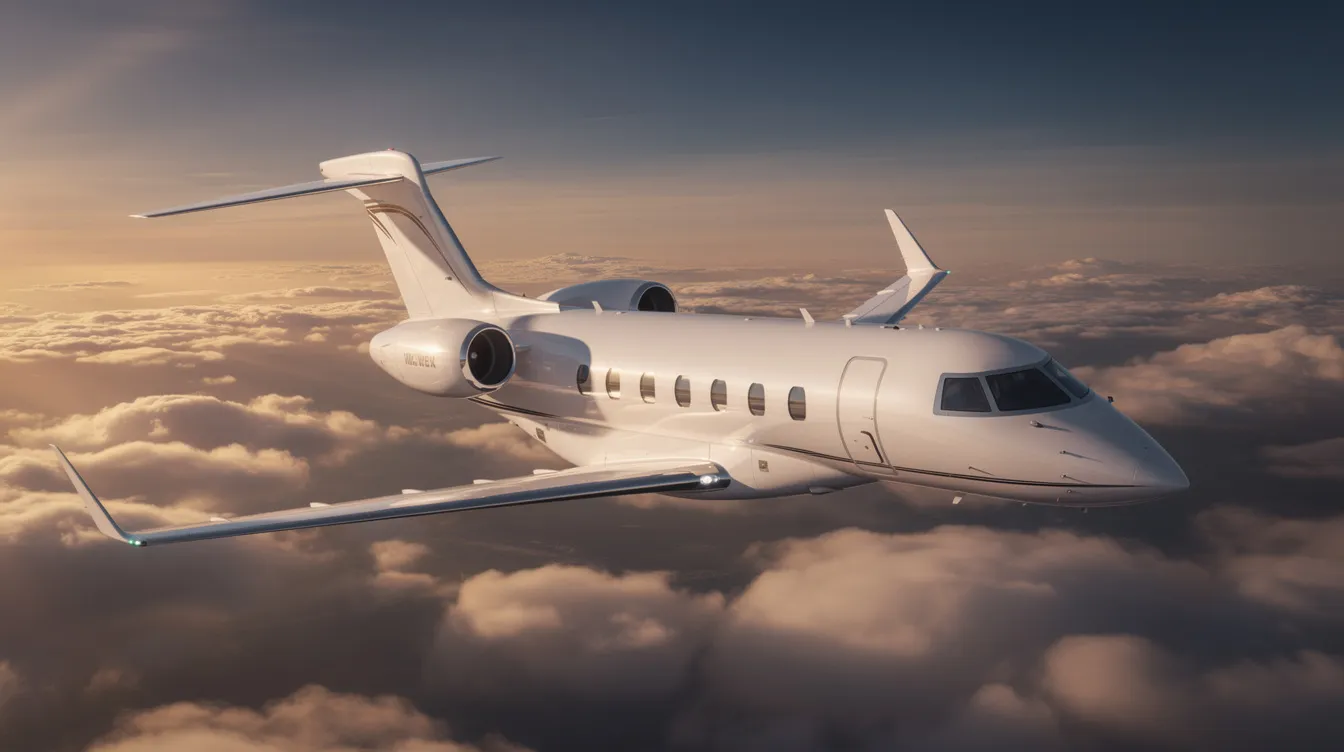
The question of how much it costs to rent a private jet has a frustratingly wide answer. This guide is for business and leisure travelers considering private jet charter in 2026. Quotes vary by aircraft type, route, season, and dozens of smaller variables that most pricing pages gloss over. This guide breaks down real 2026 numbers across every major aircraft category and common route, explains where the hidden costs sit, and helps you decide which access model makes financial sense for the way you actually fly.
Key takeaways
Private jet rental costs range from $2,000 to $14,000 per hour in 2026, depending on whether you're booking a turboprop aircraft for a short regional hop or an ultra-long-range jet for an intercontinental mission. Private jet hire pricing is based on billable flight hours, not per seat or per passenger.
A typical 2–3-hour domestic trip on a light jet in the U.S. often lands in the $12,000–$20,000 all-in range once you factor in the base hourly rate, the 7.5% federal excise tax, segment fees, landing fees, and standard handling charges.
The biggest cost drivers are aircraft category (size and range), total flight time, aircraft availability and positioning, and the layer of taxes and fees that sit on top of the published rate. On peak travel days, ad-hoc charter costs can climb further.
For flyers logging fewer than roughly 150 hours per year, charter and membership models are typically more capital-efficient than fractional or full ownership of a private aircraft. Membership programs with fixed hourly rates, like those offered by FLYT, bring more budget predictability than one-off private jet charter flights.
Pricing is always for the entire aircraft, not per seat. A light jet carrying six passengers divides its cost six ways, but a solo traveller pays the same base figure.
What does it really cost to charter a private jet in 2026?
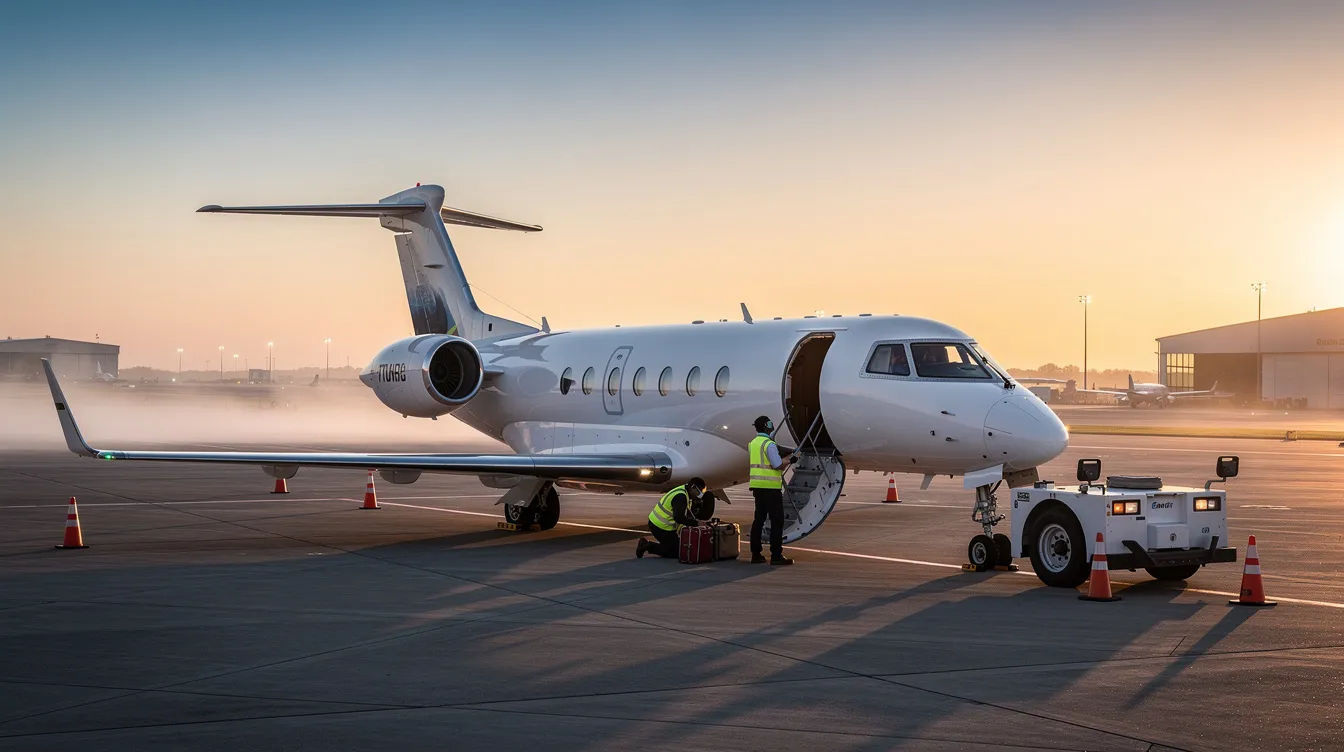
Private jet charter costs in 2026 still revolve around an hourly rate that scales with the size and capability of the aircraft. Below are the broad bands you will encounter when you start requesting quotes.
Turboprop aircraft such as the Pilatus PC-12 or King Air 350i: approximately $2,000 to $2,300 per hour
Very light jets: roughly $2,750 to $3,500 per hour
Light jets like the Phenom 300E or Citation CJ3+: typically $2,900 to $3,500 per hour, though high-demand city pairs can push toward $5,000
Midsize jets: around $4,500 to $6,500 per hour
Super midsize jets: approximately $5,100 to $6,500 per hour for standard configurations, rising to $8,500 or more for premium cabins
Large jets (heavy jets) such as the Gulfstream G450 or Challenger 650: $7,200 to $9,500 per hour
Ultra-long-range jets like the Global 7500 or G650: $10,000 to $14,000 per hour
VIP airliners (converted widebody or large-cabin aircraft): $16,000 to $23,000 per hour for full intercontinental configurations
Charter rates typically range from $2,000 to $15,000 per hour across the categories most travelers actually use. Those published rates, however, usually exclude taxes. U.S. domestic flights incur a 7.5% federal excise tax on the base transportation cost, plus per-passenger segment fees of roughly $4.50 per leg. International flights carry their own handling, overflight, and permit fees.
Because private jet pricing is per aircraft, not per passenger, private jet pricing depends on the aircraft chosen and how many passengers you need to accommodate, so a fully occupied cabin changes the per-person math considerably. A light jet carrying six passengers on a two-hour domestic leg at $4,000 per hour works out to roughly $1,500 per person after taxes, a number that begins to approach last-minute business-class fares on certain routes. Solo travelers, on the other hand, absorb the full cost.
Peak travel times can increase private jet charter costs materially. Around Thanksgiving, the Christmas–New Year corridor, Davos, or marquee sporting events like the Super Bowl and major F1 races, ad-hoc charter rates and daily minimums can spike by 10–25% or more, driven by constrained aircraft availability and surge demand.
Private jet rental: typical hourly rates by aircraft type
Most private charter pricing still begins with an hourly rate for the aircraft category, then layers in fees, taxes, and trip-specific costs based on routing and duration. Understanding these aircraft's hourly rates by category is the first step to estimating what any given trip will cost.
Below is a table comparing hourly rates by aircraft type, with 2026 hourly ranges and a representative model in each class.
Aircraft Type | Example Models | Hourly Rate Range |
|---|
Turboprop | Pilatus PC-12, King Air 350i | $2,000–$2,500 |
Very light and super light jet | HondaJet Elite, Citation M2 | $2,750–$3,500 |
Light jets | Phenom 300E, Citation CJ3+ | $2,900–$5,000 |
Midsize jets | Citation XLS+, Learjet 60, Hawker 800XP | $4,500–$6,500 |
Super midsize jet | Challenger 350, Gulfstream G280, Citation Latitude | $5,100–$8,500 |
Heavy jet | Gulfstream G450, Falcon 900LX, Challenger 650 | $7,200–$10,500 |
Ultra-long-range jets | Global 6500, Gulfstream G600, Falcon 8X | $10,000–$16,000+ |
Turboprop aircraft (e.g., Pilatus PC-12, King Air 350i): $2,000–$2,500 per hour. Best suited for short-haul flights under 500 nautical miles. They are fuel-efficient and able to use shorter runways at regional airports, but are slower than jets with more limited cabin space.
Very light and super light jet (e.g., HondaJet Elite, Citation M2): $2,750–$3,500 per hour. Compact cabins seating four to five, ideal for short regional flights of up to about 1,000 miles.
Light jets (e.g., Phenom 300E, Citation CJ3+): $2,900–$5,000 per hour. A popular choice for domestic flights under three hours. Passenger capacity is typically six to eight, with a stand-up cabin on some models.
Midsize jets (e.g., Citation XLS+, Learjet 60, Hawker 800XP): $4,500–$6,500 per hour. Wider cabins, more baggage capacity, and range to cover most domestic routes non-stop.
Super midsize jet (e.g., Challenger 350, Gulfstream G280, Citation Latitude): $5,100–$8,500 per hour. Capable of non-stop coast-to-coast or transatlantic legs, with a flat floor and full stand-up cabin.
Heavy jet (e.g., Gulfstream G450, Falcon 900LX, Challenger 650): $7,200–$10,500 per hour. Designed for long-haul flights with larger groups. Generous cabin space, in-flight entertainment systems, and range for intercontinental missions.
Ultra-long-range jets (e.g., Global 6500, Gulfstream G600, Falcon 8X): $10,000–$16,000+ per hour. Full flight entertainment suites, sleeping areas, and the ability to connect continents non-stop.
Aircraft size and capability primarily determine private jet charter rates. Larger aircraft generally have higher hourly rates compared to smaller ones, but they also cover more distance per flight hour and avoid costly fuel stops. On a New York to Los Angeles route, for instance, a super midsize jet flying non-stop in roughly five and a half hours may deliver a lower total trip cost than a light jet that needs a fuel stop in Denver, even though its hourly rate is higher.
Chartering smaller jets is often more affordable than larger ones for sub-1,000-mile routes. Selecting the smallest aircraft that meets your passenger capacity and baggage needs can prevent paying for unused capacity. Aircraft type significantly impacts private jet charter pricing, so matching the aircraft to the mission is one of the most effective cost levers available.
Membership models such as FLYT's memberships use fixed hourly rates by category, which can smooth out the volatility seen in on-demand private jet charters. Where ad-hoc rates shift with supply and demand, a fixed rate gives members a clearer baseline for planning.
Route-based examples: what common trips actually cost
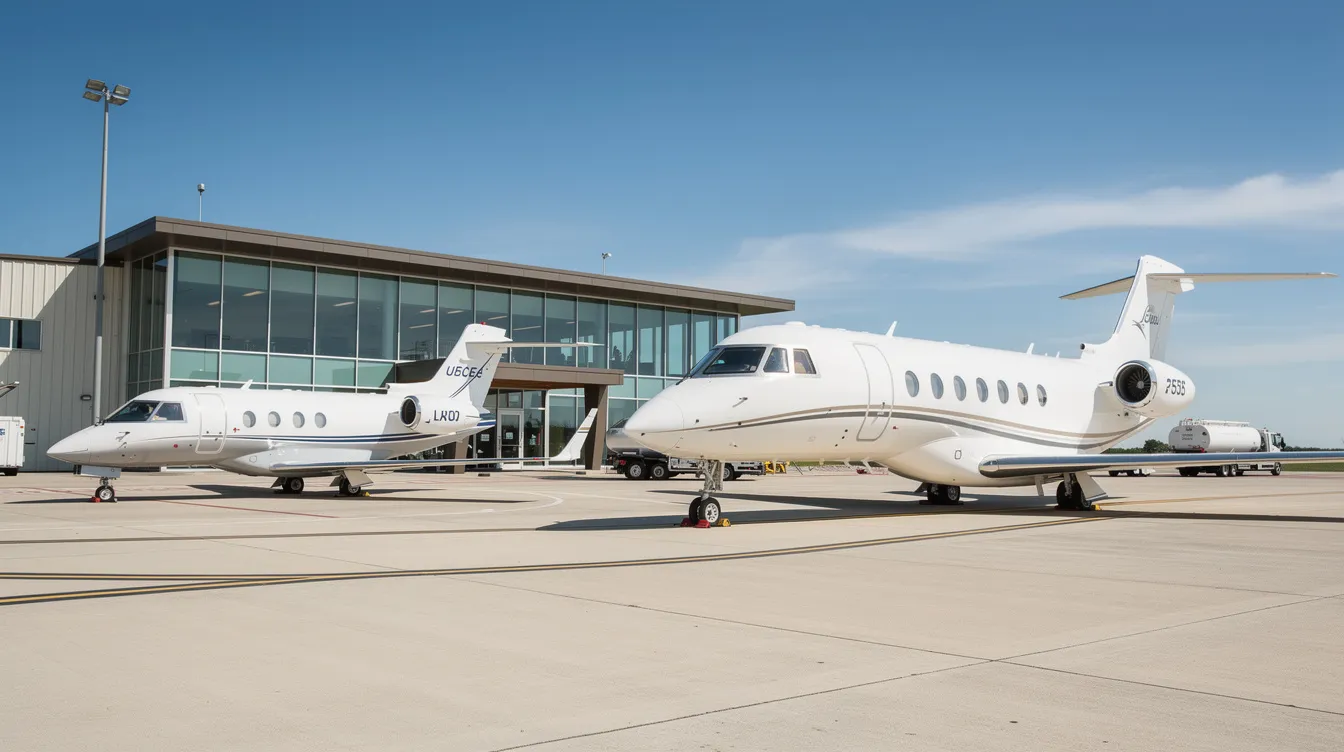
Hourly rates are useful for orientation, but what most people want to know is what a specific trip will cost door to door. Flight distance is a major factor in determining charter costs, alongside aircraft category and applicable taxes. Below are five common 2026 itineraries with estimated all-in pricing, including the base hourly rate, federal excise tax, and standard fees.
New York (Teterboro) to Boston on a light jet. Block time is approximately one hour. At a base rate of $3,500–$5,000 per hour, plus FET and segment fees, expect a total of roughly $8,000–$12,000 one-way. This is a route where private flights save the most time relative to commercial alternatives, given airport proximity and the elimination of shuttle connections.
Los Angeles to Aspen on a light or super light jet. Approximately two hours of flight time. Total cost in the range of $18,000–$24,000 all-in. Aspen's high-altitude runway can add operational constraints and occasionally higher handling fees, particularly in winter.
New York to Miami on a midsize jet. Around a 2.5-hour block time. A midsize jet on this route in 2026 will often be priced in the $22,000–$30,000 range one-way, including taxes and standard fees. This is one of the highest-demand private charter routes in the U.S., and pricing can spike during Art Basel Miami or holiday weekends.
New York to Los Angeles on a super midsize jet, roughly 5.5 hours non-stop. Expect $45,000–$75,000 depending on aircraft, time of year, and whether the jet is already positioned nearby. Midsize jets typically cost between $25,000 and $35,000 for cross-country flights on slightly smaller cabins, while stepping up to a heavy jet pushes the upper bound higher.
London to Dubai on an ultra-long-range jet, with six to seven hours of flight time. Factoring in overflight permits, international fees, handling, and premium fuel costs, this route runs approximately $95,000–$145,000+ on ultra-long-range aircraft. Heavy jets can exceed $80,000 for transatlantic flights, and full intercontinental legs in the largest cabins run well above that.
These examples assume the aircraft is based reasonably close to the departure airport. If aircraft positioning is required, meaning the jet has to fly empty to your departure point, the quoted price can increase by several thousand dollars. Repositioning is one of the most common sources of quote surprise.
For frequent East Coast or transcontinental flyers, a fixed-rate membership can bring more predictable cost per hour across these routes. Rather than negotiating each trip from scratch, FLYT members access published rates that hold steady regardless of short-term demand fluctuations.
Which factors actually drive private jet cost?
The final cost of a private charter is influenced by several variables, but four dominate: aircraft type, flight time and distance, aircraft availability, and the tax and fee layer. Understanding how these interact is the difference between a realistic budget and an unpleasant invoice surprise.
Key factors affecting private jet costs include aircraft size and type, distance, and duration.
Aircraft size and type: Aircraft size refers to the physical dimensions and passenger capacity of the jet, while type refers to the specific category or class (such as turboprop, light jet, midsize jet, super midsize, heavy jet, or ultra long range jet). Larger and more capable aircraft generally have higher hourly rates due to increased fuel consumption, maintenance, and operational requirements. Key factors affecting private jet costs include aircraft size and type, distance, and duration. A turboprop aircraft and an ultra-long-range jet operate in fundamentally different cost brackets. Beyond the hourly rate, larger aircraft burn more fuel, require longer runways, and incur higher landing fees.
Total billable flight hours: This includes not just wheels-up-to-wheels-down time but taxi time at both ends and, in many cases, any positioning legs required to bring the aircraft to your departure airport. Minimum flight time policies (commonly 1.0–2.0 hours per leg) also apply.
Departure and arrival airports: Using secondary airports can lead to lower landing fees and reduced ramp charges. Major hub airports charge more for landing, handling, and ramp time, while smaller fields closer to your origin or destination often provide faster processing with lower costs.
Season and peak demand: Holiday periods, large conferences, and marquee events compress available supply and push pricing upward. Charter brokers report increases of 10–25% during peak windows.
Special onboard requirements: Premium add-ons such as customized catering, ground transportation arrangements, pets, medical equipment, and bespoke cabin setups can increase overall charter costs. These are typically quoted as line items on top of the base rate.
Crew and operational constraints: Extra costs may include crew fees and additional airport charges. Night curfews at certain airports, slot-controlled fields, and crew duty time limits can force overnight stays or the use of alternate airports, both of which add to the bill.
Shorter legs are often disproportionately expensive on a per-mile basis. Fixed costs like landing fees, segment fees, and crew minimums are spread over less flight time, so a 45-minute hop can carry a surprisingly high effective hourly rate.
If the closest suitable aircraft is 1.5 hours away, those positioning hours are commonly chargeable as part of the private charter cost. Fleet density-how many aircraft are available in your region at any given time-directly influences this variable.
Taxes and fees: beyond the hourly rate
Published hourly rates for private jet charters rarely tell the full story. Taxes, fees, and trip-specific surcharges can add 10–25% or more to the final bill, depending on route and season. Asking for a transparent breakdown before committing is essential.
U.S. federal excise tax: 7.5% of the base transportation cost on domestic segments. This applies to the core charter fee and is non-negotiable.
Per-passenger segment fees: Approximately $4.50 per passenger per flight segment in 2026 for flights under U.S. jurisdiction. Modest individually, but they add up on multi-leg itineraries with full cabins.
Landing fees: Charged by the airport authority, these range from around $100 at smaller regional airports to over $1,500 at major hubs, scaling with aircraft weight.
Ramp and handling fees at FBOs vary by location, typically $100–$500 for standard handling. Premium FBOs or larger aircraft can see higher charges.
Hangar fees: Relevant when the aircraft needs to be stored overnight or protected from the weather. Winter operations can also trigger deicing charges, and deicing costs can be high during winter months, sometimes adding several thousand dollars per event.
Crew costs for overnights: On multi-day itineraries, crew overnight expenses (hotel, per diem) are typically passed through to the client. Even when flight hours are low, these can materially increase the total.
Fuel surcharge: Additional fees can include landing charges and fuel surcharges. Fuel represents 20–40% of charter cost on longer missions, and regional fuel price variation feeds directly into quoted rates.
International handling and landing permits: Cross-border flights require overflight permissions, customs and immigration coordination, and foreign handling, all of which carry separate fees.
The most practical step a buyer can take is to request an "all-in" quote that explicitly lists every estimated tax and fee. Many brokers' base rates exclude fuel or are structured to appear competitive on paper, only to layer in 30–50% in additional costs once all surcharges are revealed.
Private jets vs commercial flights: where does it make sense?
Flying privately almost always carries a higher direct cost than flying with commercial airlines on the same route. The question is whether the time savings, schedule control, and productivity gains justify that premium for your specific situation.
Per-seat economics: On busy routes like New York to London, a last-minute business-class fare might run $5,000–$8,000 per person. A fully occupied midsize jet on the same route will cost substantially more per seat. The gap narrows on domestic routes with full cabins and widens on long-haul international flights with fewer passengers. Sharing costs with fellow passengers lowers private jet expenses, but even with a full cabin, private jet travel typically costs more in pure cash terms.
Time and productivity: The ability to depart from smaller airports closer to home or office, skip security lines, and use the cabin as a private workspace changes the calculus for executives whose time carries a high opportunity cost. For business and leisure travel, which involves multi-city days, private jet service eliminates connection delays and compresses itineraries that would otherwise require overnight stays.
Multi-city efficiency: For executives managing meetings in three cities in a single day, stacking legs on a private plane avoids the dead time of commercial connections. The ability to fly private on your own schedule and arrive closer to final destinations, without waiting for rental cars or commercial connections, can justify private jet costs from a business ROI standpoint.
When commercial wins: Commercial flights remain more efficient for solo leisure trips on long-haul routes where schedule flexibility is high, productivity is less critical, and ground transportation at the destination is straightforward.
Chartering a private jet avoids ownership costs like maintenance, insurance, and crew salaries. Chartering also offers flexibility to choose different aircraft for each trip, matching the aircraft to the mission rather than being locked into a single airframe.
Charter vs ownership vs membership: which model fits your flying?
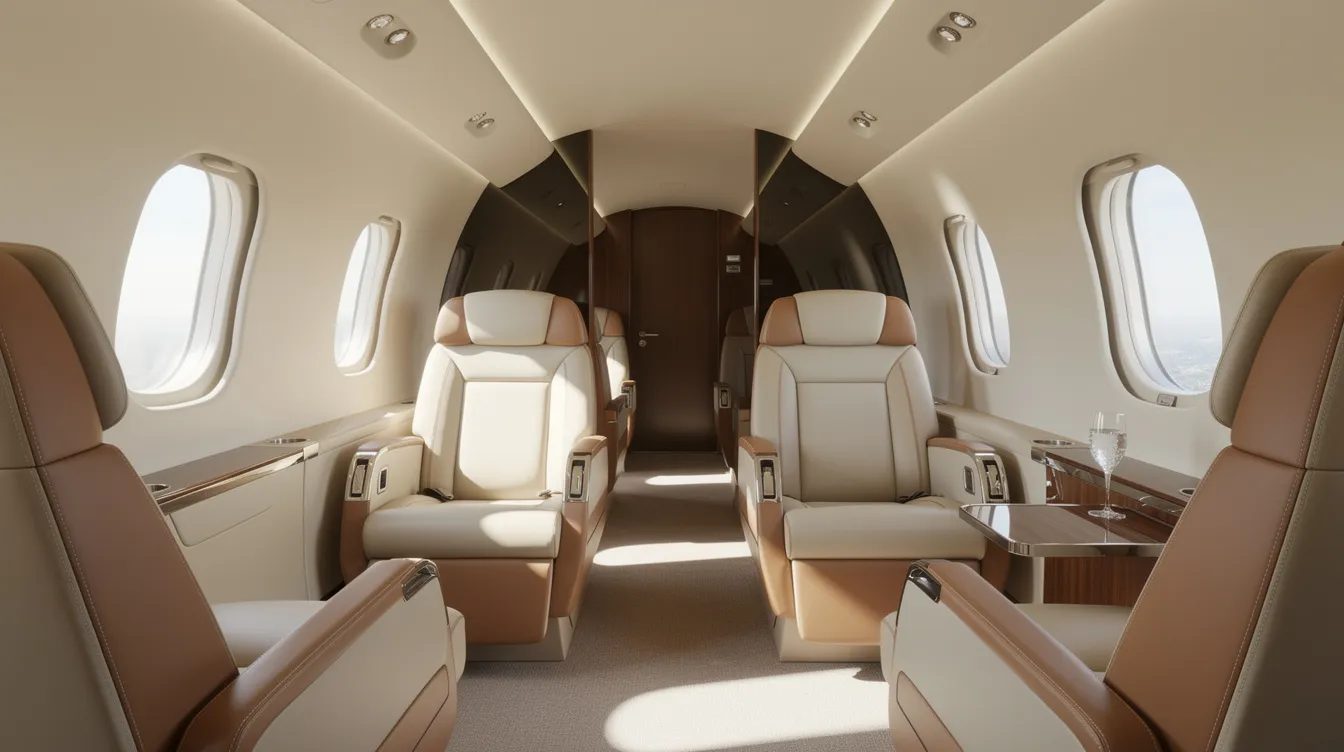
The question of how much a private jet hire is really a question about access strategy. The right model depends on how often you fly, how much capital you want to deploy, and how much operational complexity you're willing to absorb.
On-demand charter: Maximum flexibility with no long-term commitment. You charter a private jet when you need one, pay per trip, and walk away. The trade-off is exposure to dynamic pricing, variable aircraft availability, and the friction of sourcing and vetting operators for each charter flight. This model suits travelers flying fewer than 25–50 hours per year.
Fractional ownership: Purchasing a share (typically 1/16 or 1/8) of a specific aircraft. A 1/16 share in a Phenom 300E, for example, might cost approximately $360,000 upfront with monthly management fees of $8,000–$12,000 and occupied hourly rates on top. This approach requires significant capital, exposes the buyer to depreciation, and typically only makes financial sense above roughly 150–200 flight hours per year.
Full ownership: Maximum control over schedule, configuration, and crew. But private jet ownership costs can exceed $1 million annually when you account for crew salaries, maintenance, insurance, hangar fees, and periodic refurbishments. Owning a private jet requires planning for operational costs like fuel, unexpected maintenance events, and regulatory compliance. It only pencils out at very high utilization.
Membership and jet card models: Pre-funded hours or access at fixed hourly rates, often with guaranteed aircraft category and response times. These programs trade some flexibility for more predictable private jet costs and remove the need to source operators or negotiate rates trip by trip. For someone flying 50–150 hours per year, membership models often deliver better per-hour economics than pure charter while avoiding the capital intensity of ownership.
FLYT's approach: Membership-based access to a floating, asset-light fleet with fixed hourly rates by category, global reach, and concierge support. Designed for frequent travelers who want access and predictability without the operational burden or capital lock-in of ownership. Members can move between aircraft categories-a light jet for a short domestic hop, an ultra-long-range cabin for an international leg-without needing to own or co-own multiple aircraft.
FLYT operates on an asset-light floating fleet model. Rather than tying members to a single tail number, the platform sources from a curated global fleet of certified operators. This risk pool approach balances aircraft availability, safety standards, and cost efficiency. It also means that repositioning and downtime risk are spread across multiple assets rather than concentrated on one airframe that a member has partially or fully financed.
Concierge-level trip support handles the operational details that often create friction and cost overruns in private charter services: routing optimization, slot coordination, ground transportation, catering, landing permits, and last-minute itinerary changes. This layer of support helps keep the total private aviation experience predictable and time-efficient.
FLYT’s AI fleet engine and platform technology further optimize fleet utilization and pricing, reducing charter volatility and improving availability.
For travelers who fly privately several times per year, modeling current ad-hoc charter spend against FLYT's fixed-rate membership can reveal whether a structured access model delivers better cost control and fewer surprises across the year.
How FLYT approaches private jet pricing and access
FLYT's membership model is built around a specific premise: that frequent private flyers should be able to access the aircraft they need at a rate they can plan around, without absorbing the capital, depreciation, and operational friction of ownership.
In practice, this means a fixed hourly rate structure across multiple aircraft categories. Members know what a billable flight hour costs before they book, with clear terms on minimums, peak-day policies, and any applicable surcharges. This is a deliberate contrast to the ad hoc charter market, where the same route can vary by 30% or more depending on the week.
Fleet interchangeability is central to the model. A FLYT member flying a short two-hour domestic leg might use a light jet, while the same member's transatlantic trip the following week could be on an ultra-long-range cabin. There's no need to own or co-own multiple aircraft to access different aircraft types across missions.
For more details on how this model works, see how it works.
How to get an accurate private jet charter quote
Moving from general hourly ranges to a scenario-specific quote for private jet flights requires a bit of preparation. The more precise you are upfront, the less likely you are to encounter cost surprises after the trip.
Here is what to have ready when you request quotes for private jet charter flights:
Origin and destination airports (specific fields, not just cities), preferred dates and times, number of passengers, and baggage profile, including any oversized items.
Special requirements: pets, medical equipment, in-flight entertainment needs, Wi-Fi connectivity, or customized catering. These are priced separately by most operators and should be addressed early.
Aircraft preference: specify whether you need a turboprop, light jet, midsize, or larger aircraft, or whether you are open to the most cost-efficient option that meets your timing and comfort needs. Using a cost estimator helps identify the best charter options before you engage with a charter company directly.
Request two or three routing options: a minimum-cost solution (which might involve a fuel stop or a smaller aircraft) and a time-optimized option (such as an ultra-long-range non-stop leg vs a smaller jet with refueling). This reveals the trade-off between flight time and hourly rate.
Ask for an all-in breakdown: base hourly rate, fuel, crew costs, standard handling, taxes, segment fees, and any foreseeable surcharges. Confirm whether repositioning flights, crew overnights, and potential fuel surcharges are included or billed separately.
Beyond price, compare safety standards, operator certifications (Part 135 or equivalent), maintenance track records, and cancellation or change policies. Transparent pricing and clear contractual terms are hallmarks of providers built for repeat business rather than one-off transactions. The FLYT platform is designed to surface this information upfront, giving members clarity before every trip.

Frequently asked questions
The questions below address practical considerations that come up frequently when evaluating private jet rental prices, access models, and cost-saving strategies. Each answer draws on 2026 data and real-world scenarios.
For a broader list of answers, visit the FLYT FAQ.
Is it ever cheaper to own a private jet than to charter?
Full ownership can become cost-efficient, but only at high utilization levels-often well above 200–300 flight hours per year-and when the owner places significant value on maximum control over schedule, crew, and aircraft configuration. The major fixed costs of ownership include acquisition or lease payments, crew salaries and recurrent training, hangar fees and insurance, scheduled and unscheduled maintenance, and periodic cabin refurbishments. For a large jet, these expenses can run into the millions annually.
By contrast, charter and membership models like FLYT allow travelers to pay only for occupied hours plus transparent fees, making them more capital-efficient for those flying fewer than roughly 150–200 hours per year. Many high-net-worth individuals now prefer asset-light membership models specifically to avoid tying up capital in depreciating aviation assets that sit idle most of the year.
How can I reduce the cost of private jet travel without flying commercial?
Several practical levers exist. First, be flexible on departure times and airports. Shifting to off-peak slots or regional airports can lower landing fees and improve aircraft availability, which reduces or eliminates positioning charges. Booking flights during off-peak times can reduce charter costs noticeably, particularly on high-demand routes.
Second, consider turboprop aircraft or light jets instead of defaulting to midsize or heavy jets, especially for sub-1,000-mile routes where lower operating costs on smaller aircraft translate to meaningful savings. Third, consolidate trips when possible, combining two-day trips into one overnight itinerary, which minimizes positioning and daily minimum charges.
Empty leg flights can save up to 75% on costs when your schedule aligns with an aircraft that needs to reposition. These leg flights require flexibility on timing and routing, but they represent the single largest discount available in the private aviation market.
Finally, sharing costs with fellow passengers lowers private jet expenses per person. If you regularly travel with colleagues or family, filling the cabin turns the per-aircraft cost into a more competitive per-seat figure. Membership models with fixed hourly rates, such as FLYT, also reduce exposure to peak pricing spikes and provide more predictable budgeting across the year.
What is included in a typical private jet charter quote?
An all-in quote generally covers the aircraft, crew, standard fuel, basic catering (often light refreshments), airport landing fees, standard handling, and applicable government taxes such as the federal excise tax on U.S. domestic segments.
Extras that may be billed separately include upgraded or customised catering, premium ground transportation such as rental cars or chauffeured vehicles, deicing, Wi-Fi on aircraft that charge for connectivity, and international permits or overflight fees on cross-border itineraries. Repositioning flights, crew overnights on multi-day trips, and fuel surcharges tied to regional fuel prices may or may not be included, depending on the charter company.
Membership programs like FLYT typically publish clear rules around what the fixed hourly rate covers versus what is billed as an ancillary cost, which removes much of the guesswork from budgeting private charter flights.
How far in advance should I book to get the best value?
Private charters can be arranged within hours in urgent situations, but booking 7–14 days in advance usually improves aircraft availability and pricing. With more lead time, operators can coordinate crew scheduling, minimize positioning legs, and offer a wider selection of aircraft.
For major events-the Super Bowl, Art Basel Miami, global economic conferences-and peak holiday periods, planning several weeks or even months ahead can avoid premium pricing and scarcity. Some high-demand corridors effectively sell out their available fleet on certain dates.
FLYT members typically benefit from structured access terms and fixed hourly rates, which mitigate some of the price impact of late bookings, especially on frequently traveled routes. Truly last-minute rescue flights, however, may carry additional costs due to crew repositioning, minimum rest requirements, and aircraft sourcing complexity.
How is flight time billed on a private jet?
Billable time usually includes wheels-up-to-wheels-down flight time plus taxi time at both ends. In many cases, any positioning legs required to bring the aircraft to the departure airport (and return it to its next base) are also chargeable. This means the actual cost of a trip can include hours the passengers never occupy the cabin.
Most operators and membership programs apply minimum flight times per leg or per day, commonly 1.0 to 2.0 hours, which can affect pricing on very short routes. A 30-minute hop, for instance, may still be billed at the one-hour or two-hour minimum.
Fixed hourly models like FLYT's are designed to make this more transparent, with clearly published rules for minimums, taxi time treatment, and peak-day surcharges. When comparing quotes from different providers, ask each to show a simple breakdown of billed hours versus actual block time. This single request often reveals the true difference in how providers structure their private jet pricing.
Explore how FLYT's membership model can bring predictability and transparency to your private aviation spend.
Conclusion
Understanding how much private jet hire costs in 2026 involves more than just hourly rates. It requires a clear view of aircraft categories, flight distances, taxes, fees, and the operational complexities that influence pricing. For frequent flyers seeking a smarter, more flexible approach, membership models like those offered by FLYT provide predictable fixed hourly rates, global fleet access, and concierge-level support without the burdens of ownership. By choosing an asset-light, floating fleet model, FLYT enables business and leisure travelers to optimize their private aviation experience—balancing efficiency, transparency, and flexibility. Whether you fly occasionally or regularly, exploring modern membership options can help you manage costs while enjoying the premium benefits of private jet travel.
Discover how FLYT’s membership model can offer a more strategic and cost-effective way to fly private without ownership complexity.