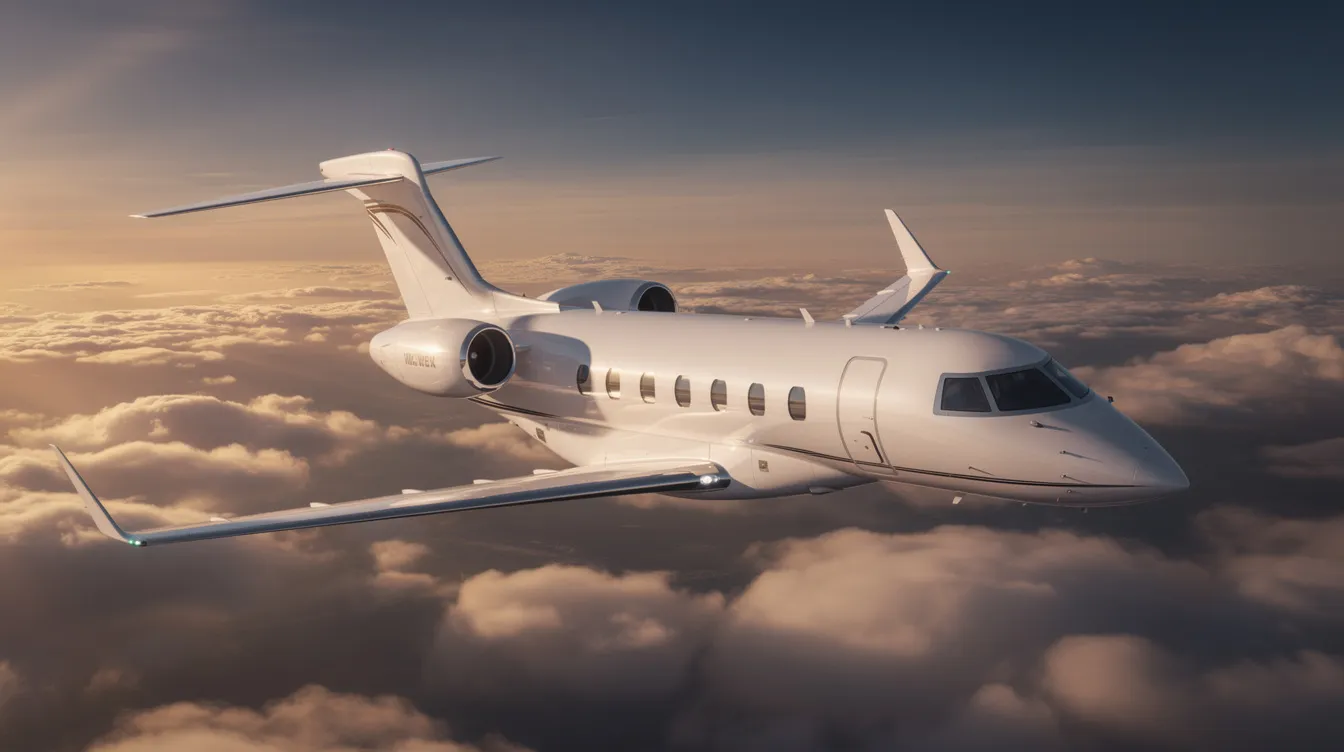
If you are an executive, founder, or frequent traveler searching for a precise answer to how much it costs to charter a small plane, you have likely already noticed that most sources bury the numbers under vague ranges and lifestyle photography. This article takes a different approach.
In 2026, rising commercial flight delays, constrained premium cabins, and growing demand for private charter on regional routes like New York–Boston and Dallas–Houston are pushing more travelers to evaluate flying private as a time and productivity decision.
This guide focuses specifically on small aircraft charter—piston, turboprop, very light jet, and light jet categories—and breaks down actual dollar ranges, cost components, and how models like FLYT membership bring more predictability than ad hoc on-demand private jet charters. It also compares what it costs to charter a private jet with what it costs to own one, and explains why most travelers are better off with private charter or a private jet membership instead of paying an initial purchase price for an aircraft outright.
Key takeaways
Chartering a small plane generally costs between $300 and $4,000+ per flight hour in 2026, depending on aircraft type, distance, and how the charter company bills flight hours and fees.
Piston aircraft run about $300–$600 per hour, turboprops $1,200–$2,000 per hour, very light jets $1,500–$3,000 per hour, and light jets $2,500–$5,000+ per hour before taxes and ancillary charges.
On a typical 2-hour regional private jet flight, travelers might pay roughly $1,200–$4,000 in a piston or turboprop and $6,000–$10,000+ in a light jet once the 7.5% federal excise tax, segment fees, and airport charges are included.
The final cost depends on several variables beyond hourly rate, and charter quotes can also include hidden costs: aircraft positioning fees, daily minimums, landing fees, seasonality, and optional services like in-flight catering or ground transportation.
Membership-based private aviation through FLYT offers fixed hourly rates and fleet interchange with no initial purchase price or ownership burden, converting unpredictable charter quotes into a clear budget line item.
Quick answer: typical costs to charter a small plane by aircraft type
The short answer: chartering a small private plane costs $300 to $600 per flight hour for a piston aircraft, and the range climbs to $1,500–$5,000+ per hour as you move up through turboprops, very light jets, and light jets.
Costs for chartering a small plane vary based on aircraft size and type, and the overall market for private jet rental prices and private jet charter cost ranges from roughly $1,800 to $18,000 per hour when you include midsize jets and heavy jet charter categories.
Here is what each small-plane category looks like in 2026:
Aircraft category | Examples | Hourly cost range (wet) | Typical passengers | Use case |
|---|
Piston | Cessna 172, Piper Cherokee | $300–$600 | 2–4 | Very short hops, low-budget regional charter |
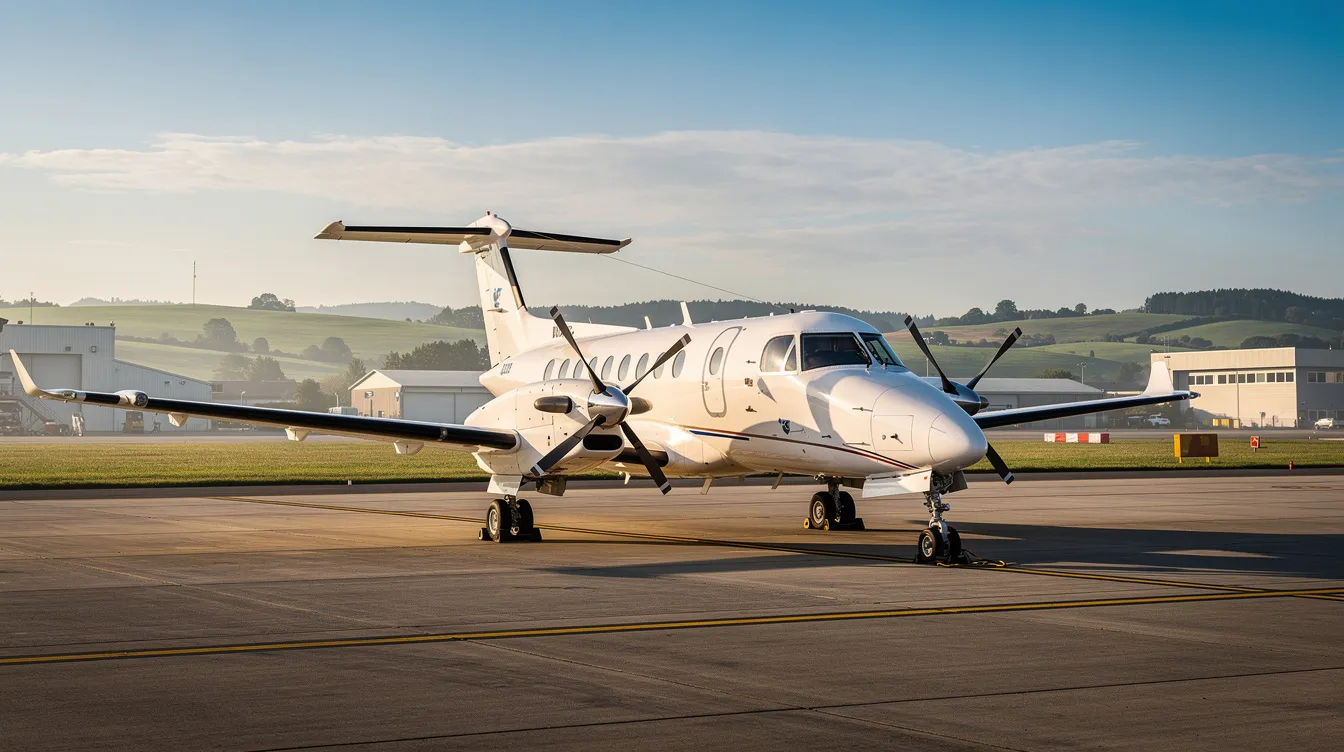
Turboprop | Pilatus PC-12, King Air 200 | $1,200–$2,000 | 4–8 | Short regional flights, ski weekends |
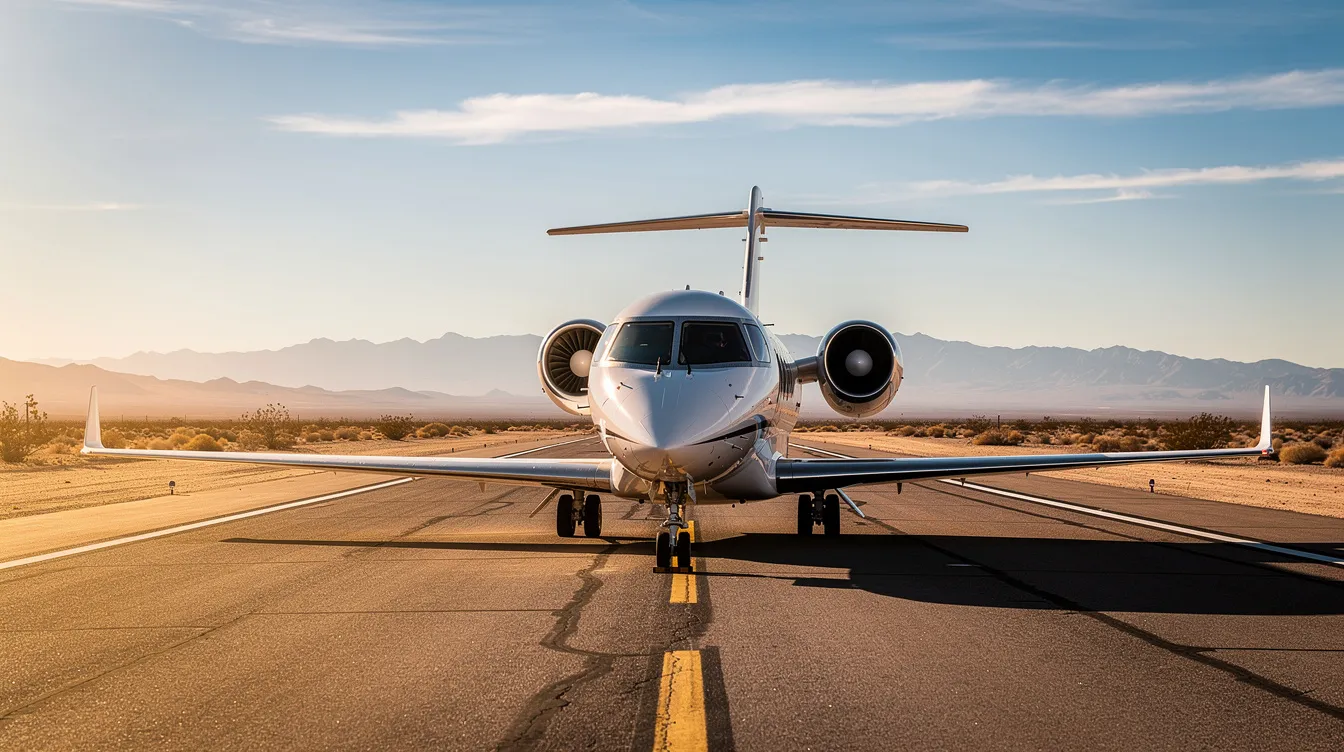
Very light jet | Citation Mustang, Eclipse 500 | $1,500–$3,000 | 3–4 | Jet speed for short trips, small groups |
Light jet | Phenom 300, Citation CJ3 | $2,500–$5,000+ | Up to 8 | Regional to mid-range trips, business travel |
These are wet charter rates—aircraft, crew, and fuel included—but do not yet reflect the 7.5% federal excise tax, per-passenger segment fees, or airport handling costs.
Because you pay for the entire private aircraft, the per-person cost can be competitive with business- or first-class commercial flights for groups of 4–7 on regional routes.
FLYT uses fixed hourly rates within its membership, so these ranges translate to predictable, pre-agreed pricing instead of fluctuating quotes trip by trip. Learn more about how FLYT works and its pricing.
What drives the cost to charter a small plane?
An hourly rate alone does not answer how much a private flight will cost. The total cost equals the base rate per billable flight hour, plus taxes, plus operational fees, plus optional services.
The main cost drivers are aircraft category, flight time and routing, airport and handling fees, seasonality and availability, and whether you are using on-demand charter or a membership model.
Below is a closer look at each variable, followed by real-world style examples that tie them together.
Aircraft size and type
Aircraft category is the single biggest lever for private charter cost. More engines, greater range, and more cabin space drive higher hourly rates and minimums. Using smaller aircraft for short flights can lower expenses significantly compared to defaulting to a jet.
The small-plane spectrum runs from single-engine pistons through light jets:
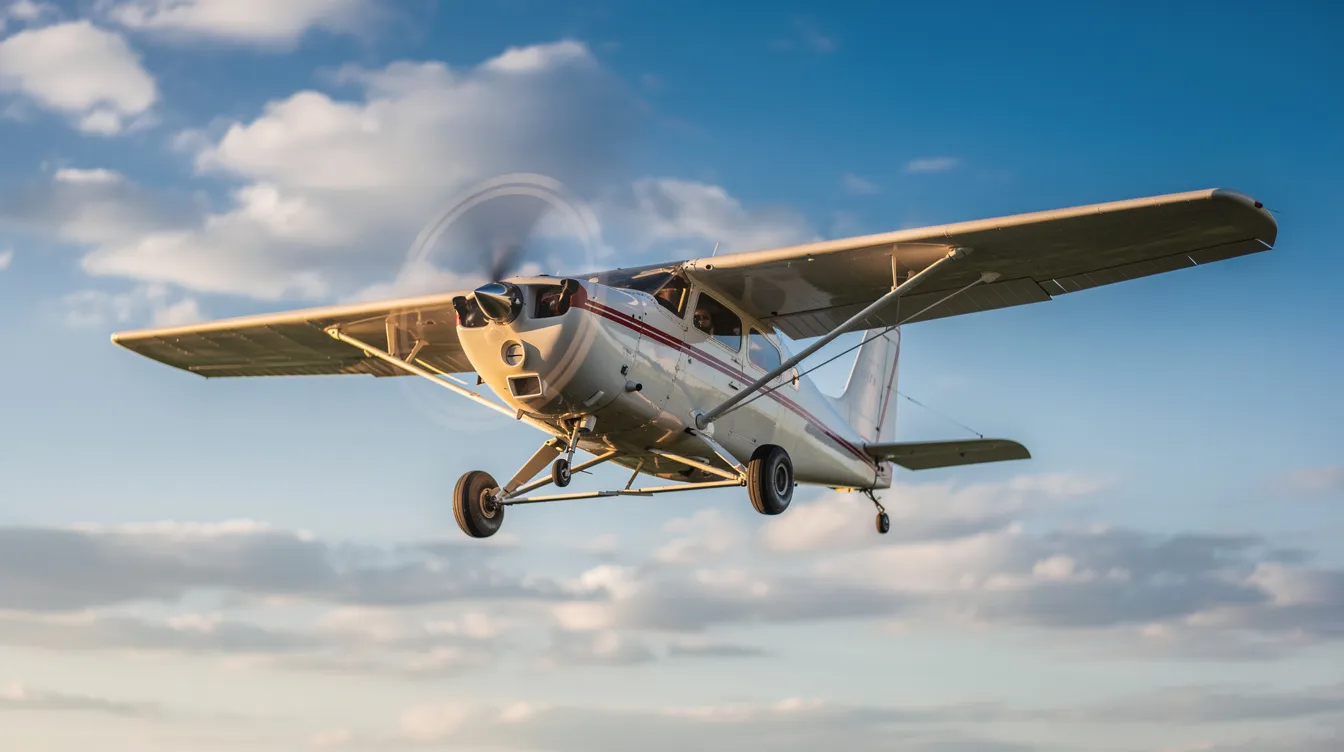
Piston (Cessna Skyhawk 172, Piper PA-28): best for very short hops, low-budget regional private charter, and training. Complex and multi-engine aircraft can cost $250 to $500 per hour to rent, stepping above the simple single-engine range. Flight instructor rates add to the cost if one is needed for rental purposes, and instructor fees increase total rental costs for unlicensed pilots.
Turboprop (Pilatus PC-12, Beechcraft King Air 200): common for ski weekends, short business trips, and short regional flights where short-field access matters. Turboprops typically cost $1,000 to $2,000 per hour.
Very light jet (Citation Mustang): a step up to jet speeds with minimal cabin size, good for 2–3 executives on shorter flights.
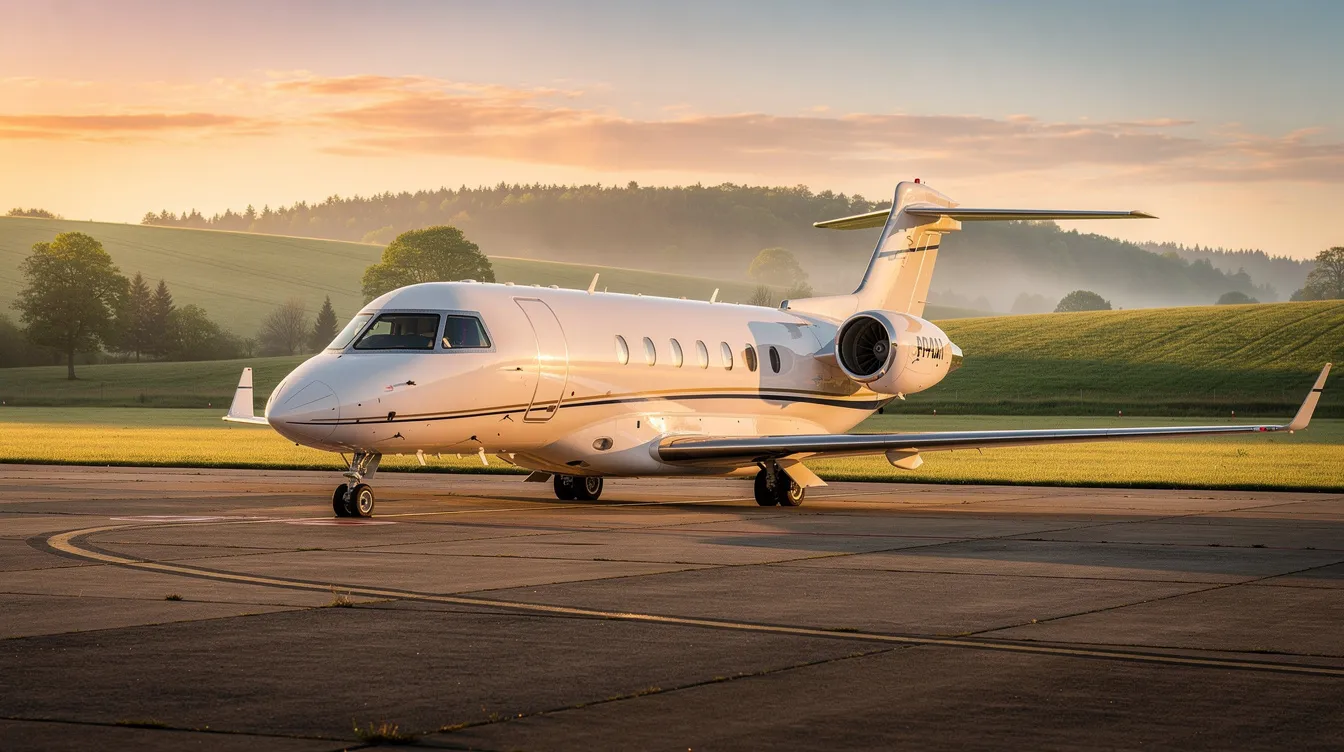
Light jet (Phenom 300, Citation CJ2/CJ3): most popular for 500–1,500-mile flights like Chicago–Nashville or Paris–Ibiza.
For context on larger aircraft: mid-sized jets accommodate 7 to 9 passengers, with charter rates for mid-sized jets ranging from $3,200 to $4,400 per hour. Heavy jets are ideal for transcontinental flights, and heavy jet charters cost between $5,400 and $11,000 per hour, though these fall outside the "small plane" scope of this article.
Older avionics may reduce rental costs compared to modern aircraft, but newer, fuel-efficient planes often deliver better reliability and lower operating costs. FLYT's fleet interchange concept allows members to right-size aircraft per trip, avoiding the common issue of overpaying by flying a larger aircraft than needed.
Flight time, routing, and daily minimums
Charter pricing is based on the billable flight hour, not just flight distance. Operators multiply an hourly rate by total billable hours, which includes actual air time plus possible repositioning legs to bring the aircraft to your departure airport and return it to base afterward.
Longer distances increase charter flight costs due to higher fuel usage, and charter flight costs depend on aircraft operating costs and fuel consumption.
Chartering may involve costs for one-way trips and deadhead flights. Deadhead flights are flights where the aircraft is flown without passengers, typically to reposition for a pickup or to return to base after dropping off passengers.
Positional fees may apply for flights traveling empty to pick up passengers. A seemingly short hop like San Diego–Palm Springs might still take 2–3 hours if the aircraft must reposition.
Daily minimums are common: many piston and turboprop operators charge at least 1.0–2.0 hours per day, and light jets often carry 2.0-hour minimums per segment. Rental costs may include additional fees for daily minimums on long trips.
Efficient routing—combining meetings into a same-day out-and-back—can materially lower cost per useful hour flown.
FLYT's asset-light floating fleet model is designed to reduce repositioning by drawing from a broader network of reliable aircraft near your origin.
Taxes, airport fees, and federal excise tax
In the U.S., most domestic charter flights incur a 7.5% federal excise tax on the base charter price, plus per-passenger segment fees of about $4–$5 per leg. Taxes such as the 7.5% Federal Excise Tax in the US apply to charter flights and should be budgeted for on every domestic trip.
Airport fees and taxes can vary significantly by airport. Landing fees range from $100 to $1,500 per flight, with smaller regional airports often at the low end and major hubs considerably higher; private flights can also use smaller airports, which may improve convenience while changing fee levels.
Handling fees can range from $100 to $800 per flight for ramp services and FBO access. Suburban airports often have lower rental rates compared to metropolitan airports, making them worth considering for departure and arrival. Fuel surcharges may be added to rental rates depending on market conditions.
International flights incur additional fees of $500 to $5,000, covering permits, overflight charges, and customs handling. International flights may incur additional fees of $500 to $5,000 depending on route and jurisdiction, often adding 20–40% over a comparable domestic sector. Landing fees apply at many airports and can add meaningfully to rental costs.
FLYT's approach to transparent pricing shows members exactly how federal excise tax, segment fees, and airport charges layer onto fixed hourly rates, so budgeting is straightforward. See more on FLYT’s pricing transparency.
Seasonality, availability, and positioning
Peak seasons—Christmas–New Year, February ski weeks in Colorado, summer weekends to destinations like Nantucket or Ibiza—increase demand and push up charter rates for small jets and turboprops, and peak demand can also raise private jet costs.
High-demand travel may incur higher costs compared to off-peak times, and booking outside peak times can reduce costs by 20–50%.
Aircraft positioning is often the invisible cost driver. If no suitable private aircraft sits at your departure airport, you typically pay for the repositioning flight time. A 1-hour Boston–Bar Harbor flight may bill closer to 2–3 hours if the plane must arrive from Hartford and return to base afterward.
FLYT's risk-pool model and charter volatility protection aim to reduce deadhead and positioning time across the membership base, which is one way membership can be more cost-efficient than purely on-demand brokered private charter.
Concrete price examples: what common small-plane trips really cost
The ranges above are useful, but seeing how costs stack up on a real route is more instructive. Below are three scenario-style examples using 2026 market data and typical fee structures. Numbers reflect on-demand private jet charter pricing unless noted otherwise.
Example 1: 2-hour regional business trip on a turboprop
Route: New York (Teterboro) to Boston (Hanscom Field), same-day round-trip on a Pilatus PC-12 for 4 executives.
Flight time is approximately 1 hour each way, plus about 0.5 hours of positioning, totaling around 2.5–3.0 billable flight hours at roughly $1,600 per hour.
Base charter cost: $4,000–$5,000.
Landing and handling fees across both airports: $300–$600.
The 7.5% federal excise tax on a $4,500 base adds roughly $338.
Segment fees for 4 passengers across 4 segments come to about $64–$80.
Pilot and crew expenses increase total charter flight costs modestly on a same-day trip with no overnight.
The total cost lands around $4,800–$6,200, translating to roughly $600–$1,550 per person.
Compare that to the door-to-door time cost of commercial flights on the same route—security lines, terminal dwell, and the lack of schedule control—and the value proposition extends well beyond the dollar figure.
Example 2: 2-hour leisure hop on a light jet
Route: Los Angeles (VNY) to Las Vegas (HND) for a weekend trip, chartering a light jet such as a Phenom 300 for 6 passengers.
Air time is about 1 hour each way. If the aircraft waits over the weekend, total billable hours typically run 3–4; if it returns to base and picks you up Sunday, 4–5 billable hours.
At a realistic 2026 hourly rate of $3,000–$4,000 for a light jet, the base charter charge falls in the range of $9,000–$16,000 depending on how minimums are applied and whether it is a same-day or multi-day trip.
Add $300–$800 for landing and handling across both airports, a few hundred for basic in-flight catering, the 7.5% federal excise tax, and segment fees for 6 passengers.
A long-weekend LA–Vegas light-jet private jet charter may total $10,000–$18,000, or roughly $1,700–$3,000 per person for six travelers.
A membership with fixed hourly rates makes this cost more predictable across multiple trips per year.
Example 3: comparing charter to ownership for the same small-plane trip
Consider a well-maintained pre-owned Cirrus SR22 purchased for $550,000 in 2026, used by an owner-pilot for 100 flight hours per year.
Owning a private jet—or in this case, an own private plane of any size—means aircraft owners take on financing, maintenance, insurance, fuel, fees, and other ongoing operating responsibilities, with annual fixed expenses of $16,000 to $30,000 or more from hangar ($4,000–$8,000), insurance ($3,000–$5,000), routine maintenance costs and inspections ($5,000–$8,000), plus subscriptions and avionics upkeep.
Renter's insurance is often required for individuals who do not own aircraft, but owners face even steeper insurance obligations. Renters may need to cover the cost of insurance for rented aircraft, but the premiums are typically far lower than those for owner policies.
Chartering a comparable small plane at $350–$500 per hour for the same 100 hours runs about $35,000–$50,000 total—but without capital risk, depreciation exposure, or the time spent managing maintenance.
Chartering avoids fixed ownership costs like maintenance and insurance. Chartering is often cheaper than owning a private jet when utilization is modest, and flying fewer than 100 hours annually favors chartering over ownership in nearly every analysis.
Charter costs convert fixed ownership expenses into variable spending, and chartering offers flexibility to choose different aircraft for each trip rather than being locked into a single airframe.
For many executives, shifting from ownership to a structured private charter or FLYT membership is a smarter capital allocation than tying up several hundred thousand dollars in an aircraft.
Understanding pricing models: on-demand charter vs membership vs ownership
How you access aircraft can be as important as which aircraft you fly. The cost to charter a small plane varies not just by aircraft type and route, but by your chosen access model. Below is a brief comparison of four common approaches.
On-demand private charter
On-demand private charter means booking trips by trip through a charter company or broker. Private jet charter rates fluctuate based on supply, demand, and specific aircraft availability.
Advantages include no long-term commitment and access to a broad range of aircraft from piston through heavy jets.
Downsides include variable hourly charter rates, less predictability in ancillary fees, potential aircraft positioning fees surprises, and more time spent comparing charter quotes versus membership pricing. This model often works best for travelers flying fewer than 25–50 flight hours per year who are comfortable with price variability.
Jet cards and fractional ownership
Jet card programs offer fixed hourly rates for frequent flyers through prepaid blocks of hours on a certain aircraft category or network. Cards provide more predictability than pure on-demand private jet rental, but may include blackout dates, peak-day surcharges, and significant up-front capital.
You can explore how FLYT compares to jet cards and fractional ownership for a deeper breakdown.
Fractional ownership—owning a share of a light aircraft or larger aircraft—suits travelers flying 150–300 hours per year but carries capital commitment, depreciation, monthly management fees, and shared scheduling constraints. For small-plane users who fly modest hours and want to mix turboprops and light jets, rigid fractional structures can be overkill financially and operationally.
Membership-based private aviation and the FLYT model
A private jet membership is a structured way to access a vetted fleet via a membership platform, with fixed hourly rates, priority access, and concierge services—without owning equity in a private aircraft.
FLYT is a membership-based private aviation platform offering access to a curated, global floating fleet through fixed hourly rates across aircraft categories and the ability to interchange between turboprops, light jets, and larger aircraft as needs change.
The financial benefits are clear: no initial purchase price, no maintenance costs or crew payroll, no exposure to residual aircraft values. Members pay a transparent rate per flight hour plus known taxes and fees.
The risk-pool model and fleet interchange reduce deadhead, improve aircraft utilization, and help stabilize member pricing compared with purely ad-hoc private jet charter.
Think of membership as an operational tool: a way to plan private aviation like any other business line item, with predictable costs instead of variable, trip-by-trip surprises. Learn more about the FLYT platform and its advantages.
Additional fees and optional services to expect
Beyond the base hourly charter rate, trip-specific fees and upgrades can add 10–30% to the total cost depending on the itinerary and preferences.
High-caliber charter companies and memberships should disclose these before booking and incorporate federal excise tax into quotes so clients know their true total.
Common operational and government fees
Domestic U.S. line items typically include:
Landing fees: $100–$1,500 per flight depending on the airport and aircraft weight
Ramp and handling charges: $100–$800
Security fees: at some airports
Per-passenger segment fee: about $4–$5 per leg
Seasonal items like deicing and winter hangar fees matter for routes involving northern U.S., Canada, or European winters—even for smaller aircraft, deicing can cost several hundred dollars per event.
International surcharges cover overflight permits, customs handling, and higher fuel or navigation charges on transborder routes, with international flights adding $500–$5,000 in additional fees.
Crew, overnight, and itinerary-related charges
Multi-day trips where the aircraft and crew members remain overnight at your destination add hotel, per diem, and parking costs.
Crew overnight expenses add $200 to $600 per night per crew member, even on small-plane charters. These overnight expenses are easy to overlook when budgeting.
Short-leg fees or minimum daily hours may apply for very short hops because takeoff and landing cycles are fuel-intensive and accelerate maintenance schedules.
Efficient itinerary design—grouping meetings, using a hub airport, or adjusting departure times—can materially reduce these direct costs.
FLYT's concierge support helps members design itineraries that fit both their calendars and cost expectations, avoiding unnecessary overnight or short-leg penalties where possible.
Optional services and experience upgrades
Common add-ons include:
Custom in-flight catering beyond standard snacks
Premium beverages
Wi-Fi on equipped aircraft
Curated ground transportation (such as a rental car or private car service) at departure and arrival
These rarely dominate the total charter cost but should be factored when comparing private jet charter prices or deciding between commercial flights and private charters.
Business travelers often see these as productivity tools—working Wi-Fi, quiet cabin space, and direct car-to-aircraft transfers—that support the value case for a private jet flight beyond raw ticket price.

How to control and optimize your small-plane charter spend
The goal is not to find the absolute cheapest private jet rental but the most efficient balance of time, cost, and flexibility. Here is how to do that without compromising safety or reliability.
Right-sizing aircraft and routing
Match aircraft to mission. Use piston or turboprops for short-haul flights under 400 miles with 2–4 passengers, and reserve light jets for when speed, altitude, or cabin environment truly adds value.
Avoiding "overjetting"—booking a midsize jet when a turboprop would suffice—can reduce hourly rates by 30–60% on small-plane routes.
Plan routes that minimize repositioning and deadhead leg flights by departing from smaller regional airports where charter activity is high and smaller aircraft are already based.
FLYT's fleet interchange and floating model matches each trip to the most efficient aircraft and location, which is difficult to replicate when you own a single plane.
Timing, flexibility, and empty leg opportunities
Flexible departure times and dates can avoid peak demand periods and unlock better pricing from charter companies with unsold capacity.
Empty leg flights—discounted, one-way repositioning flights—can save up to 75% on costs compared to standard charter. However, they come with schedule rigidity and potential last-minute changes, making them better for opportunistic leisure travel than time-critical business trips.
Some membership programs, including those following a risk-pool model, help members access more structured, predictable savings than ad hoc empty legs alone.
Using membership for predictable private aviation costs
For travelers flying 25–150 hours per year, membership-based private aviation converts volatile, quote-by-quote private jet travel costs into a predictable cost per flight hour.
FLYT structures fixed hourly rates by aircraft class, applies transparent federal excise tax and fees, and lets members see their private aviation spend as a clear budget line rather than a sequence of surprises.
The operational benefits extend beyond pricing: a single platform for trip planning, concierge support, and access to a global floating fleet—without any initial purchase price, hangar, or maintenance commitments.
Explore how FLYT's membership model can serve as a strategic alternative to both commercial airlines and traditional aircraft ownership.
FAQ: chartering a small plane and private aviation with FLYT
How far in advance should I book a small-plane charter to get reliable pricing?
For regional small-plane charter flights, booking 5–10 days ahead usually secures good availability and stable pricing. Major holidays (Thanksgiving, Christmas–New Year) and high-demand events warrant several weeks' notice.
FLYT members can often secure aircraft on shorter notice because capacity is managed across a broader fleet, though earlier planning still yields more aircraft choice. See more in the FLYT FAQ.
Can small private planes fly internationally, and how does that affect cost?
Many turboprops and light jets handle short international flights comfortably—Miami–Nassau, London–Paris, Singapore–Bali—provided they meet local regulatory and range requirements.
Cross-border flights increase the private jet flight cost due to permits, overflight charges, customs handling, and potentially higher fuel prices, often adding 20–40% compared to a similar domestic sector.
FLYT's concierge and operations teams factor these international fees into member quotes upfront for transparent total trip pricing.
How do safety and certification work when chartering a small plane?
Legitimate aircraft charter operators in the U.S. fly under FAA Part 135 certification, with strict requirements for maintenance, crew training, and operational control. Internationally, equivalent standards exist under EASA and CAA frameworks.
Ask any charter company for their operating certificate and safety ratings, such as ARGUS or Wyvern. FLYT partners only with vetted operators that meet rigorous safety, maintenance, and crew standards.
Can my company treat small-plane charter costs as a business expense?
In many jurisdictions, chartering a private jet or small plane for legitimate business travel can be treated as a deductible operating expense, similar to other business transportation.
Rules differ by country and corporate structure, and certain personal or mixed-use private jet travel may be treated differently—consult your CFO or tax advisor.
FLYT provides clear invoicing and flight records, making it easier for finance teams to categorize and document private aviation expenses.
How is FLYT different from a traditional charter company or broker?
FLYT is a membership-based private aviation platform rather than a single-aircraft operator or pure broker.
Members access a curated, global floating fleet through fixed hourly rates and a risk-pool model, with fleet interchange across turboprops, light jets, and larger aircraft, plus concierge-level trip support.
The result is predictable pricing, flexible aircraft access, and no need to manage aircraft maintenance, crewing, or residual values—a smarter, operationally efficient way to manage private jet travel.
Learn more about the FLYT advantage or contact FLYT for personalized assistance.
Conclusion: A smarter approach to chartering small planes with FLYT
Chartering a small plane in 2026 involves navigating a complex landscape of aircraft types, hourly rates, fees, and operational variables. While traditional on-demand private jet charters offer flexibility, they often come with unpredictable pricing and hidden costs that can complicate budgeting and trip planning. Ownership, meanwhile, carries high fixed costs and operational burdens that many frequent travelers seek to avoid.
FLYT presents a modern alternative designed for executives, founders, and frequent flyers who prioritize efficiency, transparency, and flexibility. Its membership-based model offers fixed hourly rates across a curated floating fleet of turboprops, light jets, and larger aircraft, eliminating ownership headaches and converting variable charter expenses into clear, predictable costs. Members benefit from fleet interchange, global reach, concierge-level support, and an asset-light aviation platform that optimizes aircraft utilization and reduces repositioning inefficiencies.
By choosing FLYT, travelers gain access to premium private aviation without the complexity of ownership or the volatility of traditional charter pricing. This strategic approach aligns private flying with business priorities—saving time, controlling costs, and enhancing travel predictability.
Explore how FLYT can transform your private aviation experience at www.flyt.com and discover a smarter, more flexible way to charter small planes and beyond.