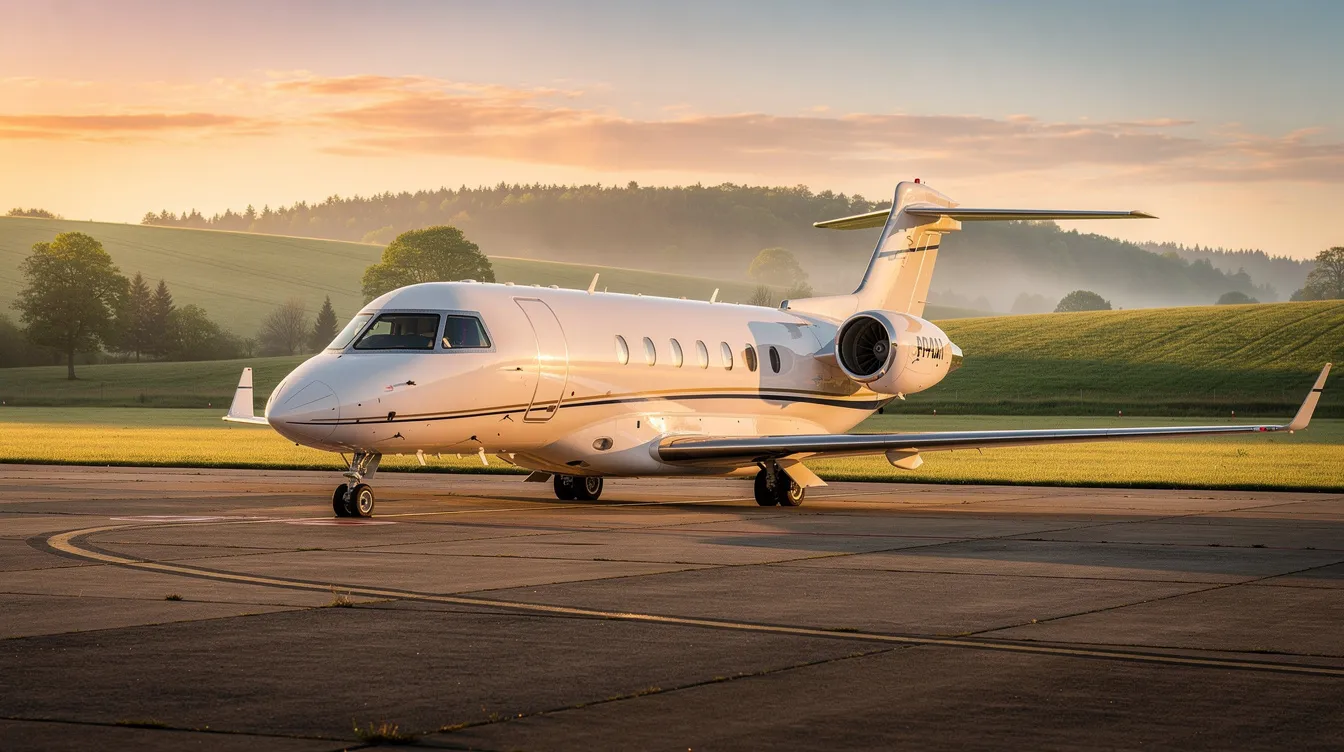
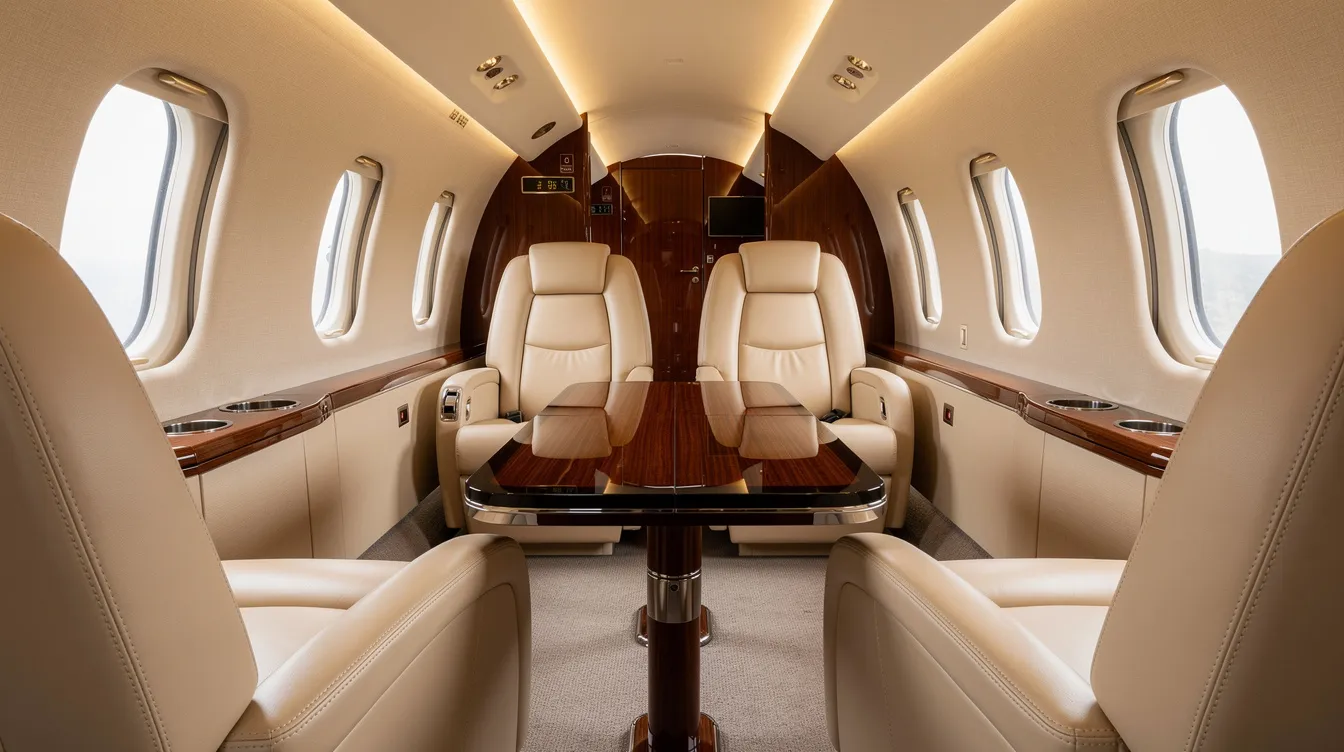
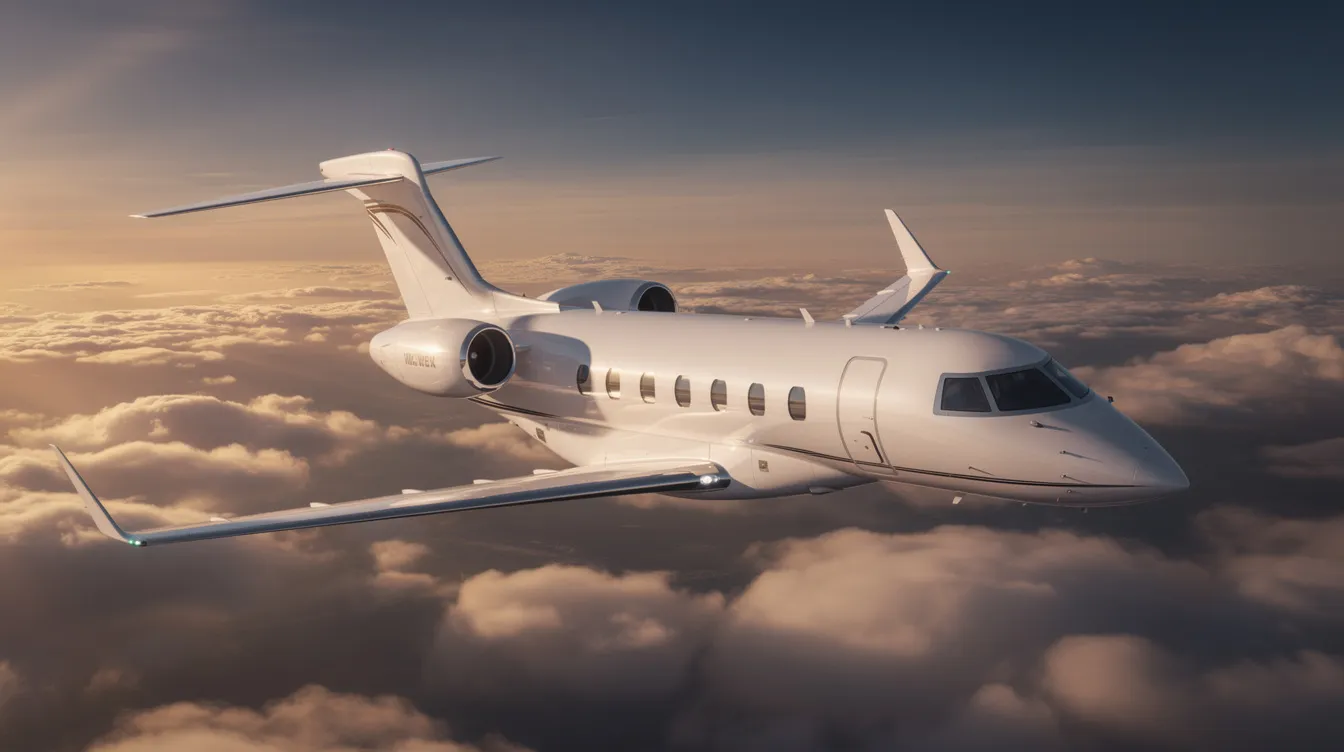
In today’s fast-paced world, time is the most valuable asset for executives, entrepreneurs, and high-net-worth travelers. The decision to fly private is no longer about indulgence but about efficiency, flexibility, and predictability. Yet, understanding the true cost to fly private remains a challenge, with many facing unexpected fees and complex pricing structures.
This guide demystifies private jet costs in 2026, breaking down what you’ll really pay and how modern membership models like FLYT offer a smarter, more transparent way to access private aviation without the burdens of ownership.
Key takeaways
Prices for private jet service typically range from $2,000 to $14,000+ per hour in 2026, spanning turboprops at roughly $2,000 per hour through very light jets at $2,500–$4,500 per hour, light jets at $3,500–$6,500 per hour, midsize jets at $5,000–$9,500 per hour, and long range jets at $9,000–$15,000+ per hour, with ultra long range aircraft above that.
Chartering a private jet is usually more economical than owning one until you exceed approximately 150–200 flight hours per year, because ownership carries substantial fixed costs regardless of utilization.
The biggest cost drivers are aircraft type, flight time and distance, airport choice, demand period, and extras like catering, deicing, and international permit fees.
Add-on costs for private jets may include taxes, landing fees, and crew expenses—items that can inflate a base quote by 20–40% if not disclosed upfront.
FLYT's membership model uses fixed hourly rates and transparent fee structures to eliminate most hidden fees common in on-demand private jet charters, turning volatile trip costs into a predictable budget line. Learn more about FLYT's memberships.
How much does it cost to fly private in 2026?
Before diving into the mechanics, here are concrete price ranges for common routes. These reflect typical on-demand private jet charter pricing—what you would pay without a membership or pre-negotiated arrangement.
Private jet charters are priced per aircraft, not per passenger, so the total cost remains the same whether one person or a full cabin flies.
New York to Boston on a very light jet (roughly 1.0–1.2 hours of flight time): approximately $6,000–$9,000 total for the entire aircraft, depending on date and operator.
Los Angeles to Las Vegas on a light jet (about 1 hour): around $9,000–$12,000 total, or roughly $1,500–$2,000 per seat if six to eight travelers share the cabin.
Miami to New York on a midsize jet (roughly 2.5 hours): $20,000–$28,000.
New York to Los Angeles on a super-midsize like a Challenger 350 (5.5–6.0 hours): approximately $35,000–$50,000.
New York to London on a long-range jet (8–9 hours): $80,000–$100,000.
Los Angeles to Hong Kong on an ultra-long-range jet (11–12 hours): $170,000–$220,000+.
These examples reflect typical on-demand private jet charter flights without membership. Membership models like FLYT convert these variable quotes into predictable fixed hourly rates across a floating fleet, so each trip's cost maps directly to published rate schedules rather than ad hoc broker quotes. Discover how FLYT's platform supports this approach.
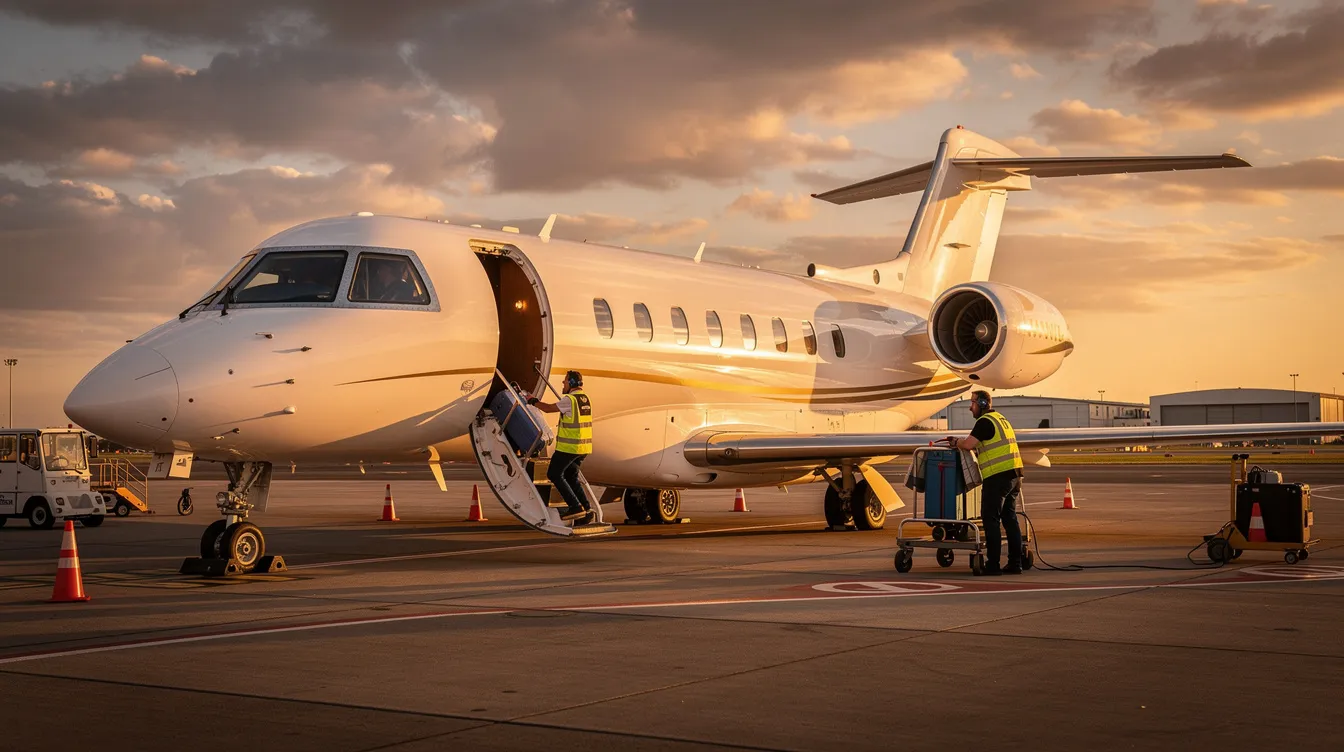
What actually drives the cost to charter a private jet?
All private jet pricing starts with a simple formula: the hourly cost of the aircraft multiplied by billable flight hours, then adjusted for taxes, operational fees, and extras. Private jet charter pricing is highly dynamic and influenced by distance and peak demand, so understanding the underlying drivers helps you evaluate any quote you receive—or any membership rate you consider.
Billable Flight Time
Chartering a private jet is billed by "billable flight time," which includes taxi time, positioning legs, and sometimes daily minimums—not just the minutes you spend in the air as a passenger.
Aircraft Category
The four primary cost pillars are aircraft category (very light jets through ultra-long range), flight time and distance, airport selection and positioning, and timing or seasonality.
Fixed costs like crew salaries, maintenance reserves, and insurance are baked into the hourly rate. Variable add-ons such as catering, deicing, and international permits appear as separate line items.
FLYT's transparent pricing philosophy is designed to contrast with the hidden fees often embedded in pure on-demand private jet charters, where the final invoice can diverge significantly from the initial quote. See how FLYT vs charter compares on pricing transparency.
Flight time, distance, and routing
Flight hours are the single biggest input into private jet charter cost. Everything else is secondary to how long the aircraft needs to fly.
Distance and prevailing winds determine block time. For example, a light jet covering New York to Chicago averages roughly 2.0 billable hours, while New York to Dallas pushes closer to 3.0 hours.
Charter costs increase with longer flight distances due to fuel consumption, and fuel is a major component, representing 25–35% of operational costs for most business jets.
Indirect routings, air traffic control delays, and fuel stops on longer trips add billed hours. A very light jet flying coast-to-coast might require a fuel stop in the middle of the country, adding 45–60 minutes of block time compared to a nonstop flight on a larger aircraft.
Many charter company quotes include deadhead or positioning time in billable hours. If the jet must reposition from another airport before your departure, the ferry leg often appears on your invoice.
FLYT's membership model prices directly on occupied flight time according to published rules, reducing surprises from repositioning charges. More on FLYT's asset-light floating fleet approach.
To illustrate how total private jet rental cost scales:
A 1.5-hour regional hop on a light jet at $5,000 per hour yields $7,500 in base charges.
A 6-hour cross-country flight on the same aircraft reaches $30,000—before any additional fees.
Same hourly rate, dramatically different total spend.
Aircraft size: very light jets vs light, midsize, and ultra-long range
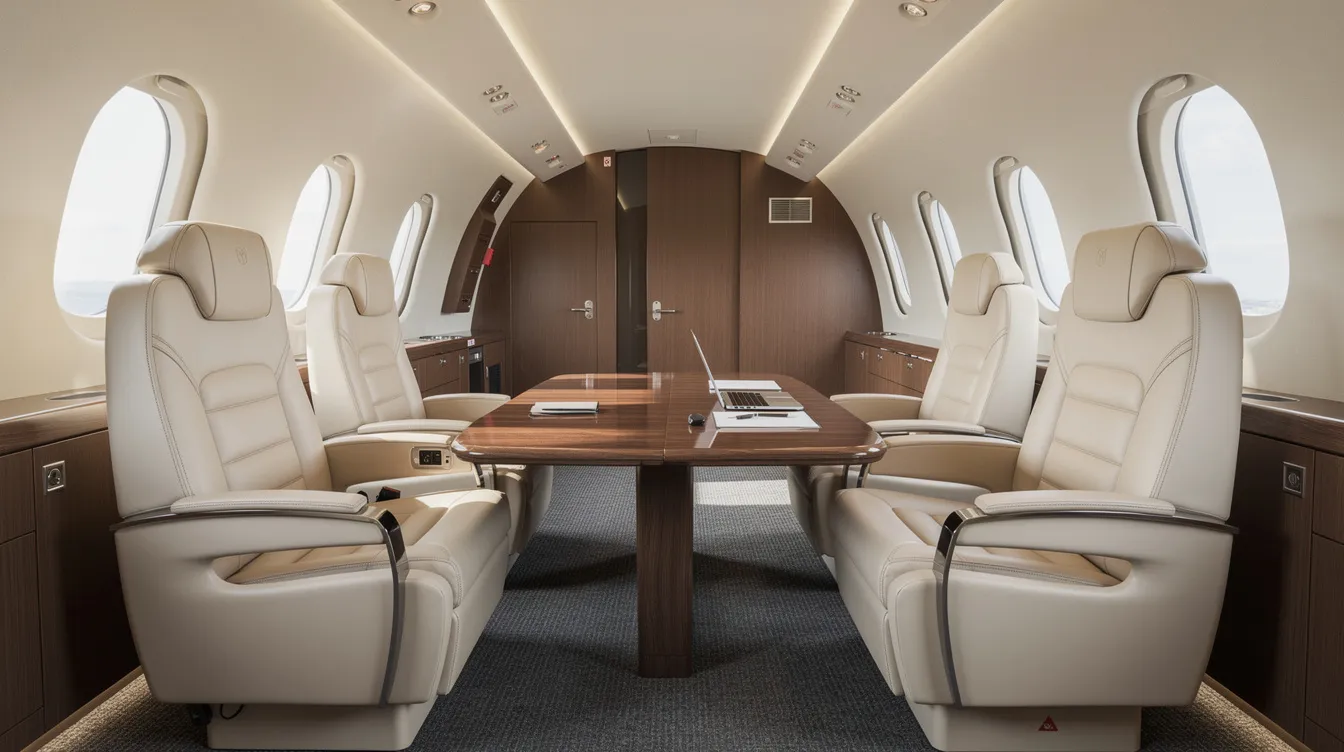
Aircraft category is the most visible driver of both price and experience. Larger aircraft consume more fuel and incur higher maintenance fees than smaller options, which directly translates into higher hourly rates.
Very light jets typically seat up to four passengers and are ideal for short hops under 800–1,000 miles. Hourly rates in 2026 run roughly $2,500–$4,500. These work well for short regional flights where cabin space is less critical than speed and cost efficiency.
Light jets typically accommodate 6–9 passengers and suit regional business trips such as from San Francisco to Seattle. They commonly run $3,500–$6,500 per billable hour on private jet charters, offering a good balance of range and per-seat economics.
Midsize jets can carry 7–9 passengers over longer distances, with stand-up cabins and coast-to-coast U.S. range, and are also popular for lower operating costs than heavier large-cabin aircraft on many missions. Expect $5,000–$9,500 per hour depending on model and age. Super-midsize variants push toward $10,000 per hour with spacious cabins and extended range.
Heavy jets usually accommodate 12–18 passengers with intercontinental capabilities and large cabin jet configurations. A heavy jet charter costs around $10,000 per hour on the low end and can reach $15,000+ for newer models.
Ultra-long-range private jets—aircraft like the Gulfstream G650 or Global 7500—can fly up to 7,000 nautical miles nonstop. Hourly rates range from roughly $12,000 to $18,000+, reflecting maximum range and premium cabin appointments.
Turboprop charters start at around $2,000 per hour and are a practical option for shorter distances where jet speed is less critical. Private jet charter costs range from $2,000 to $18,000 per hour across the full spectrum of aircraft type categories.
FLYT's floating fleet and aircraft interchange let members move between categories—light jets for quick business trips, long-range jets for transatlantic flights—without renegotiating each private jet charter price.
Airports, positioning, and access
Where you depart and land affects both cost and convenience in private jet travel. Flying private typically means using a private terminal at general aviation facilities, but airport-level fees vary widely.
Landing fees range from $100 to $1,500 per flight based on airport class and aircraft weight, with high-density hubs like JFK, LAX, and Miami International at the upper end. Smaller reliever airports charge substantially less.
Aircraft positioning is a hidden cost. If your chosen private jet is not already at your departure airport, the ferry leg is often billed at the same hourly rate, adding tens of thousands of dollars to a charter a private jet quote on longer repositioning distances.
Choosing secondary airports near major hubs—Teterboro instead of JFK, Van Nuys instead of LAX—can reduce both landing fees and taxi time while keeping ground transportation to the city center manageable.
FLYT's asset-light, floating fleet model is designed to minimize repositioning by strategically placing aircraft across demand corridors, reducing or standardizing these positioning costs for members. Learn more about FLYT's risk pool and charter volatility protection models.
Timing, peak demand, and seasonality
When you fly can be as important as where you fly for pricing. Booking a private jet during off-peak times can lower costs meaningfully compared to holiday or event-driven travel windows.
Higher rates and limited availability cluster around peak U.S. demand dates: Thanksgiving week, Christmas through New Year's, and major events like CES in Las Vegas or Art Basel in Miami. During these periods, even standard aircraft categories see elevated pricing.
Peak-day surcharges, daily minimums, and reduced fleet availability can push an otherwise standard charter 10–30% higher. A two-hour private jet flight can cost $8,000 to $37,000, and the wide end of that range often reflects peak-demand pricing.
More flexible departure windows—flying Thursday instead of Friday, or departing a day before a holiday—can significantly reduce charter costs for the same route and aircraft.
FLYT uses fixed hourly rates and clear peak rules so members know in advance if a given date window carries a premium, rather than discovering a surcharge at the quoting stage. See FLYT pricing for details.
Line-item costs: from hourly rates to taxes and hidden fees
A private jet charter invoice is a combination of hourly flight charges, operational fees, and mandatory taxes like the federal excise tax in the U.S. Understanding each line item is the difference between a budget that holds and one that drifts 20–40% over plan.
Main Line Items on a Typical Invoice
The main line items on a typical invoice include:
Flight time charge (hourly rate × billable hours)
Landing and handling fees
Fuel surcharges (starting at around $300 per hour on some operators)
Crew expenses, including overnight stays
Catering and ground transportation
Government taxes (FET, segment fees, international head taxes)
Special services: deicing, Wi-Fi, cleaning
Opaque quoting can obscure these items, leading to surprise costs at the end of a trip. Additional amenities can significantly increase the total cost of private jet travel if they are not itemized upfront. FLYT's model identifies these components in advance and folds many into its fixed hourly rate framework wherever practical, reducing uncertainty for frequent flyers.
Hourly Flight Charges
The largest portion of any private jet rental cost is the hourly charge for the aircraft and crew. This rate covers crew salaries, maintenance reserves, insurance, hangar costs, and capital expenses, consolidated into a single hourly figure.
A simple example:
A 3-hour leg on a light jet at $5,000 per hour equals $15,000 in base charges before any fees or taxes.
That same aircraft on a 1-hour hop still costs at least $5,000—and possibly more, because some operators bill minimum daily hours (typically 2 flight hours per day), which can make very short out-and-back missions more expensive than expected.
Short flights on smaller jets can be more economical, but the minimum billing threshold is an important detail to confirm before booking. Chartering a turboprop can start at about $2,000 per hour, making it the entry point for private aviation on short routes.
FLYT uses fixed hourly rates defined in membership terms, so members know the rate per category ahead of time regardless of the specific aircraft tail number used.
Airport Fees
Airport Landing, Ramp, and Handling Fees
Every airport has a cost structure for using its runways and facilities. These fees are separate from the hourly flight charge and can vary substantially between airports.
Landing fees can range from $100 to $1,500 per flight based on airport and aircraft weight.
Busy metropolitan airports and international hubs sit at the upper end of that range.
Ramp and handling fees from fixed-base operators (FBOs) commonly add $100–$600 per visit for parking, towing, and passenger services, sometimes waived if you purchase a minimum amount of fuel.
Charter quotes may include estimates of these fees, but actual invoices can adjust after the trip if the airport charges differ from the estimate. This is one of the quieter sources of hidden costs in private charters.
FLYT works with preferred FBO partners and standardizes expectations around these fees for members when planning trips, reducing the gap between quoted and actual costs.
Crew Expenses
Crew Expenses and Overnight Costs
If your trip spans multiple days, the aircraft and crew members must remain with you or reposition, creating added costs that go beyond the flight itself.
Overnight crew accommodation costs between $200 and $600 per crew member in the U.S., with higher-cost cities and international destinations pushing toward $700 or more.
Crew costs may include lodging, meals, and travel expenses for overnight stays—per diem charges for local transport and food add incrementally.
For a flight attendant and two pilots staying two nights in a major city, crew overnight expenses can easily reach $2,000–$3,000. Complex multi-city itineraries can sometimes be optimized—using different aircraft or combining legs—to reduce unnecessary crew overnights.
FLYT's concierge services help members design routings that balance convenience with the incremental cost of crew duty limits and overnights, particularly on longer trips across multiple destinations. Learn about FLYT's concierge advantage.
Government Taxes
Federal Excise Tax and Other Government Charges
In the U.S., private jet travel is subject to specific federal taxes on top of airport fees. These are mandatory and should be factored into every budget.
The federal excise tax is 7.5% on domestic flights, applied to the base charter fare. On a $30,000 domestic charter, that adds $2,250 in tax alone.
Per-segment passenger fees run approximately $5.30 per passenger per segment on U.S. domestic flights.
International facility taxes add roughly $23.40 per passenger when crossing U.S. borders.
International flights often include overflight and landing permit fees—hundreds to several thousand dollars per country depending on route complexity. These costs are particularly relevant for long-haul flights crossing multiple sovereign airspaces.
FLYT includes FET and government charges clearly in member trip confirmations, so there is no confusion between the base hourly rate and the taxed total.
Other Variable Expenses
Deicing, Hangar, Wi-Fi, and Other Variable Expenses
Some costs only appear under certain conditions, particularly weather-related operations and connectivity on longer routes.
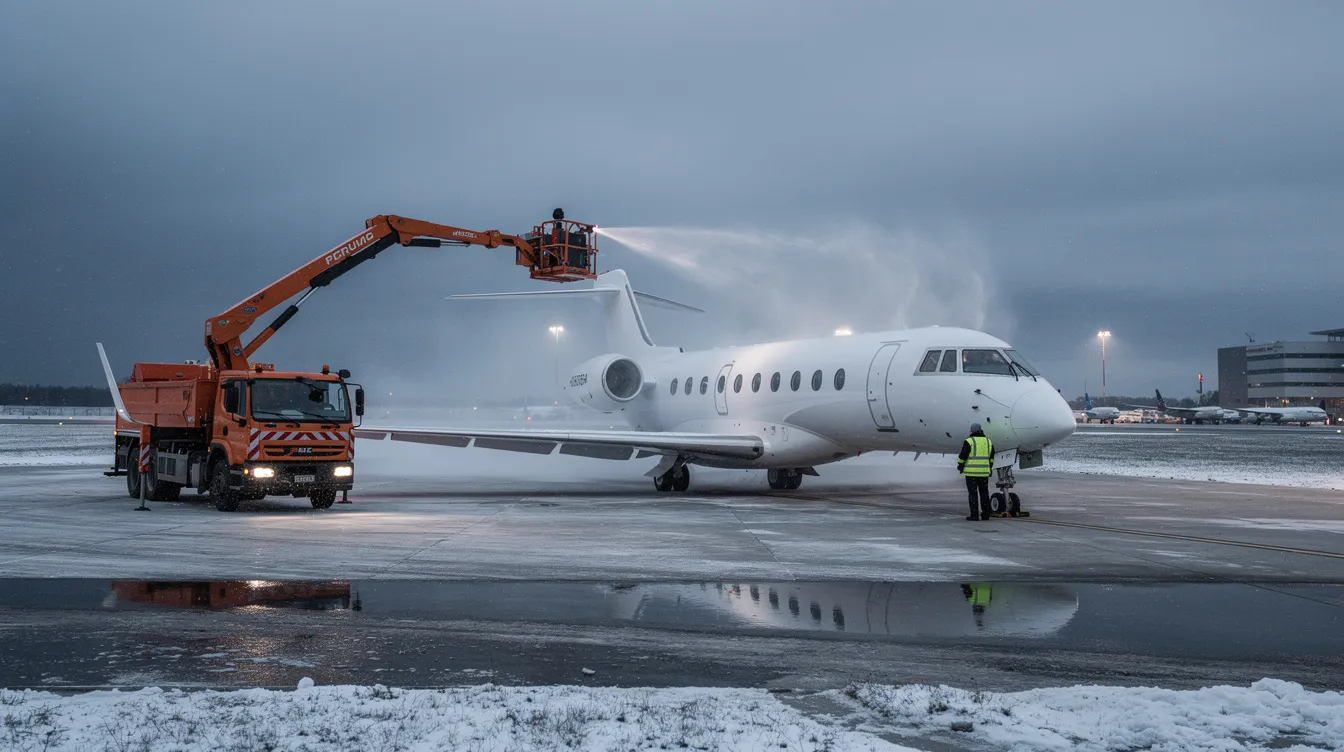
Deicing costs for winter operations in locations like Aspen, Denver, or Zurich typically range from $1,500 for a light jet to $10,000+ for large cabin jets after major snow or ice events.
Hangar fees can mitigate some deicing frequency, often running $500–$1,500 per night depending on aircraft size and airport.
In-flight Wi-Fi varies: some private jets include it, while others bill per flight or per gigabyte, potentially adding hundreds of dollars on a transcontinental leg.
Premium catering for a private jet flight can range from a few hundred dollars for a standard spread to several thousand for multi-course meals with wine service.
Cleaning fees can start at $250 after a charter flight, particularly for larger aircraft or trips involving pets or special events.
Ground transportation coordination, security arrangements, and specialized equipment each carry their own charges.
FLYT's approach is to disclose these as optional additional services with clear pricing rather than burying them as ambiguous surcharges—so members understand exactly what is standard and what carries an incremental cost.
How membership changes the cost to fly private
The distinction between on-demand private jet charters and membership-based access is fundamentally about predictability. On-demand charter works: you call a broker, get quotes, pick an aircraft, and pay what the market dictates that day. Membership replaces that per-trip negotiation with fixed hourly rates and predefined terms—a meaningful difference for anyone flying regularly.
For flyers logging 25–200 flight hours per year, a membership can offer many of the economic benefits of fractional ownership and jet cards without buying or co-owning a specific aircraft. Cost-sharing with fellow passengers reduces private jet expenses further when multiple travelers split a flight.
Beyond price, membership standardizes service quality, safety oversight, and concierge support across all trips—valuable for executives managing both business and leisure travel and for families who want consistency regardless of destination. Learn more about how FLYT works.
Membership vs on-demand private jet charters
On-demand private jet charter services work well for occasional trips and can be especially attractive for travelers who want more control and time savings than commercial flights when airline schedules are limiting, but they still carry inherent unpredictability in price and availability.
Booking a jet that is already flying empty can offer significant discounts through empty leg flights, but these discounted one-way fares are by nature opportunistic—you cannot build a travel schedule around them.
On-demand pricing fluctuates with market supply, often leading to higher last-minute rates and inconsistent experience across different charter company operators. A charter flight to the same destination on the same aircraft type can cost 30% more or less depending on the week.
FLYT's membership replaces ad-hoc quoting with fixed hourly rates by category—light jets versus super-midsize, midsize jets versus long-range—plus transparent rules for peak days and international surcharges. Members pay only for time flown under agreed terms rather than absorbing a charter broker's margin volatility on each trip. See FLYT vs brokers vs jet cards for a detailed comparison.
A member flying 40–60 hours per year sees more predictable annual spend compared to booking 10–15 separate ad-hoc private jet charter flights at market rates, where each quote is a fresh negotiation influenced by operator availability, fuel prices, and seasonal demand.
Membership vs fractional ownership and jet cards
Many frequent flyers compare membership to buying a jet fraction or purchasing a traditional jet card. Each model has a distinct economic profile.
Fractional ownership requires upfront capital for a share of a specific aircraft, plus monthly management fees and hourly usage charges. Entry cost for a 1/16 share of a popular light jet can start around $750,000 in 2026. This model typically makes financial sense above approximately 150–200 hours per year, where the fixed-cost structure begins to amortize effectively. Learn more about FLYT vs fractional ownership.
Jet card programs offer pre-purchased hours at fixed rates with rules around call-out times, peak restrictions, and sometimes fuel or zone surcharges. They provide more predictability than pure charter but less flexibility than a full membership with fleet interchange. See FLYT vs jet cards for insights.
FLYT is an asset-light alternative that does not require buying a share in a specific tail number, avoiding depreciation risk and long-term capital lock-up. The floating fleet and risk pool model spread operational risk and demand across the membership, allowing fleet interchange—very light jets for short domestic flights, long-range jets for international flights—under one framework.
Where FLYT fits in your aviation strategy
Private aviation is a capital allocation decision for executives, founders, and families who value time and control. The question is not whether flying private makes sense—it is which access model delivers the best combination of cost efficiency, flexibility, and service quality for your actual travel pattern.
FLYT is designed for travelers flying enough to care about predictability and service—roughly 20–200 hours per year—but who prefer to avoid owning or co-owning a private plane. The model emphasizes transparent, fixed hourly rates, global private jet travel access, and concierge-level support instead of asset ownership.
Members can adapt aircraft choice trip by trip—selecting a light jet for a medium-haul flight, midsize jets for cross-country nonstop flights, or a long-range jet for transatlantic legs—without renegotiating with a different charter company each time they need to cross an ocean.
Explore how a FLYT membership can turn variable charter costs into a predictable line item in your travel budget.
Real-world examples: what specific private jet trips cost
Theory only goes so far. This section applies 2026 market ranges to concrete routes across aircraft categories, showing how private jet charter prices shift with jet size, flight distance, and mission profile.
Prices represent typical on-demand charter a private jet ranges before membership benefits, taxes, and ancillary services.
Short regional hops on very light and light jets
Short regional flights are where very light jets and light jets deliver the most cost-efficient private aviation experience.
New York (Teterboro) to Boston (Hanscom Field) on a very light jet runs roughly 1.0–1.2 billable hours each way. The total trip cost is around $7,000–$10,000 depending on the operator and date.
Using Teterboro as a private terminal avoids the congestion and higher landing fees of JFK while keeping Manhattan within a 20-minute drive.
Los Angeles (Van Nuys) to Las Vegas (Henderson) on a light jet takes about 1.0 hour of flight time but is often billed as a 2-hour minimum per day. This brings the total to around $9,000–$12,000.
With up to eight passengers sharing the cabin, the cost per person can approximate or beat full-fare first-class commercial airline tickets on the same route—with none of the airport security lines or schedule constraints.
FLYT steers members toward aircraft categories that match the mission profile, ensuring they are not paying for unnecessary capacity or cabin space on a one-hour hop that does not require a heavy jet.
Cross-country and transatlantic flights on midsize and long-range jets
Longer trips demand midsize, super-midsize, or long-range jets for nonstop performance and comfort on flights covering vast distances.
New York (Teterboro) to Los Angeles (Van Nuys) on a super-midsize jet like a Challenger 350 takes about 5.5–6.0 hours and typically runs $35,000–$50,000 as a one-way flight. This route is among the busiest private jet corridors in the world, and empty leg flights occasionally appear at a discount for flexible travelers.
Miami (Opa-locka) to London (Luton) on a long-range jet requires roughly 8–9 hours of flight time, often costing $85,000–$120,000 depending on aircraft age and season. Heavy jets can cost over $190,000 for long-haul flights on premium aircraft with full crew and catering.
Los Angeles to Tokyo (Haneda) on an ultra-long-range jet covers about 11–12 hours, commonly $170,000–$230,000+ in charter pricing. Flights of this flight distance require an air carrier certificate-holding operator with international expertise and appropriate permits.
FLYT's global reach and fleet interchange let members choose the right long-range jets or ultra-long-range aircraft per mission without switching providers or starting from scratch with a new charter company each time they need to cross an ocean.
The hidden costs of owning a private jet vs accessing one
Many executives explore ownership but underestimate the ongoing fixed costs versus chartering a private jet or joining a membership like FLYT.
The acquisition cost for new and late-model business jets ranges from several million to tens of millions of dollars—a Phenom 300-class light jet starts around $9–12 million, while larger aircraft push well beyond $50 million.
Major ownership costs include:
For a heavy or large-cabin jet, fixed annual expenses alone can exceed $1 million before the aircraft flies a single hour.
Even modest annual utilization—say, 150 hours per year—can yield a very high per-hour effective cost once all ownership expenses are included. Larger aircraft consume more fuel and incur higher maintenance fees than smaller options, compounding the per-hour cost if the jet sits idle most of the year.
Memberships like FLYT are fundamentally about access to private jets and private jet charter flights without the balance-sheet burden and depreciation risk of ownership.
When does ownership make financial sense?
For some operators flying 400–600+ hours per year on stable, repetitive missions, owning can be rational. But these cases are the exception, not the norm.
General industry thresholds suggest:
Ownership is typically considered above approximately 300–400+ hours per year
Fractional ownership shares around 150–300 hours
Membership or charter below that range
These are guidelines, not rules—individual circumstances around aircraft type, mission profile, and tax situation matter.
Per-hour costs for an owned heavy jet, including all fixed and variable expenses, can easily exceed $7,000–$10,000 per hour even when heavily utilized. A traveler flying 100 hours per year could allocate a fraction of ownership's annual spend to a private jet membership and maintain flexibility across multiple aircraft types and global destinations.
FLYT specifically targets this middle segment—frequent but not constant flyers who value flexibility and predictable cost over the complexity and capital commitment of asset ownership.
FAQ
These questions address common topics not fully covered in the sections above. For more, see the full FLYT FAQ.
How many hours per year justify a private jet membership instead of pure charter?
Memberships typically start making sense around 20–25 hours per year, where the predictability of fixed hourly rates and consistent service quality offsets membership fees. The model becomes particularly compelling from roughly 40–200 hours annually, especially for travelers who value budgeting certainty across business and leisure travel. Below approximately 20 hours, ad hoc charter flights may remain adequate. Above 200–300 hours, fractional ownership or full ownership may warrant evaluation alongside membership, depending on mission profile and capital preferences.
Can I share the cost of a private jet with colleagues or family?
Most private jet charters and memberships allow passengers from multiple families or companies on the same private jet flight, with cost-sharing handled internally by the parties involved. Since private jet charters are priced per aircraft and not per passenger, splitting the cost among six or eight travelers can make a leg flight significantly more accessible. Corporate travelers should consult tax and compliance advisors when cross-charging flights between entities, while FLYT focuses on providing accurate, auditable invoices per trip.
How far in advance do I need to book to get predictable pricing?
Booking 5–10 business days in advance usually provides the best balance of aircraft choice and pricing, especially during busy seasons. Shorter notice is possible—particularly with membership models—but last-minute availability depends on fleet positioning and demand. FLYT memberships include defined call-out times with standard and peak-day notice windows, so members know exactly when guaranteed access and fixed hourly rates apply. For peak periods, earlier booking is always advisable. Booking a private jet during off-peak times can also lower costs and improve aircraft selection.
How does FLYT ensure safety across different private jets and operators?
FLYT partners only with audited, highly rated operators holding appropriate certifications (such as ARGUS or IS-BAO ratings where relevant), standardizing safety and maintenance expectations across the fleet. Every operator must hold a valid air carrier certificate and meet FLYT's internal vetting criteria. This centralized approach means members avoid the task of independently evaluating each charter company or private plane—safety diligence is handled at the membership level.
Can I switch between light jets and long-range jets under one FLYT membership?
Fleet interchange is a core benefit of FLYT membership. Members can select different aircraft categories—very light jets, light jets, midsize jets, super-midsize, and long-range jets—based on each trip's range, passenger count, and schedule requirements. A short hop might call for a light jet, while a transatlantic flight requires a heavy or ultra-long-range aircraft. Pricing is governed by clearly published fixed hourly rates per category, so switching aircraft types is an operational decision within the membership framework, not a new negotiation with a different provider.
Additional amenities can significantly increase the total cost of private jet travel.
Private jet charters cost between $3,500 and $18,000 per hour.
A two-hour private jet flight can cost $8,000 to $37,000.
Charter costs increase with longer flight distances due to fuel consumption and fuel efficiency factors.
Heavy jets can cost over $190,000 for long-haul flights.
Larger aircraft consume more fuel and incur higher maintenance fees than smaller options, contributing to higher operating costs.
Crew costs may include lodging, meals, and travel expenses for overnight stays.
Prices for private jet service typically range from $2,000 to $14,000+ per hour.
Add-on costs for private jets may include taxes, landing fees, and crew expenses.
Fuel is a major component, representing 25–35% of operational costs.
Private jet charters are priced per aircraft, not per passenger.
Private jet charter costs range from $2,000 to $18,000 per hour.
A heavy jet charter costs around $10,000 per hour.
Chartering a turboprop can start at about $2,000 per hour.
Landing fees can range from $100 to $1,500 per flight.
Federal Excise Tax is 7.5% on all domestic flights.
Conclusion: Making private jet costs predictable with FLYT
FLYT's positioning is straightforward: membership-based private aviation focused on transparent pricing, fixed hourly rates, and flexible global access. The model is designed for travelers who have moved beyond asking "can I afford to fly private?" and instead ask "what is the most efficient way to access private aviation consistently?"
The core components include:
Fixed hourly rates by aircraft category, published and predictable
Fleet interchange across very light jets, light jets, midsize jets, heavy jets, and long-range jets
An asset-light floating fleet that avoids capital lock-up and depreciation
A risk pool model that smooths demand and cost across the membership
Concierge support that coordinates aircraft selection, route optimization, and on-the-ground logistics
Transparent pricing removes many traditional hidden fees and makes budgeting annual private jet travel spend much easier for both companies and families. Instead of managing ten separate relationships with different private jet charter services, members work through a single framework that covers domestic flights, international flights, and everything in between.
Discover the FLYT advantage and how it fits into your travel strategy.
Explore how a membership model built around efficiency and transparency can simplify your approach to private aviation. For questions or to get started, visit FLYT or contact us.