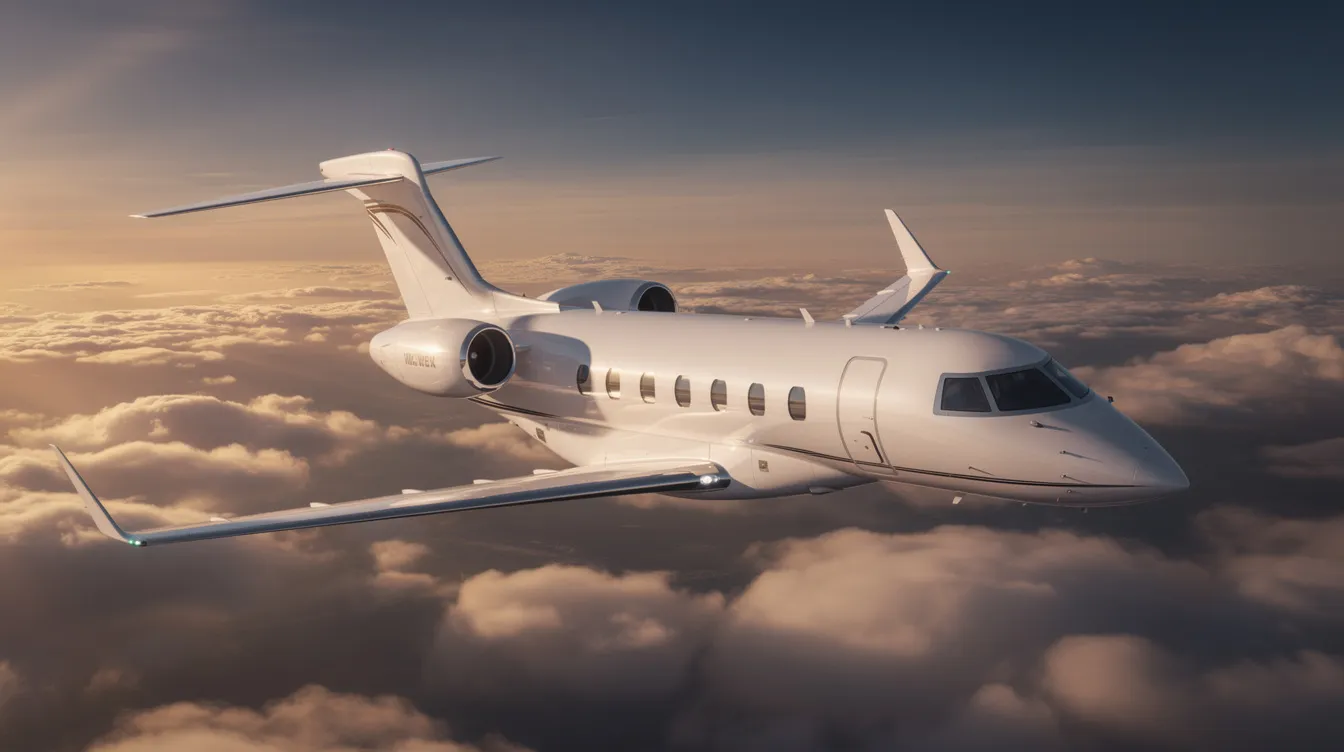
In today’s fast-paced business environment, time is the most valuable asset. For executives, entrepreneurs, and high-net-worth travelers, the ability to move efficiently and flexibly without the burdens of ownership is paramount. A 12 seater private jet offers a strategic solution—combining spacious comfort with operational agility to meet diverse travel needs. But beyond the allure of luxury lies a complex financial and operational landscape that demands careful consideration.
This guide unpacks the true costs, aircraft categories, and smarter access models for 12 seater private jets, empowering you to make informed decisions that align with your financial strategy and travel priorities.
Key Takeaways
Aircraft Categories
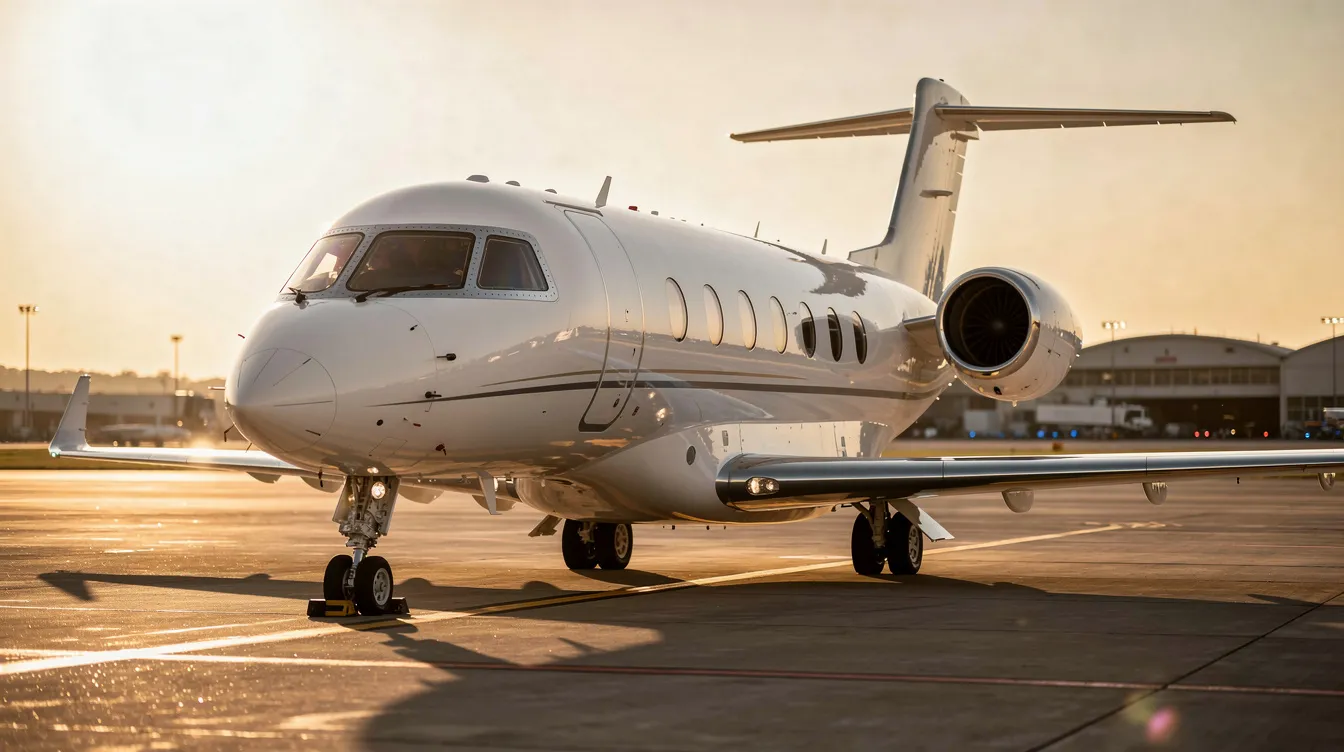
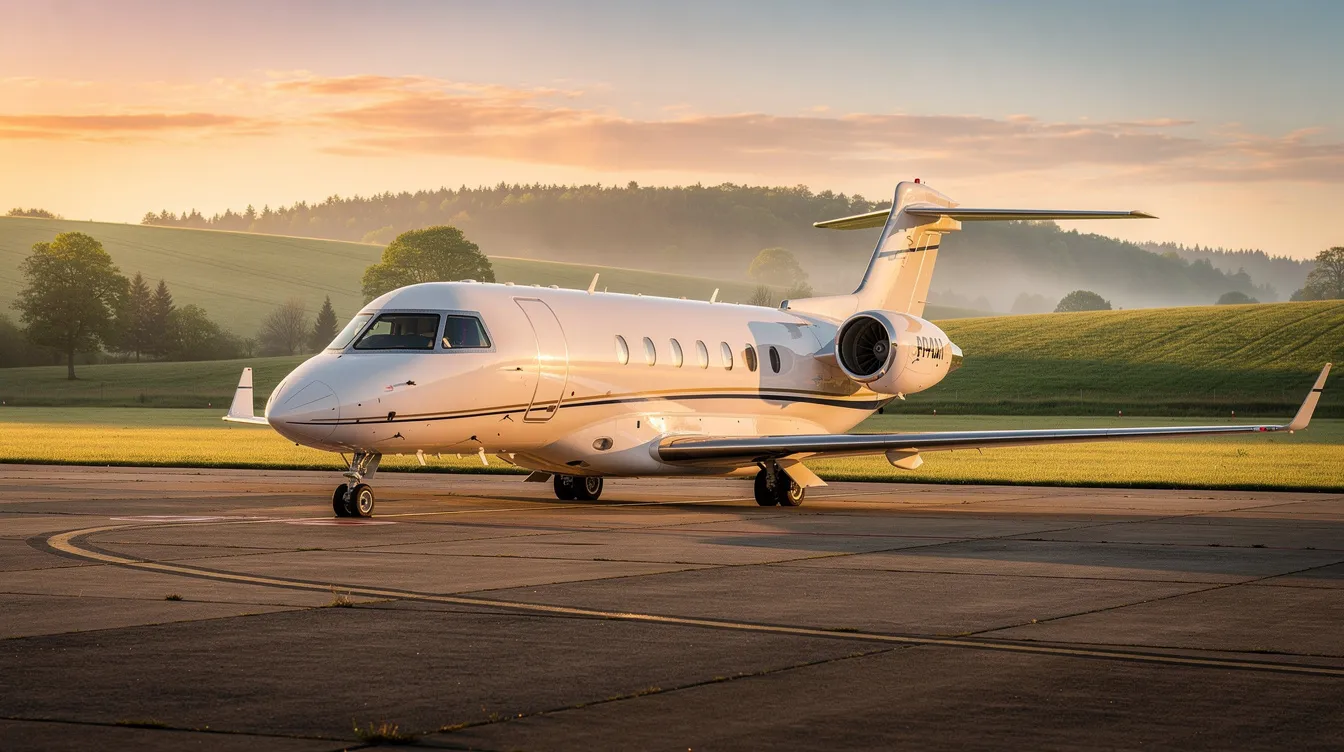
A 12 seater private jet is not one aircraft model. It is usually a cabin configuration found in super midsize jets and large-cabin aircraft, where the operator balances passenger capacity, cabin space, range, and comfort.
Cost Overview
Cost factor | Details |
|---|
Typical hourly charter rates | $5,500 to $15,000+ per flight hour in 2024–2025; some quotes up to $22,000 per hour depending on aircraft type and services |
All-in ownership costs | $2 million to $4 million per year (crew, maintenance, fuel, insurance, management, hangar fees) |
Total cost drivers | Aircraft type, flight distance, fuel prices, federal excise tax, international fees, landing fees, handling, crew, and additional costs (add 10–25% to base rates) |
Ownership vs. charter | Ownership suits ultra-heavy users; charter is cost-effective for occasional travel |
Access Models
FLYT’s membership-based model gives frequent flyers access to fixed hourly rates, transparent pricing, fleet interchange, and global private jet travel without buying a single asset outright.
The right model depends on usage: charter often works for occasional travel, ownership can suit ultra-heavy users, and membership can be a smarter middle ground for executives and family offices.
What Is a 12-Seater Private Jet, and Who Is It For?
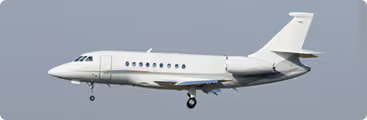
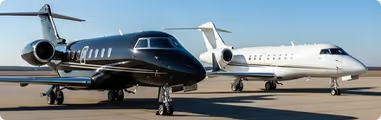
A 12 seater private jet usually falls into the Super-Midsize or Heavy/Large Cabin categories. These private jets typically accommodate between 8 and 16 passengers, but many are configured around 12 seats to create more usable cabin space, better work zones, and a more comfortable long-range environment.
Super midsize jets generally seat 8 to 12 passengers, while heavy jets can carry 10 to 16 passengers, offering a balance of range, comfort, and mission flexibility. In practice, a 12 seater is often selected by corporate executives, family offices, investors, and high net worth individuals who need privacy, schedule control, and nonstop access to business or lifestyle destinations.
Typical use cases include:
Executive teams flying between New York, Miami, Los Angeles, London, or Dubai
Family offices moving between homes with staff, luggage, and pets
Investor or board travel requiring confidential meetings in flight
Long haul flights where commercial airlines cannot offer the right timing or routing
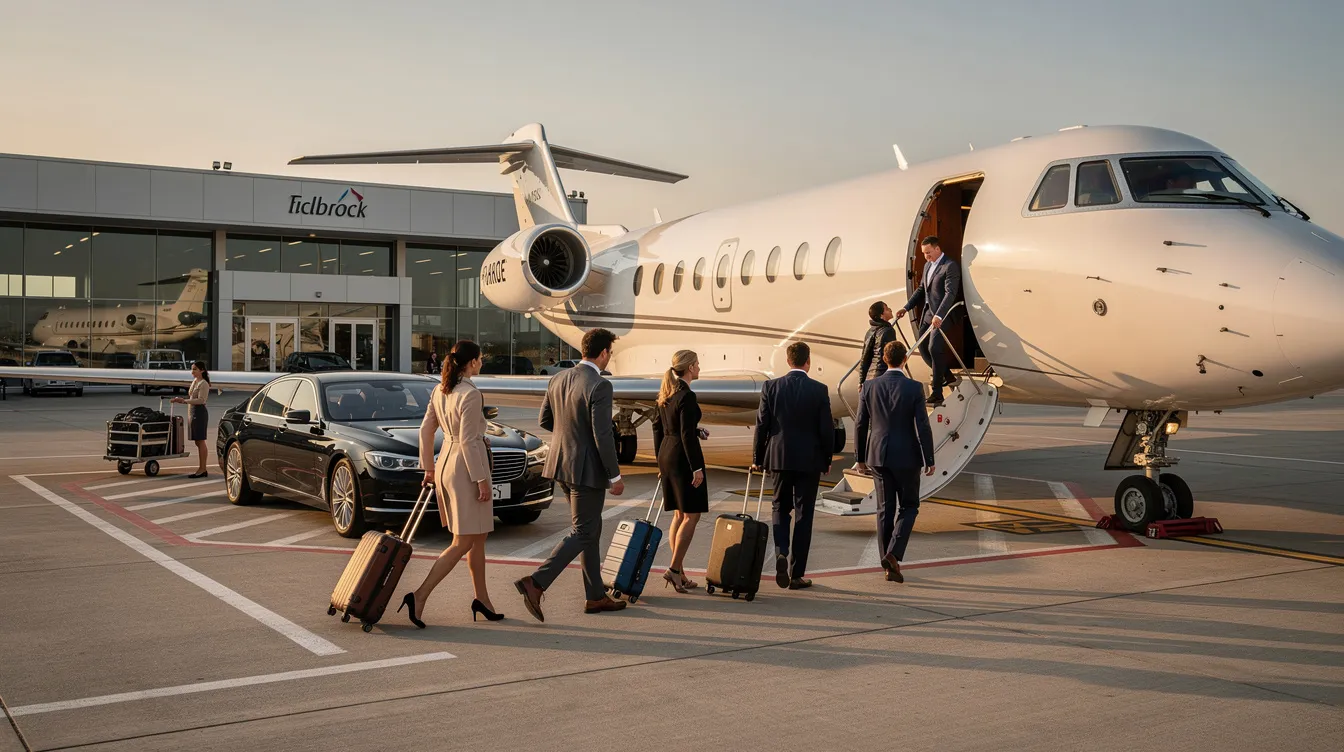
Private jets use smaller private terminals, which allows access to thousands of regional airports that commercial airlines cannot access. That is one of the practical advantages of flying private: the aircraft gets closer to the actual destination, reduces ground time, and lets the group dictate departure times.
A 12-seater private jet allows for total schedule control, enabling departure times to be dictated by the group. Traveling on a 12-seater jet also provides privacy for confidential meetings and personal space for the entire group.
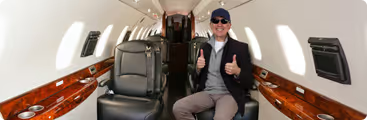
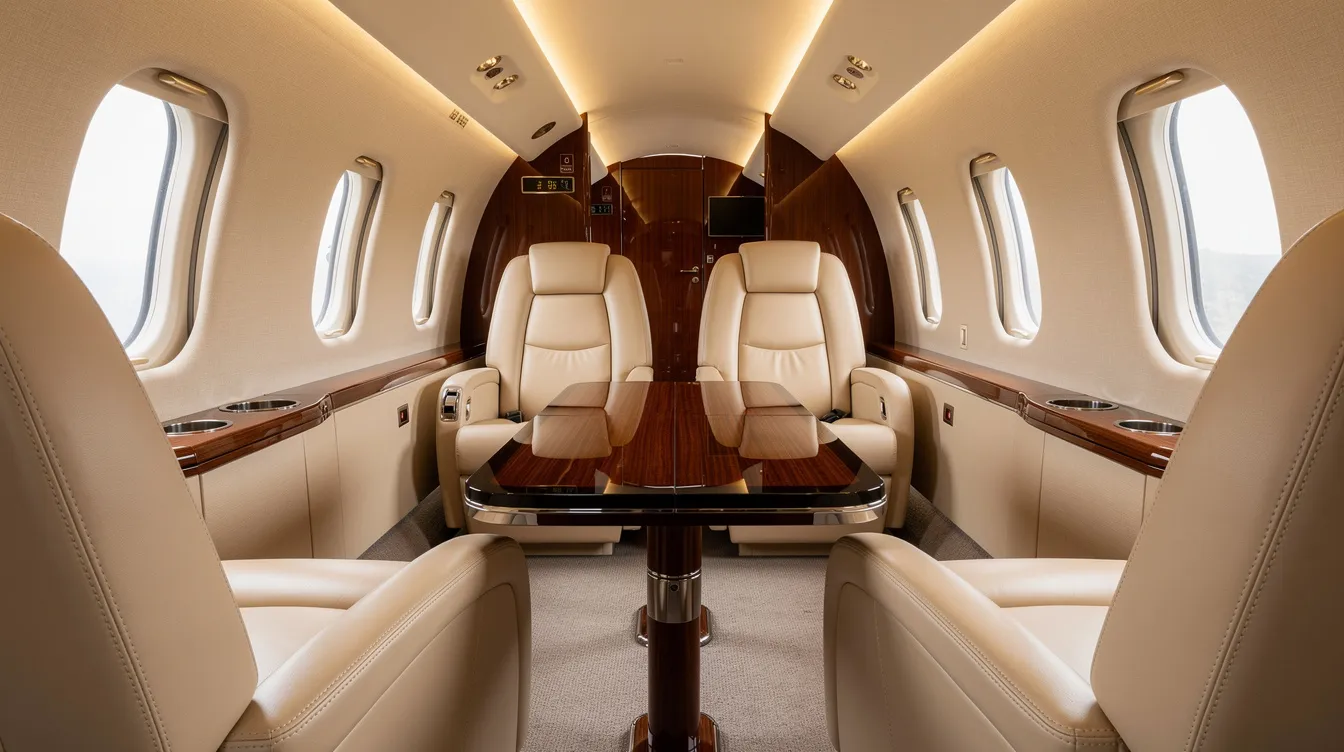
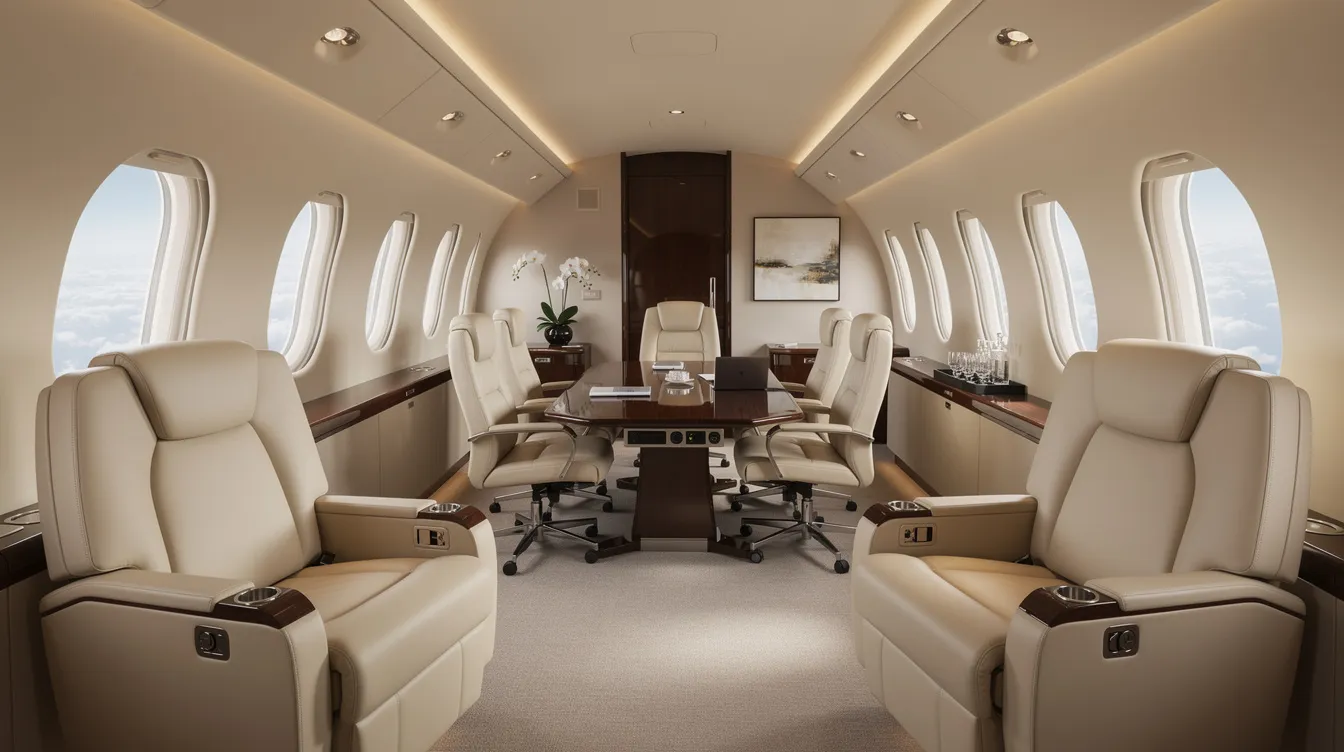
Cabin expectations are materially different from smaller jets. Many 12-seater private jets feature a spacious cabin height of around 6 feet, stand up cabins, a private lavatory, a full galley, lie-flat seats, Wi-Fi, and a baggage hold that is accessible during flight. A standard 12-passenger setup usually combines a four-seat club section, a four-seat conference/dining grouping, and a three- or four-place breathable divan.
A 12-seater jet is often configured into multi-functional “living zones” designed for business, dining, and relaxation. Many aircraft include highly configurable seating layouts, including club seating and divans, plus built-in high-speed Wi-Fi and HD monitors with surround sound systems. Advanced in-flight entertainment systems, including HD monitors and surround sound, are common on larger jets in this category.
For most travelers flying under 150–200 hours per year, private jet ownership rarely makes financial sense. Chartering a private jet is often more cost-effective for those flying less than 150–200 hours per year because it avoids maintenance, crew management, and other ongoing expenses.
Aircraft Categories and Common 12 Seater Models
Understanding aircraft categories is a key consideration because the category determines flight range, cabin comfort, operating cost, fuel burn, airport fees, and whether your preferred aircraft can complete the mission nonstop.
Super Midsize Jets
Super midsize jets, including the Cessna Citation Longitude, Gulfstream G280, and Bombardier Challenger 350/3500, typically offer 8–12 seat layouts and ranges of roughly 3,000–3,500 nautical miles. These aircraft work well for domestic flight legs such as New York–Los Angeles or Miami–Aspen when payload and weather conditions allow.
Heavy and Large-Cabin Jets
Heavy and large-cabin jets, including the Gulfstream G450, Dassault Falcon 900EX, Bombardier Challenger 605/650, Gulfstream GIV-SP, Bombardier Challenger 850, and Embraer Legacy 600, often seat 10–16 passengers and offer ranges from about 3,500 to 5,000+ nautical miles. Heavy jets are designed for long-haul, intercontinental journeys, typically accommodating between 10 and 16 passengers, and are known for spacious cabins and luxury features.
Many aircraft in the heavy jet category can be certified for up to 16–19 passengers but are frequently configured as 12 seater aircraft to maximize comfort, natural light, meeting space, baggage capacity, and rest areas. Larger aircraft also carry higher hourly charter rates, increased fuel consumption, higher landing fees, and greater maintenance reserves.
Performance and Range
Performance varies by aircraft type. 12-seater private jets typically operate with a range of 3,000 to 7,900 nautical miles. The performance characteristics of 12-seater jets include cruising speeds of approximately 500 to 560 mph and ranges between 3,000 to 6,000 nautical miles, depending on the aircraft type. Cruising speeds for 12-passenger jets are approximately Mach 0.80 to 0.90, or roughly 500 to 550+ mph.
Very light jets and a light jet can be effective for shorter trips with fewer passengers, but they do not provide the same range, cabin volume, or baggage capacity. Super mid size jets and long range jets sit between smaller jets and ultra long range jets, giving travelers more flexibility without always moving into the most expensive aircraft size.
How Much Does It Cost to Use a 12 Seater Private Jet?
There are three common ways to access a 12 seater private jet: on-demand private jet charters, leasing or long-term block use, and membership-based fixed hourly access like FLYT’s.
The cost to rent or charter a 12-seater jet typically ranges from approximately $5,500 to $22,000 per hour, depending on the aircraft type and additional services. In practical planning terms, hourly charter rates for 12 seater super midsize jets are often about $5,500–$9,000 per hour, while heavy jets are commonly about $8,500–$15,000+ per hour in North America and Europe.
Sample scenarios:
New York–Miami: about 2.5–3 hours, often $18,000–$35,000+ before taxes and additional fees.
Los Angeles–Aspen: about 2 hours, often $18,000–$30,000+, depending on aircraft size, weather, and runway constraints.
London–Dubai: about 7 hours on a larger aircraft, often $85,000–$140,000+ before international fees and handling.
A billable flight hour generally covers the time from wheels-up to wheels-down and may also include positioning flights. That matters because empty leg flights and repositioning can change the total cost quickly, especially on short itineraries.
Leasing a private jet allows you to access the aircraft without the long-term commitment of ownership, typically involving a set monthly fee for a defined period. Fractional ownership allows multiple owners to share the purchase price and operational costs of a jet, providing a set number of flight hours per year without the full financial commitment of ownership.
Membership models like FLYT can provide fixed hourly charter rates across aircraft categories, helping reduce exposure to ad hoc market spikes, aircraft scarcity, and unpredictable fuel surcharges.
Chartering a 12 Seater
On-demand charter is often the cleanest starting point for travelers flying fewer than 75–100 hours per year. It works well when routes change frequently, when the traveler is testing private aviation, or when there is no need to commit to a specified duration.
Charter pricing can vary widely. Minimum daily flight hours, often 2–3 hours per day, can make short flights disproportionately expensive. Short leg fees may also be applied due to the increased fuel consumption and maintenance demands caused by frequent takeoffs and landings.
Common additional fees include landing and handling, crew overnights, fuel surcharges, deicing costs, catering, ground transportation, and federal excise tax on US domestic flight legs. These costs complicate budgeting because charter prices move with seasonality, fuel prices, availability, and the selected aircraft type.
Owning a 12 Seater
Ownership is typically considered by corporations, family offices, or ultra-frequent flyers expecting 250–400+ hours per year on consistent routes. For those flying more than 200 hours per year, ownership of a private jet may be more cost-effective than chartering, as high fixed costs can be spread over more flight hours, reducing the per-trip cost.
The cost of a 12-seater private jet can range from $15 million to over $65 million, depending on whether the aircraft is new or pre-owned, its specific model, and customizations. The price of a 12-seater private jet can vary widely, typically ranging from $15 million to over $65 million, depending on whether the aircraft is new or pre-owned, its specific model, and unique customizations.
New 12-seater jets typically cost between $20 million and $70 million+, while pre-owned models can range from $1 million to $25 million, depending on age and condition. A private jet purchase for a new super midsize aircraft may start around $20 million–$25 million, while newer large-cabin or ultra-long-range jets can exceed $60 million.
Financing a private jet usually involves securing a specialized loan, with terms ranging from 5 to 20 years and down payments typically between 10% to 20% of the purchase price. Factors influencing the pricing of private jets include the aircraft’s age, model, maintenance history, onboard features, market demand, and brand reputation. The resale value of a private jet is significantly affected by brand reputation, model popularity, and maintenance history, with well-maintained jets from reputable manufacturers retaining higher values.
Annual operating costs for a 12-seater private jet can range from approximately $1.5 million to $4 million, including crew salaries, fuel, maintenance, insurance, and hangar fees. Annual operating costs for a 12-seater private jet can also range from approximately $2 million to $4 million, depending on aircraft size and usage.
Private jet ownership typically incurs fixed costs of about $1 million to $1.2 million annually, with variable costs running roughly $4,000+ per flight hour, driven by fuel consumption and maintenance reserves. Fixed costs, including crew salaries and maintenance, are estimated to be about $1 million to $1.2 million annually for a 12-seater private jet. Variable costs for operating a 12-seater private jet can run roughly $4,000 or more per flight hour, driven primarily by fuel consumption and maintenance reserves.
Crew salaries and training for a 12-seater private jet can exceed $800,000 annually, while maintenance and inspections can cost around $350,000 or more each year. Fuel costs for operating a 12-seater private jet typically range from $400,000 to $600,000 per year, subject to fluctuations in fuel prices.
The all-in cost per flight hour for ownership often lands around $7,000–$14,000+ when fixed and variable costs are combined. The fewer hours flown, the less efficient ownership becomes.
Membership Access With FLYT
FLYT is designed for travelers flying roughly 50–250 hours per year who want predictable access without owning the aircraft. Members access a curated floating fleet across aircraft categories, including light, midsize, super midsize, and large-cabin aircraft suitable for 12 seater missions.
The advantage is not simply access to private jets. It is access without the ownership burden. FLYT’s model combines fixed hourly rates, fleet interchangeability, global reach, and concierge-level support so each trip can be matched to the right aircraft type.
This matters because a heavy jet may be ideal for London–Dubai, while a super midsize aircraft may be more efficient for a regional business trip. Fleet interchange can offer significant savings by avoiding overuse of larger aircraft when smaller jets can complete the mission well.
FLYT’s asset-light, risk-pool model is structured to mitigate exposure to swings in fuel prices and charter market scarcity. For companies and family offices, that can create significant savings and better annual forecasting than ad hoc charter, while avoiding the capital lock-up of owning an aircraft.
Key Cost Drivers for 12 Seater Private Jet Trips
Base hourly rates are only part of the economics. Additional costs can add 10–25% or more to the final invoice, especially on international or multi-day itineraries.
The main cost levers are aircraft type, aircraft size, flight distance, routing, fuel prices, fuel surcharges, airport and handling fees, taxes, international fees, crew, catering, and ground transportation. Understanding these elements helps finance teams compare private jet charters, jet card programs, fractional ownership, and membership models on a like-for-like basis.
FLYT’s transparent pricing structure is designed to surface these line items clearly rather than burying them in broad miscellaneous charges.
Aircraft Type and Flight Distance
Larger jets burn more fuel per hour and have higher maintenance reserves, which pushes up hourly charter rates. A super midsize 12 seater may be efficient for New York–San Francisco, while the same group may need a larger aircraft for New York–London.
Flight distance affects fuel, crew duty time, potential overnights, and whether an additional crew member is required. Right-sizing the aircraft to the actual passenger count, baggage, and range requirement is one of the simplest ways to control total cost.
Membership models with fleet interchange, such as FLYT, make this operationally simple. The traveler is not locked into one aircraft when the mission profile changes.
Fuel Prices and Fuel Surcharges
Fuel is one of the largest variable costs in private aviation. Operators often apply fuel surcharges per flight hour when market prices exceed the assumptions built into standard rates.
Fuel surcharges on 12-seater super midsize and large jets can run roughly $600–$1,000+ per flight hour, depending on size, route, and regional fuel markets. Long sectors magnify the effect because heavy jets have materially higher fuel burn.
Fuel efficiency and optimized routing are not just environmental considerations. They are financial levers for frequent flyers.
Taxes, Federal Excise Tax, and International Fees
Taxes are often overlooked when travelers compare headline rates. In the United States, the federal excise tax of 7.5% applies to domestic charter transportation of persons by air and is calculated on the taxable portion of the fare.
International fees can include overflight permits, international handling charges, and local passenger duties, with typical ranges from a few hundred dollars up to $5,000+ per country, depending on route. These fees vary widely by region and can significantly affect the total cost of international private jet travel.
A professional management or membership service, like FLYT, can help navigate and often consolidate these charges for a smoother experience.
Airport and Handling Fees
Landing fees depend on the airport's size and the aircraft's weight, typically ranging from $150 to $500 or more for 12-seater jets. Major international airports and slot-controlled fields can cost more.
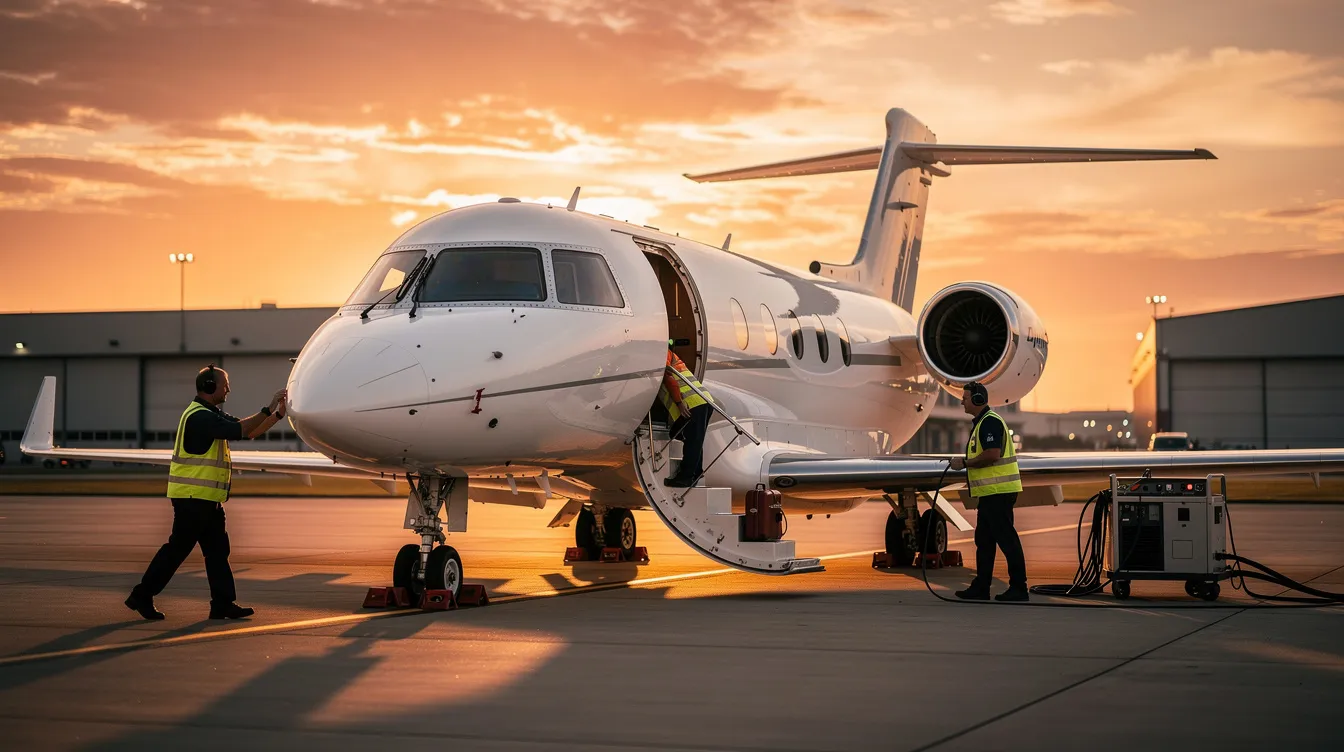
Handling fees are charged by fixed-base operators for parking, ground support, passenger handling, ramp services, and coordination. Hangar fees are an ongoing expense when an aircraft is based at a particular airport, with costs influenced by climate and facility quality.
Short leg fees may apply on very short flights to offset increased fuel consumption and maintenance impacts from frequent takeoffs and landings.
Crew and Ground Services
Crew costs include salaries, training, overnight accommodations, transport, and per diems. These expenses increase on longer or multi-leg flights, particularly when crew rest requirements are triggered.
Ground transportation, catering, gourmet meals, and concierge services are additional services that improve the travel day but raise the trip price. These services are customizable, allowing travelers to balance experience and budget.
Frequently Asked Questions About 12 Seater Private Jets
1. What Is the Typical Range of a 12 Seater Private Jet?
12 seater jets generally offer ranges between 3,000 and 7,900 nautical miles, depending on the model and category, enabling nonstop coast-to-coast or transcontinental flights.
2. How Do Private Jet Ownership Costs Compare to Chartering?
Ownership involves high fixed costs such as crew salaries, maintenance, hangar fees, insurance, and aircraft management.
All-in costs often range between $7,000 and $14,000 per flight hour.
Chartering avoids these fixed costs but usually has higher per-hour rates and variable pricing.
3. What Are the Advantages of a Membership Model Like FLYT?
4. Are There Additional Taxes on US Domestic Private Jet Flights?
Yes. A federal excise tax of 7.5% applies to all US domestic flight legs on charters, which can add significantly to the cost of flying within the United States.
5. Can I Customize the Cabin Layout on a 12 Seater Jet?
Many 12 seater jets offer configurable seating arrangements, including:
Club seating
Conference tables
Divans
This allows customization for business meetings, dining, or relaxation.
6. What Are Some Common 12 Seater Private Jet Models?
Popular 12 seater jets include:
These aircraft are known for their balance of range, comfort, and operational efficiency, making them ideal for both domestic and international travel.
7. How Flexible Is the Seating and Cabin Configuration on a 12 Seater Jet?
12 seater private jets often feature highly configurable seating layouts. Common configurations include:
This flexibility allows passengers to tailor the cabin for meetings, dining, or relaxation, enhancing the in-flight experience.
8. What In-Flight Amenities Can I Expect on a 12 Seater Private Jet?
These jets typically come equipped with:
Built-in high-speed Wi-Fi
HD monitors with surround sound systems
Full galleys
Enclosed lavatories
Lie-flat seats
Ample baggage space accessible during flight
Such amenities support productivity and comfort throughout the journey.
9. How Do Fuel Prices Impact the Cost of Flying a 12 Seater Private Jet?
Fuel is one of the largest variable costs in private aviation.
Fluctuations in fuel prices can lead to fuel surcharges ranging from $600 to $1,000 or more per flight hour for 12 seater jets.
Efficient routing and fleet interchange can help mitigate these costs.
10. When Does Owning a 12 Seater Private Jet Become More Cost-Effective Than Chartering?
Ownership typically becomes more financially sensible for travelers flying more than 200 hours per year. At this threshold, spreading fixed costs like crew and maintenance over more flight hours lowers the per-hour cost compared to chartering.
Conclusion
A 12 seater private jet offers a compelling balance of space, range, and premium amenities tailored to the needs of executives, families, and investors seeking efficient, flexible travel solutions. Understanding the nuances of aircraft categories, cost structures, and access models is essential to making informed decisions that align with your operational and financial priorities. Whether you choose to charter, own, or access through a membership model like FLYT, the key is selecting a solution that delivers predictable costs, operational efficiency, and the freedom to travel on your terms without the burdens of ownership.
Explore how modern private aviation can transform your travel experience with smarter, more flexible access to 12 seater jets.